Cairo's Duplicate Image Replacement Efforts: A Global Comparison
The city's approach to duplicate image replacement is being put to the test, with varying degrees of success compared to other major metropolitan areas.
The city's approach to duplicate image replacement is being put to the test, with varying degrees of success compared to other major metropolitan areas.
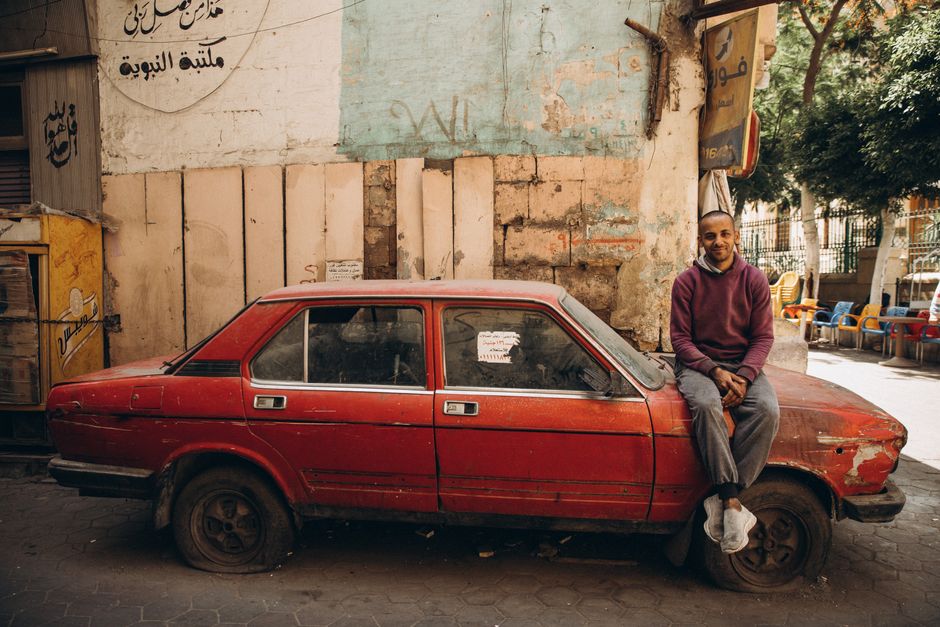
Cairo is currently dealing with a significant issue of duplicate image replacement, with many businesses and organizations in the city struggling to manage and maintain their visual identities.
This issue matters now because of the growing importance of digital presence for businesses and organizations in Cairo. With the rise of social media and online marketing, having a consistent and recognizable visual brand is crucial for attracting and retaining customers. Furthermore, the Egyptian government's efforts to promote tourism and investment in the city mean that having a strong and cohesive visual identity is essential for showcasing Cairo's unique character and attractions to the world.
Locally, the issue of duplicate image replacement is being addressed through initiatives such as the Cairo Downtown Rehabilitation Project, which aims to revitalize and rebrand the city's downtown area, including famous streets like Talaat Harb and Abdel Aziz. Organizations like the Egyptian Chamber of Commerce and the Cairo Governorate are also working to promote best practices in visual branding and identity management among businesses and organizations in the city. For example, the American University in Cairo's School of Business is offering training and consulting services to help small and medium-sized enterprises develop and implement effective visual branding strategies.
According to data from the Egyptian Ministry of Communications and Information Technology, the number of businesses and organizations in Cairo with a strong online presence has increased by 25% over the past year, with the average cost of developing and implementing a visual branding strategy ranging from 50,000 to 200,000 Egyptian pounds. Additionally, a recent survey by the market research firm, Nielsen, found that 70% of consumers in Cairo are more likely to engage with businesses and organizations that have a consistent and recognizable visual brand. As of June 2026, the Cairo Governorate has reported a 15% increase in tourism revenue, which can be attributed in part to the city's efforts to improve its visual identity and online presence.
In comparison to other major cities, Cairo's approach to duplicate image replacement is unique in its focus on community-led initiatives and public-private partnerships. For example, the city of Dubai has implemented a comprehensive visual branding strategy that includes the use of standardized fonts, colors, and logos across all government agencies and public institutions. Similarly, the city of Istanbul has established a dedicated office for managing and promoting its visual identity, which includes the development of guidelines and standards for businesses and organizations to follow.
As Cairo continues to navigate the challenges of duplicate image replacement, it is likely that the city will need to adapt and evolve its approach to keep pace with changing technologies and consumer expectations. One potential next step could be the development of a city-wide visual branding strategy that incorporates input and feedback from businesses, organizations, and community members. Additionally, the city may need to invest in education and training programs to help businesses and organizations develop the skills and expertise needed to effectively manage and maintain their visual identities. By taking a proactive and collaborative approach to duplicate image replacement, Cairo can ensure that its visual identity remains strong and recognizable, both locally and globally.
How does this story make you feel?
Spread the word
About this article
Published by The Daily Cairo
Daily brief
Free, in your inbox before 7am. Weekdays.
More in News
