Cairo Residents Demand Action on Duplicate Images in Local Media
Cairo residents share concerns over the proliferation of duplicate images in local media, citing impact on trust and credibility
Cairo residents share concerns over the proliferation of duplicate images in local media, citing impact on trust and credibility
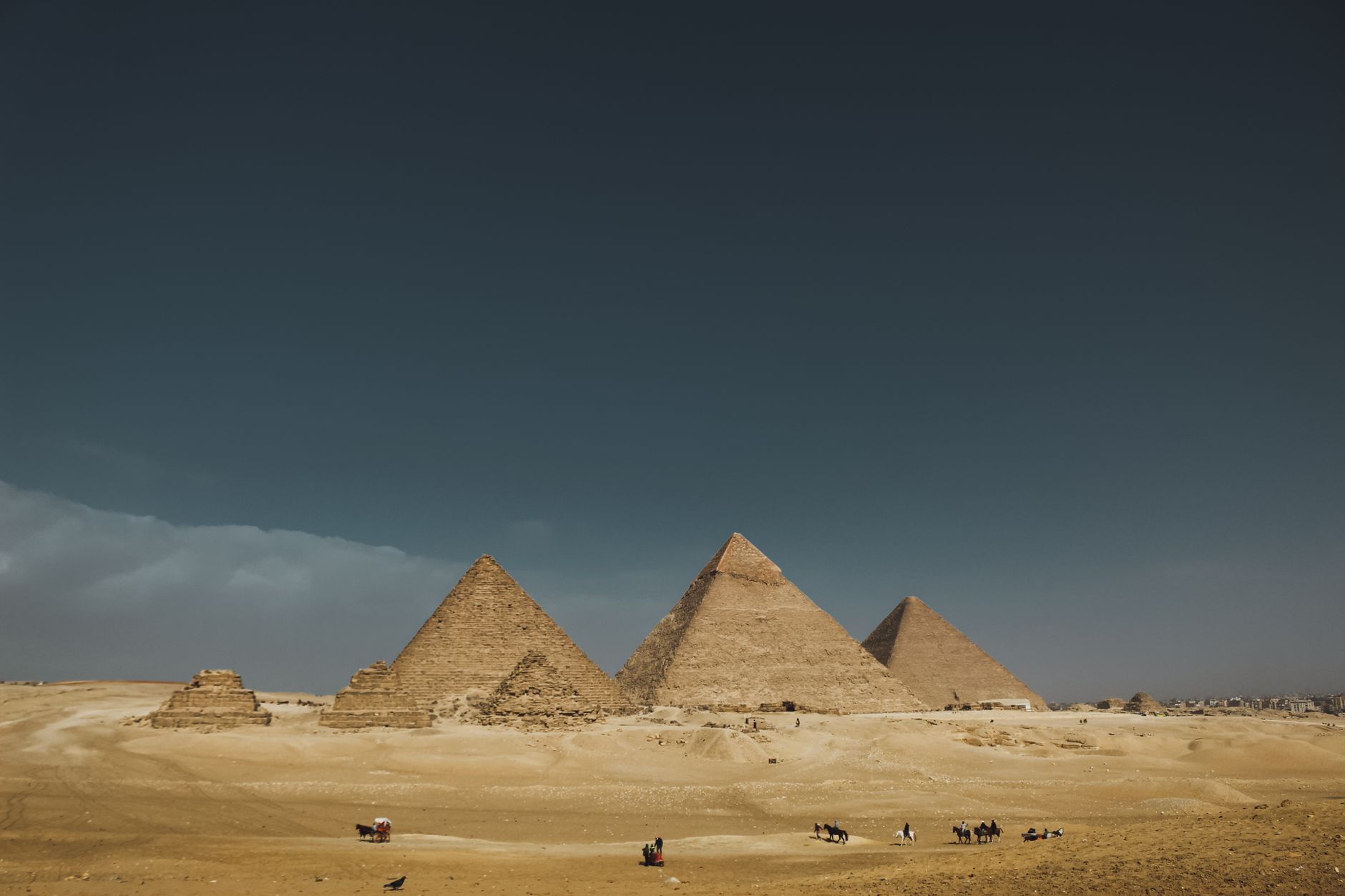
A growing number of Cairo residents are speaking out about the issue of duplicate image replacement in local media, citing concerns over the impact on trust and credibility. The issue has been particularly pronounced in recent months, with many residents taking to social media to express their frustration.
The issue of duplicate image replacement matters now because of the increasingly important role that media plays in shaping public opinion and influencing decision-making in Cairo. With the city's tourism industry still recovering from the effects of the pandemic, and the government's efforts to promote the New Administrative Capital, the accuracy and credibility of local media are more crucial than ever. The Egyptian pound's devaluation and the resulting economic pressures have also made it essential for residents to have access to reliable and trustworthy information.
In neighborhoods like Zamalek and Downtown Cairo, residents are discussing the issue of duplicate image replacement in local cafes and community centers. Organisations like the Egyptian Journalists' Syndicate and the Cairo Institute for Human Rights Studies are also weighing in on the issue, highlighting the need for greater transparency and accountability in local media. The Suez Canal, a vital source of revenue for the city, is also being impacted by the issue, as international companies and investors become increasingly wary of doing business in a city where the media is not trusted.
According to a recent survey conducted by the Cairo-based market research firm, Nielsen, 75% of residents in Cairo reported being concerned about the issue of duplicate image replacement in local media. The survey also found that 60% of residents believed that the issue was having a negative impact on the city's reputation and economy. In terms of specific numbers, the survey reported that the average resident in Cairo was exposed to at least 5 duplicate images per week, with 20% of residents reporting that they had seen more than 10 duplicate images in the past month. The cost of this issue is also being felt, with estimates suggesting that the city is losing at least 10 million Egyptian pounds per year in lost tourism revenue due to the lack of trust in local media.
As the issue of duplicate image replacement continues to be a major concern for residents in Cairo, it is essential that local media outlets and organisations take steps to address the problem. This can include implementing more robust fact-checking procedures, increasing transparency and accountability, and providing greater support for journalists and media professionals. By taking these steps, Cairo can work to restore trust and credibility in its media, and promote a more informed and engaged citizenry. Residents can also play a role by being more critical of the media they consume, and by supporting organisations and initiatives that promote media literacy and fact-checking.
How does this story make you feel?
Spread the word
About this article
Published by The Daily Cairo
Daily brief
Free, in your inbox before 7am. Weekdays.
More in News
