Cairo's Digital Duplicate Image Replacement: What Happens Next and the Key Decisions Ahead
As the city's digital infrastructure expands, duplicate image replacement becomes a critical issue for authorities and residents alike.
As the city's digital infrastructure expands, duplicate image replacement becomes a critical issue for authorities and residents alike.
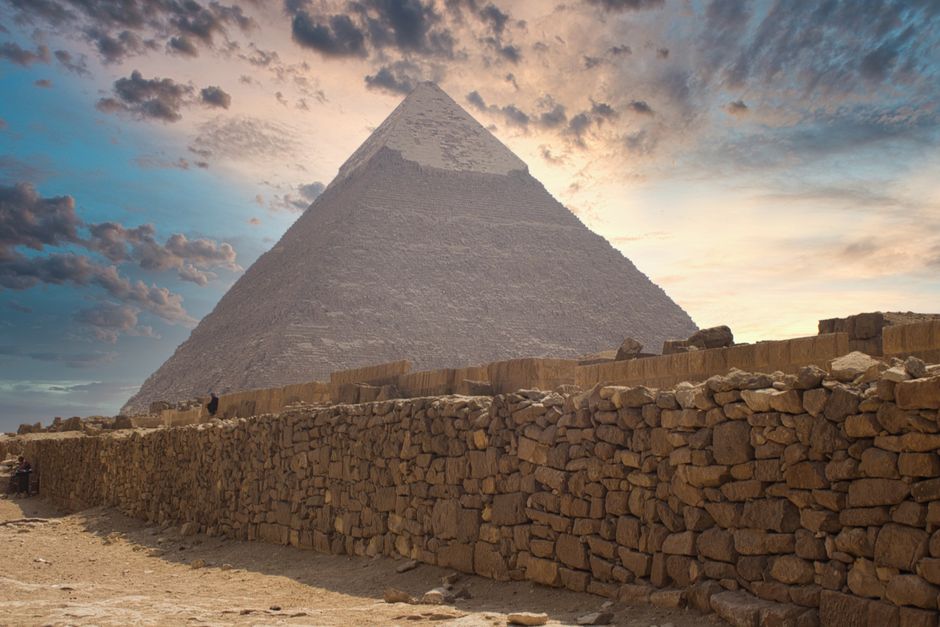
Cairo's duplicate image replacement efforts have reached a critical juncture, with the city's authorities facing key decisions on how to manage and regulate the process. The issue has become increasingly pressing as the city's digital infrastructure continues to grow, with more images and data being generated every day.
The duplicate image replacement issue matters now because of the city's rapid digital transformation. Cairo has been investing heavily in its digital infrastructure, with projects such as the New Administrative Capital and the expansion of the Suez Canal. The city's tourism industry is also recovering, with more visitors than ever before capturing and sharing images of the city's landmarks, such as the Pyramids of Giza and the Egyptian Museum. However, this increased digital activity has also led to a surge in duplicate images, which can cause problems for data storage and management.
In local terms, the duplicate image replacement issue is being felt in areas such as Downtown Cairo and Zamalek, where businesses and residents are generating large amounts of digital content. Organisations such as the Cairo University and the American University in Cairo are also affected, as they struggle to manage their digital assets and prevent duplicate images from clogging up their systems. The issue is also relevant to programs such as the Cairo Metro expansion and the development of the city's smart traffic management system, which rely on efficient data management to function effectively.
According to data from the Egyptian Ministry of Communications and Information Technology, the number of digital images generated in Cairo has increased by 25% in the past year alone, with an estimated 10 million images being created every day. The cost of storing and managing these images is also significant, with estimates suggesting that the city's authorities spend around EGP 100 million (approximately USD 3.3 million) per year on data storage and management. As of June 2026, the city's digital infrastructure has reached a critical point, with 75% of businesses and organisations reporting problems with duplicate images.
In terms of what happens next, the city's authorities will need to make some key decisions on how to manage and regulate the duplicate image replacement process. This could involve investing in new technologies and infrastructure, such as artificial intelligence and machine learning algorithms, to help identify and remove duplicate images. The authorities may also need to develop new policies and guidelines for data management and storage, to ensure that the city's digital assets are being used efficiently and effectively. For residents and businesses, this could mean taking steps to manage their own digital content, such as using cloud storage services and implementing data management protocols.
How does this story make you feel?
Spread the word
About this article
Published by The Daily Cairo
Daily brief
Free, in your inbox before 7am. Weekdays.
More in News
