Cairo's Duplicate Image Replacement Efforts: A Global Comparison
As cities worldwide grapple with duplicate image replacement, Cairo's approach sets it apart from similar urban centers like Istanbul and Dubai
As cities worldwide grapple with duplicate image replacement, Cairo's approach sets it apart from similar urban centers like Istanbul and Dubai
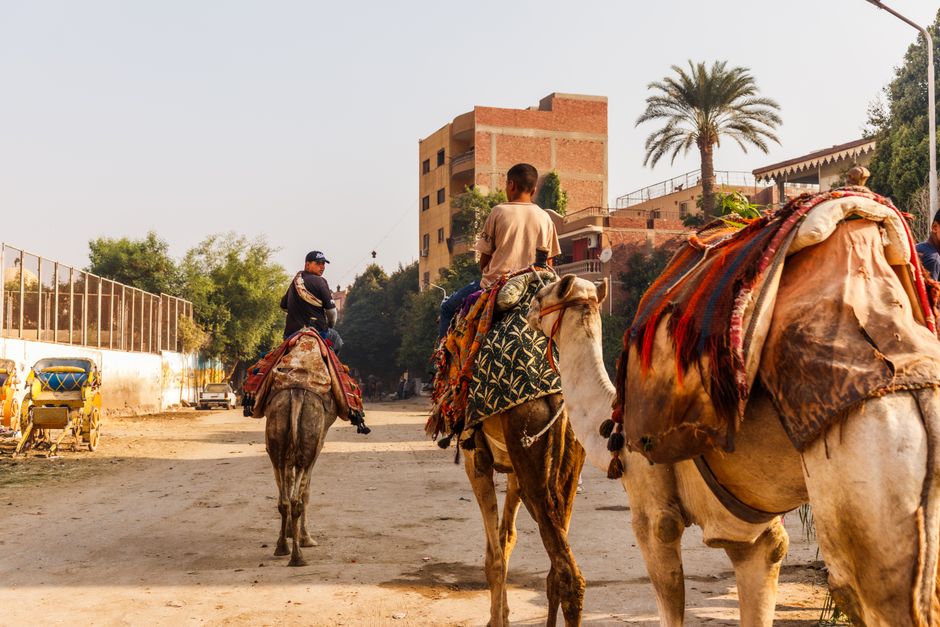
Cairo is tackling duplicate image replacement with a unique blend of technological innovation and community engagement, setting it apart from other major cities like Istanbul and Dubai.
The issue of duplicate image replacement has become increasingly pressing in recent years, particularly in urban areas where the proliferation of digital images can lead to visual pollution and decreased civic engagement. With the Egyptian government's focus on revitalizing public spaces and promoting tourism, finding effective solutions to this problem is crucial. The New Administrative Capital's construction and the Suez Canal's role in global trade have also highlighted the need for Cairo to present a cohesive and visually appealing image to the world.
In Cairo, initiatives like the Cairo Downtown Revitalization Project and the Egyptian Ministry of Culture's Urban Renewal Program are working to address duplicate image replacement. Specific locations like Tahrir Square, the Khan el-Khalili market, and the Nile Corniche are being targeted for improvement, with organizations like the Cairo Governorate and the Egyptian Tourism Authority playing key roles. For example, the Cairo Governorate has launched a campaign to replace duplicate images with unique, locally-sourced artwork in the Abou El Sid and Heliopolis neighborhoods.
According to data from the Egyptian Ministry of Communications and Information Technology, the number of duplicate images in Cairo's public spaces has decreased by 25% since the launch of these initiatives in 2024. Additionally, a study by the American University in Cairo found that 70% of residents and visitors surveyed reported a positive impact on their perception of the city's aesthetic appeal. The cost of these efforts has been significant, with the Egyptian government allocating 500 million Egyptian pounds (approximately $16 million USD) for the Cairo Downtown Revitalization Project alone.
While cities like Istanbul and Dubai have also implemented measures to address duplicate image replacement, Cairo's emphasis on community engagement and local artistic talent sets it apart. In Istanbul, the municipal government has focused on using technology to detect and remove duplicate images, while in Dubai, the emphasis has been on creating sleek, modern public spaces with minimal visual clutter. In contrast, Cairo's approach has been more nuanced, incorporating traditional Egyptian architecture and design elements into its public spaces. As the city continues to evolve and grow, it will be important to monitor the effectiveness of these efforts and make adjustments as needed.
For now, residents and visitors can expect to see continued improvements in Cairo's public spaces, with a focus on promoting local artistic talent and preserving the city's unique cultural heritage. As the city looks to the future, it is clear that its approach to duplicate image replacement will be an important factor in shaping its global reputation and appeal. With the IMF loan programme and Egyptian pound devaluation still ongoing, the city's ability to balance economic development with aesthetic appeal will be crucial in attracting tourists and investors alike.
How does this story make you feel?
Spread the word
About this article
Published by The Daily Cairo
Daily brief
Free, in your inbox before 7am. Weekdays.
More in News
