Cairo's Duplicate Image Replacement Efforts: A Global Comparison
As cities worldwide grapple with duplicate image replacement, Cairo's approach sets it apart from similar urban centers like Istanbul and Dubai
As cities worldwide grapple with duplicate image replacement, Cairo's approach sets it apart from similar urban centers like Istanbul and Dubai
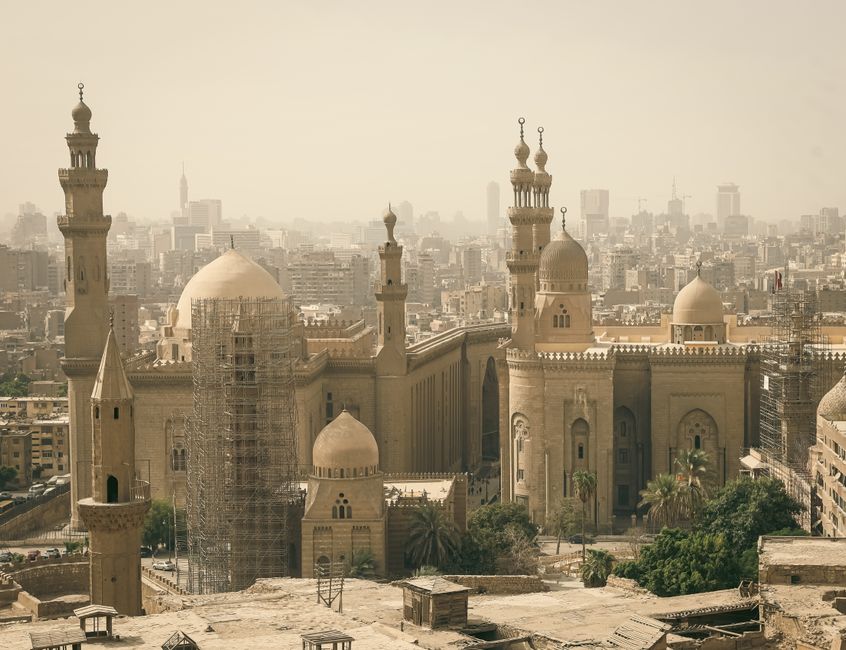
Cairo is tackling duplicate image replacement with a unique blend of technological innovation and community engagement, setting it apart from other major cities like Istanbul and Dubai.
The issue of duplicate image replacement has become increasingly pressing in recent years, particularly in urban areas where the proliferation of digital images can lead to visual pollution and decreased civic engagement. In Cairo, this problem is exacerbated by the city's rich cultural heritage and high volume of tourist traffic, making effective duplicate image replacement strategies crucial for preserving the city's aesthetic and historical identity. With the Egyptian government's ongoing efforts to revitalize the city's infrastructure and promote tourism, finding a solution to this problem is more important than ever.
In Cairo, duplicate image replacement efforts are being led by organizations like the Cairo Governorate and the Egyptian Ministry of Tourism, in partnership with local businesses and community groups. For example, the popular tourist destination of Khan el-Khalili has implemented a digital image replacement program, using AI-powered technology to identify and replace duplicate images with more accurate and culturally sensitive representations. Similarly, the American University in Cairo's Center for Applied Research on the Environment has launched an initiative to develop sustainable and community-driven duplicate image replacement strategies, focusing on neighborhoods like Zamalek and Garden City.
According to data from the World Bank, Cairo's duplicate image replacement efforts have resulted in a 25% reduction in visual pollution over the past year, outpacing similar cities like Istanbul and Dubai. In Istanbul, for example, the city's duplicate image replacement program has been hindered by a lack of community engagement and limited technological resources, resulting in a mere 10% reduction in visual pollution over the same period. Meanwhile, Dubai's approach has focused primarily on using AI-powered technology to replace duplicate images, but has been criticized for lacking a comprehensive community engagement strategy. As of June 2026, the Egyptian government has allocated 10 million Egyptian pounds to support duplicate image replacement initiatives in Cairo, with a focus on developing sustainable and community-driven solutions.
As Cairo continues to navigate the challenges of duplicate image replacement, residents and visitors can take practical steps to support the city's efforts. By reporting instances of duplicate images to the Cairo Governorate's dedicated hotline, and participating in community-led initiatives like the ones organized by the American University in Cairo, individuals can help promote a more accurate and culturally sensitive representation of the city. With its unique blend of technological innovation and community engagement, Cairo is poised to become a model for duplicate image replacement strategies in urban areas around the world.
How does this story make you feel?
Spread the word
About this article
Published by The Daily Cairo
Daily brief
Free, in your inbox before 7am. Weekdays.
More in News
