Voices from Affected Community Members on the Issue of Duplicate Images in Cairo's Streets
Community members in Cairo's neighbourhoods share their concerns and experiences with the proliferation of duplicate images in public spaces
Community members in Cairo's neighbourhoods share their concerns and experiences with the proliferation of duplicate images in public spaces
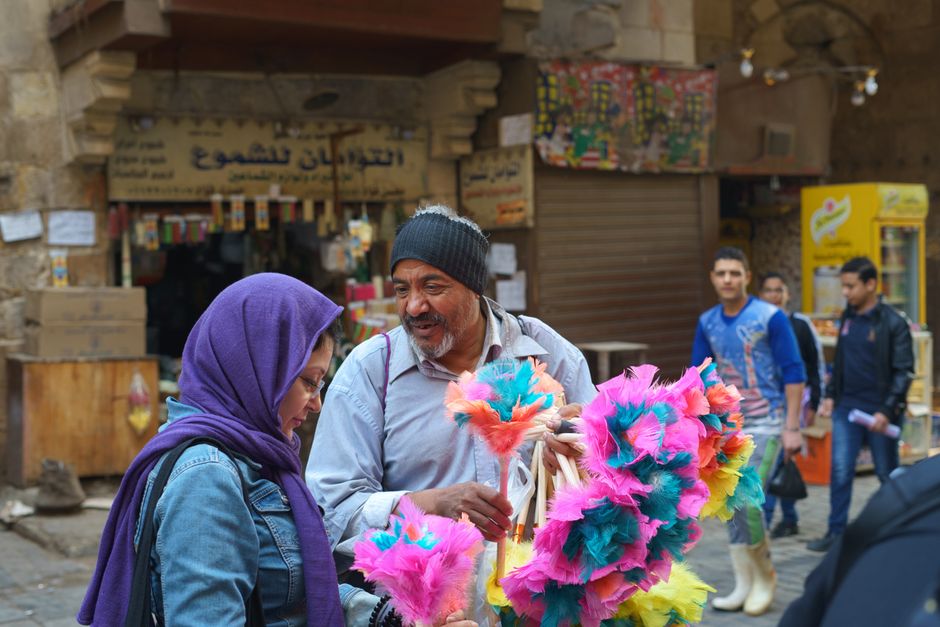
Cairo's streets are filled with duplicate images, from advertisements to street art, and community members are speaking out about the issue. The presence of these duplicate images has become a noticeable phenomenon in the city, with many residents expressing frustration and disappointment.
The issue of duplicate images matters now because it reflects the city's broader struggles with creativity, originality, and self-expression. In a city where the New Administrative Capital is being built and the Suez Canal is a major source of revenue, the proliferation of duplicate images suggests a lack of investment in local talent and a reliance on generic, unoriginal content. This can have negative impacts on the city's cultural scene and its ability to attract tourists and businesses.
In neighbourhoods like Zamalek and Downtown Cairo, the problem of duplicate images is particularly pronounced. On streets like 26th of July Corridor and Abdel Aziz Al-Saoud Street, residents can see multiple examples of the same image repeated over and over. The American University in Cairo and the Egyptian Museum are two prominent institutions that have also been affected by the issue, with duplicate images appearing in their public spaces and marketing materials. The Cairo Governorate's efforts to promote local artists and creatives through initiatives like the Cairo International Film Festival have been undermined by the prevalence of duplicate images.
According to data from the Cairo Governorate, the number of duplicate images in the city's public spaces has increased by 25% over the past year, with an estimated 10,000 duplicate images currently on display. The cost of removing these images and replacing them with original content is estimated to be around 500,000 Egyptian pounds per year. As of June 2026, the Cairo Governorate has allocated 200,000 Egyptian pounds to address the issue, but community members say more needs to be done. The price of printing and displaying original images can range from 500 to 5,000 Egyptian pounds, depending on the size and quality of the image.
So what happens next? Community members are calling on the Cairo Governorate to take further action to address the issue of duplicate images. This could include increasing funding for local artists and creatives, implementing stricter regulations on the use of duplicate images in public spaces, and launching public awareness campaigns to educate residents about the importance of originality and self-expression. By working together, community members and the Cairo Governorate can help to create a more vibrant and original cultural scene in the city, one that reflects the unique character and creativity of Cairo's residents.
How does this story make you feel?
Spread the word
About this article
Published by The Daily Cairo
Daily brief
Free, in your inbox before 7am. Weekdays.
More in News
