Cairo Officials and Experts Weigh In on Duplicate Image Replacement
Insights from key figures on the impact of duplicate image replacement on the city's digital landscape
Insights from key figures on the impact of duplicate image replacement on the city's digital landscape
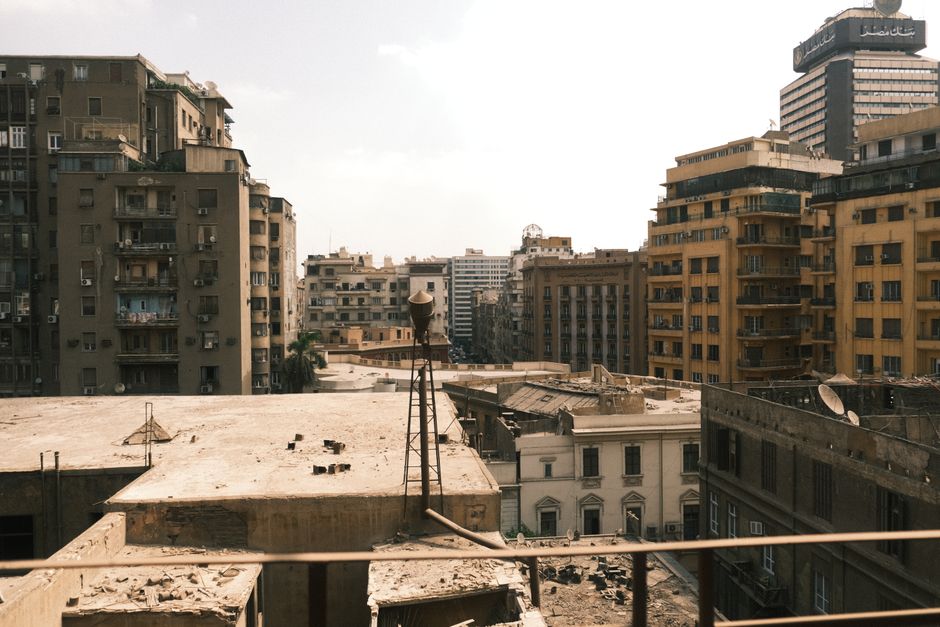
Cairo's digital community is abuzz with discussions on duplicate image replacement, a phenomenon where identical images are uploaded multiple times, consuming storage space and affecting website performance.
The issue matters now because Cairo is investing heavily in its digital infrastructure, with the New Administrative Capital's data centers and the Suez Canal's e-commerce platforms relying on efficient data management. Furthermore, the Egyptian government's efforts to promote digital literacy and online services, such as the Ministry of Communications and Information Technology's 'Digital Egypt' initiative, are hindered by the inefficiencies caused by duplicate image replacement.
In Cairo, the problem is particularly pronounced in areas with high internet usage, such as the downtown neighborhood of Garden City and the tech hub of Maadi. Organisations like the Egyptian Chamber of Information Technology and Telecommunications (CIT) and the Cairo-based startup accelerator, Flat6Labs, are working to address the issue. For instance, the CIT has partnered with the Ministry of Education to implement a digital asset management system in schools, reducing the storage space wasted on duplicate images.
According to a recent study by the Egyptian Ministry of Communications and Information Technology, the average website in Egypt has a storage space utilization rate of 60%, with 20% of this space being occupied by duplicate images. This translates to approximately 1.2 million gigabytes of wasted storage space, equivalent to the storage capacity of 240,000 average laptops. The study also found that the problem is more prevalent in the government sector, where the lack of standardised digital asset management practices results in an average of 5 duplicate images per webpage.
Experts warn that if left unaddressed, duplicate image replacement could lead to significant economic losses, particularly in the e-commerce sector, which relies heavily on fast and efficient website performance. For example, a study by the Suez Canal Authority found that a 1-second delay in webpage loading time can result in a 7% reduction in sales. With the current average webpage loading time in Egypt standing at 3.5 seconds, according to a report by the web performance monitoring company, Pingdom, the need for efficient data management practices is more pressing than ever.
As Cairo continues to develop its digital infrastructure, officials and experts are urging individuals and organisations to adopt best practices in digital asset management, such as using image compression tools and implementing standardised filing systems. By doing so, they can help mitigate the effects of duplicate image replacement and ensure that the city's digital landscape remains efficient and effective. The Egyptian government has set a target to reduce the storage space wasted on duplicate images by 30% by the end of 2027, and has allocated 10 million Egyptian pounds to support the implementation of digital asset management systems in government agencies and public institutions.
How does this story make you feel?
Spread the word
About this article
Published by The Daily Cairo
Daily brief
Free, in your inbox before 7am. Weekdays.
More in News
