lifestyle
Sustainable Living in Cairo: A Practical Guide for Residents Ready to Explore and Enjoy This
Simple, actionable steps for Cairenes to adopt greener habits and enhance their quality of life today.
How we reported this
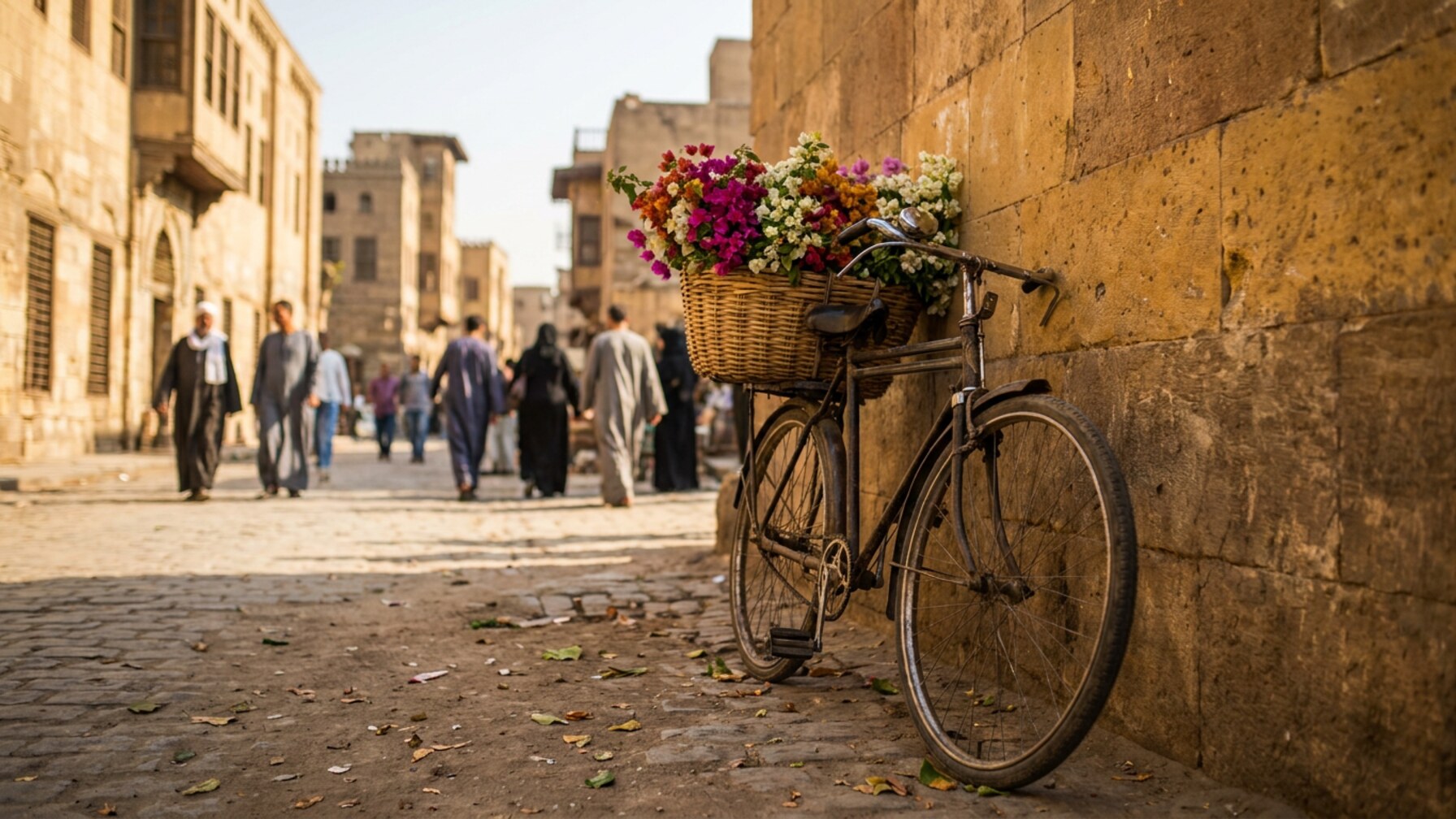
Cairo's residents eager to embrace sustainable living now have numerous practical options tailored to the city's unique environment. From community composting in Maadi to solar energy workshops at the Zamalek Green Hub, locals can adopt green habits that suit their urban lifestyle.
Why Sustainable Living Matters in Cairo Today
With air pollution levels peaking frequently-recent measurements show PM2.5 averaging 115 micrograms per cubic meter in central districts-urban environmental challenges have become more urgent. Water scarcity also pressures daily life; the city uses 3.5 billion cubic meters of water annually while facing ongoing Nile flow fluctuations. These realities make sustainable living not just a personal choice but a community necessity.
Government and NGOs have increasingly promoted eco-conscious programs since the 2025 launch of Cairo’s Green Capitals Initiative, setting a target to reduce urban carbon emissions by 25% by 2030. This has raised public interest in practical, locally-fit solutions that residents can apply without significant lifestyle upheaval.
Ground-Level Green Options for Cairenes
In Maadi, the Green Steps Collective runs weekly composting sessions at the Gezira Park Farmer's Market, where residents bring organic kitchen waste for processing into fertilizer. This program, supported by the Cairo Environmental Society, has diverted over 10 tons of waste since its December 2025 inception.
Meanwhile, in Zamalek, the Zamalek Green Hub offers workshops focused on urban solar energy application, with kits priced at around 1,200 EGP for basic home setups. The hub also functions as a community center for sharing resources such as rainwater harvesting guides adapted for Egyptian rooftops.
Residents on Streets like Kasr El Nil and in Downtown neighborhoods are advised to participate in Cairo’s public bike-sharing scheme, launched in March 2026, which currently operates 450 bikes across 30 docking stations. Monthly subscriptions cost roughly 150 EGP and help reduce traffic congestion and pollution.
Data Supports Growing Green Momentum
According to the Ministry of Environment’s 2026 Urban Sustainability Report, 38% of Cairenes have tried to reduce plastic use in the past year, with local shops such as Kheir Boutique on Mohamed Mahmoud Street actively promoting reusable bags. Additionally, energy costs have nudged many households to explore solar options-the average electricity bill cut by 15% after installing solar panels, as per statistics from the Cairo Solar Energy Association.
Furthermore, the Cairo Waste Management Authority has documented a 12% increase in residential recycling participation since January 2026, highlighting an encouraging shift in citizen behavior towards responsible waste disposal in districts like Heliopolis and Nasr City.
Taking the Next Step: Tips for Residents
For Cairenes ready to dive into sustainable living, starting small is effective. Using reusable shopping bags, separating waste at home, and exploring solar options through community programs lower both your environmental footprint and energy costs.
Signing up for workshops at the Zamalek Green Hub or joining Maadi’s composting efforts can build practical skills and solidify community connections. Engaging with the public bike-sharing system not only cuts emissions but introduces a healthier commuting habit.
Cairo's evolving sustainability landscape offers plenty of resources and incentives. Staying informed through the Ministry of Environment’s local bulletins or municipal events at City Hall can keep residents aware of new opportunities to green their lifestyles without sacrificing convenience or cultural vibrancy.