Dining in the Green Canopy: How Maadi’s Restaurant Scene is Evolving
The leafy district is shifting from traditional colonial-era villas to a modern fusion of global culinary trends.
The leafy district is shifting from traditional colonial-era villas to a modern fusion of global culinary trends.
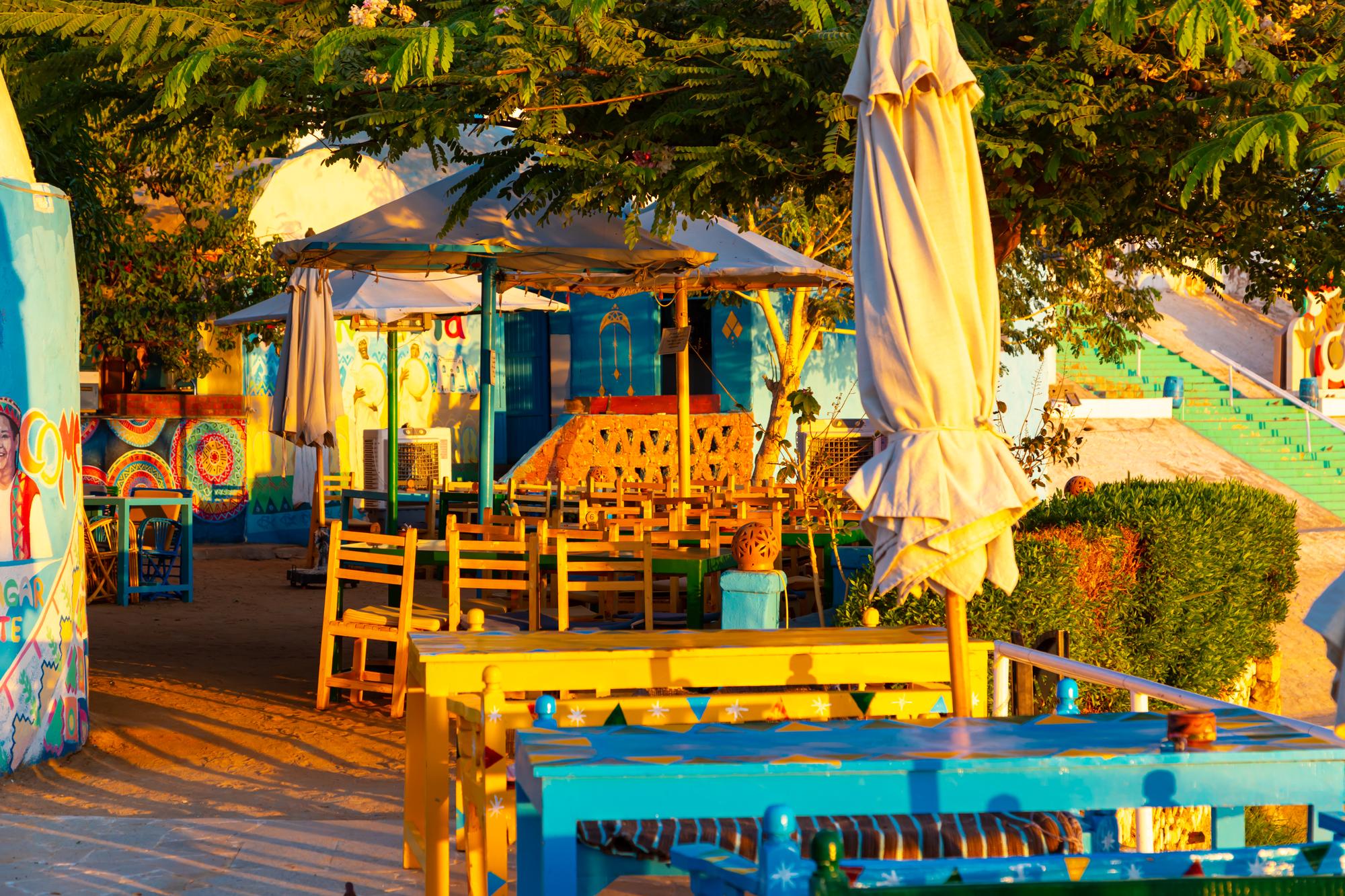
Maadi’s dining landscape is undergoing a structural transformation, pivoting away from the quiet, residential-focused eateries of the past toward a dense collection of specialized, international-standard bistros. While long-time fixtures continue to anchor the neighborhood, the recent influx of experimental kitchens has fundamentally altered the character of Street 9 and its surrounding arteries.
This evolution reflects a broader shift in Cairo’s lifestyle preferences, where residents now demand higher levels of culinary variety within walking distance of their homes. Historic villas that once housed single families are increasingly being repurposed into boutique dining spaces, preserving the architectural integrity of the district while modernizing its commercial utility. Establishments such as Butcher’s Burger and the long-standing Villa 55 represent this transition, offering menus that cater to an increasingly cosmopolitan demographic that splits its time between the capital and global hubs like London or Dubai.
The integration of contemporary dining into Maadi’s green, low-rise infrastructure marks a departure from the high-density developments currently dominating New Cairo. Local planning efforts by the Cairo Governorate have prioritized the preservation of the neighborhood's low-rise zoning laws, which inadvertently protects the intimate, outdoor dining experience that distinguishes Maadi from the city's newer districts. As a result, operators are investing in courtyard seating and garden terraces rather than the enclosed, climate-controlled malls found elsewhere.
Economic indicators suggest that this growth is driven by a steady demand for high-end hospitality experiences despite broader inflationary pressures within Egypt. According to the most recent Central Agency for Public Mobilization and Statistics (CAPMAS) reports on consumer price indices, the hospitality sector continues to track ahead of general retail growth. While menu costs have climbed across the city, Maadi’s restaurants have shifted toward tiered pricing models to maintain foot traffic, offering mid-range cafe options alongside upscale fine-dining menus.
For residents and visitors alike, the neighborhood remains a primary destination for those seeking an alternative to the intense bustle of Downtown or the suburban sprawl of the satellite cities. Future development is expected to favor adaptive reuse projects over new construction, keeping the district’s street-level aesthetic intact. Those planning to explore the area should focus on the intersections of Road 9 and Road 213, where the density of new culinary concepts is at its highest, particularly during the cooler evening hours when the district’s canopy coverage provides a significant natural cooling effect.
How does this story make you feel?
Spread the word
About this article
Published by The Daily Cairo
Daily brief
Free, in your inbox before 7am. Weekdays.
More in lifestyle