culture
Tracing Cairo’s Cultural Odyssey: The History and Evolution of Its Museums and Galleries
From colonial institutions to contemporary art hubs, Cairo's museum and gallery scene reflects the city's dynamic cultural journey.
How we reported this
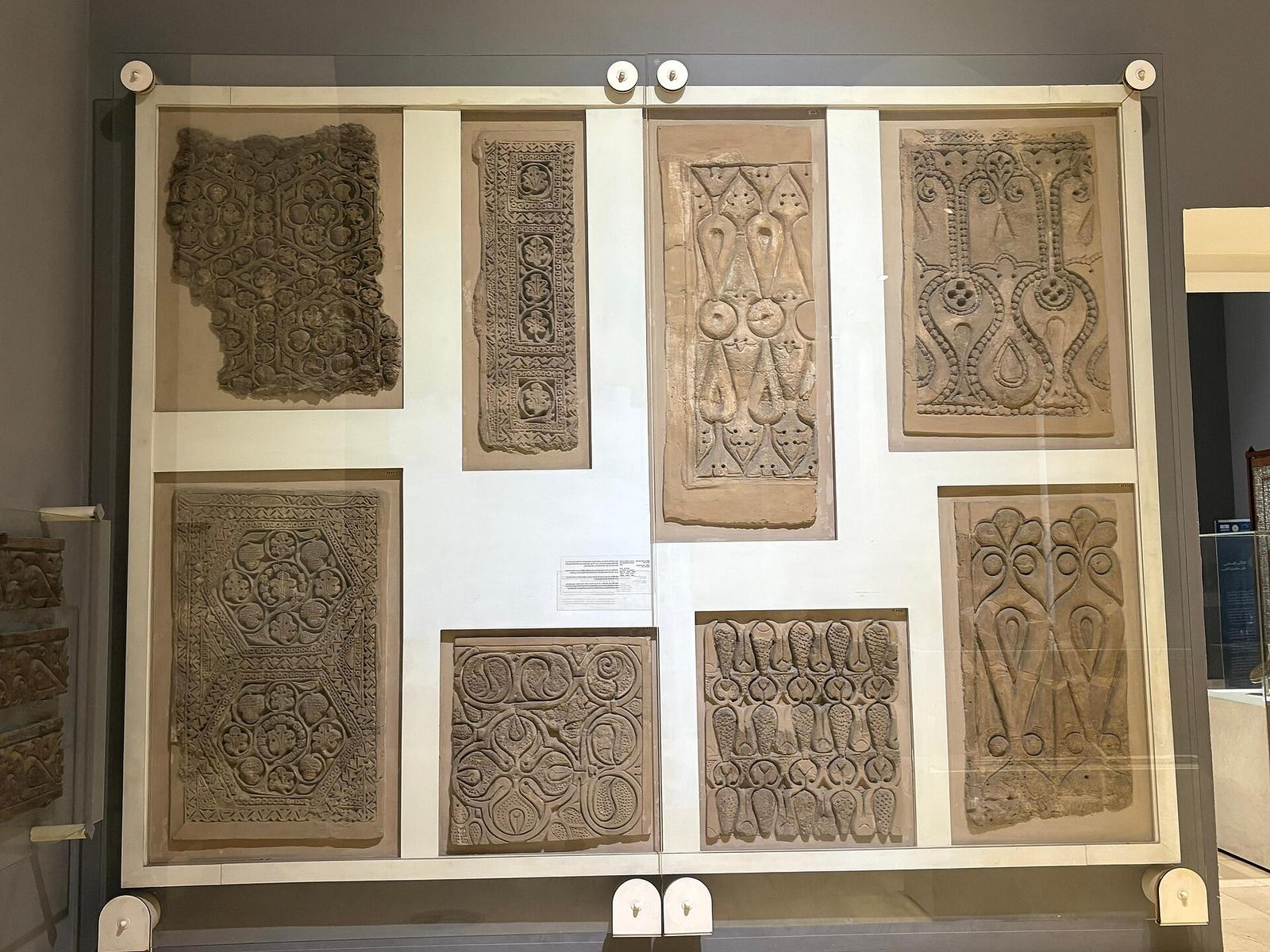
Cairo's museums and galleries have evolved dramatically over the past century, developing from relics of imperial legacy into vibrant spaces showcasing Egyptian creativity and history. A new exhibition at the Museum of Islamic Art on Al-Azhar Street commemorates this transformation with artifacts, photographs, and archives spanning more than 100 years.
The timing is significant as Cairo's cultural sector seeks renewal amid increased domestic tourism and an expanding art market. After years of political and economic instability, renewed investments and programming efforts have stimulated interest in Egypt's rich cultural heritage and contemporary art scene. This shift is underscored by an overall 28% increase in museum attendance recorded citywide in the last five years, according to the Ministry of Culture’s 2025 report.
Legacy and Renewal in Cultural Institutions
The roots of Cairo's museum culture trace back to the early 20th century when the Egyptian Museum on Tahrir Square was established in 1902. Originally a colonial-era institution, it houses one of the world’s most extensive collections of ancient Egyptian antiquities. Over time, this museum became a cornerstone for national identity and pride, especially after the 1952 revolution.
More recently, the establishment of contemporary galleries, such as Townhouse Gallery in Downtown Cairo and Darb 1718 in the Fustat district, has charted a new course. Founded in 1998 and 2008 respectively, these spaces emphasize experimental and contemporary art, providing platforms for emerging Egyptian and Arab artists. They reflect the city’s vibrant, decentered creative hubs away from traditional institutions, encouraging dialogue between local history and global art trends.
Numbers and Nuances: Growth of Cairo’s Museum Scene
Statistics reveal that Cairo now has over 50 registered museums and galleries, up from fewer than 30 in 1990. The Egyptian Ministry of Culture's latest figures indicate that, in 2025 alone, museums like the Museum of Modern Egyptian Art on Gezira Island and the Manial Palace Museum attracted over 250,000 visitors combined. Admission fees have remained modest, ranging between 30 and 50 Egyptian pounds (approximately $1.50 to $2.60), keeping access affordable and encouraging broader engagement.
Government initiatives, such as the "Culture Connect" program launched in 2023, aim to increase cultural literacy among young Cairenes by subsidizing museum visits and hosting workshops. These efforts address historical gaps in accessibility and spotlight Cairo’s ongoing transition from a custodial heritage model to an inclusive cultural ecosystem.
Looking forward, Cairo’s museum and gallery landscape is poised to expand further with the upcoming inauguration of the National Museum of Egyptian Civilization's new Contemporary Art Wing, slated for late 2027. This development promises to integrate Egypt’s ancient legacy with its present-day artistic experiments.
For visitors and locals eager to explore this evolving scene, starting points include the Egyptian Museum on Tahrir Square, which offers comprehensive guided tours for 70 Egyptian pounds, and Townhouse Gallery, which hosts monthly exhibitions typically free of charge. Checking local event calendars and cultural newsletters can provide updates on talks, workshops, and temporary exhibitions designed to deepen understanding of Cairo’s rich museum and gallery history.
As the city embraces both preservation and innovation, Cairo's cultural venues stand not only as custodians of the past but also as active forums shaping the future of Egyptian creativity.