Cairo's Fashion Rebels: How Local Designers Are ...
From Khan el-Khalili's heritage workshops to Downtown's avant-garde ateliers, a new generation of creatives is placing the city at the centre of a distinctly African fashion conversation.
From Khan el-Khalili's heritage workshops to Downtown's avant-garde ateliers, a new generation of creatives is placing the city at the centre of a distinctly African fashion conversation.
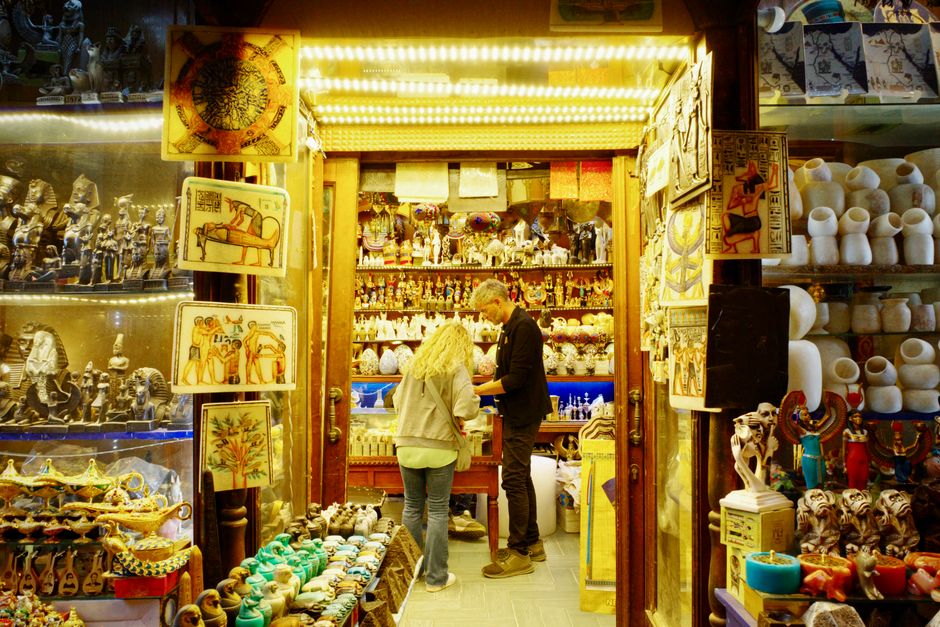
Walk through the narrow lanes of Khan el-Khalili on a Thursday evening, and you'll notice something has shifted. Alongside the century-old textile merchants and spice traders, a new breed of designer is setting up studio spaces—young creatives who are mining Cairo's visual heritage not as nostalgia, but as a blueprint for the future.
This transformation reflects a broader reshaping of Cairo's cultural identity. The city's fashion and design sectors, long overshadowed by Gulf capitals and European fashion weeks, are now claiming genuine creative authority. According to the Cairo Creative Industries Hub, established in 2023, the local design sector has grown by 28% year-on-year, with over 400 registered fashion enterprises now operating in the metropolitan area.
The epicentre remains Downtown Cairo, where converted colonial-era buildings along Talaat Harb Street host collaborative studios where textile artists, pattern-makers, and sustainable fashion pioneers share workspace. Monthly pop-up markets in nearby Sayeda Zeinab have become essential viewing for collectors and international buyers scouting emerging talent. Entry fees typically range from 50–150 Egyptian pounds, drawing crowds that would have been unimaginable five years ago.
What distinguishes Cairo's current moment is its commitment to authentic storytelling. Designers are increasingly engaging with Egypt's Nubian textile traditions, Bedouin embroidery techniques, and Islamic geometric principles—not as decorative flourishes, but as foundational design languages. The influence extends beyond fashion into jewellery, ceramics, and furniture, creating what curators describe as a cohesive creative ecosystem.
The economics matter, too. Entry into design entrepreneurship has become more accessible through microfinance schemes and the growth of e-commerce platforms catering to regional markets. A young designer launching a modest capsule collection now requires roughly 15,000–25,000 Egyptian pounds in initial capital—a significant but achievable threshold, particularly when compared to establishing a physical retail presence.
International recognition has accelerated momentum. Cairo Fashion Week, relaunched in 2024 after years of dormancy, attracted buyers from London, Dubai, and Johannesburg. Several Egyptian designers have secured stockists across East Africa and the Levantine markets, positioning Cairo not merely as a consumer of global trends but as a trend-setter in its own right.
This creative flowering matters beyond the fashion industry itself. For a city navigating rapid urbanization and social change, these design communities offer something vital: a space where identity is actively constructed, debated, and celebrated. In doing so, they're answering a fundamental question about Cairo's future—not as a city defined by its past, but as one still authoring its present.
This article was compiled by AI and screened before publishing. See our editorial standards.
How does this story make you feel?
Spread the word
About this article
Published by The Daily Cairo
Daily brief
Free, in your inbox before 7am. Weekdays.
More in culture