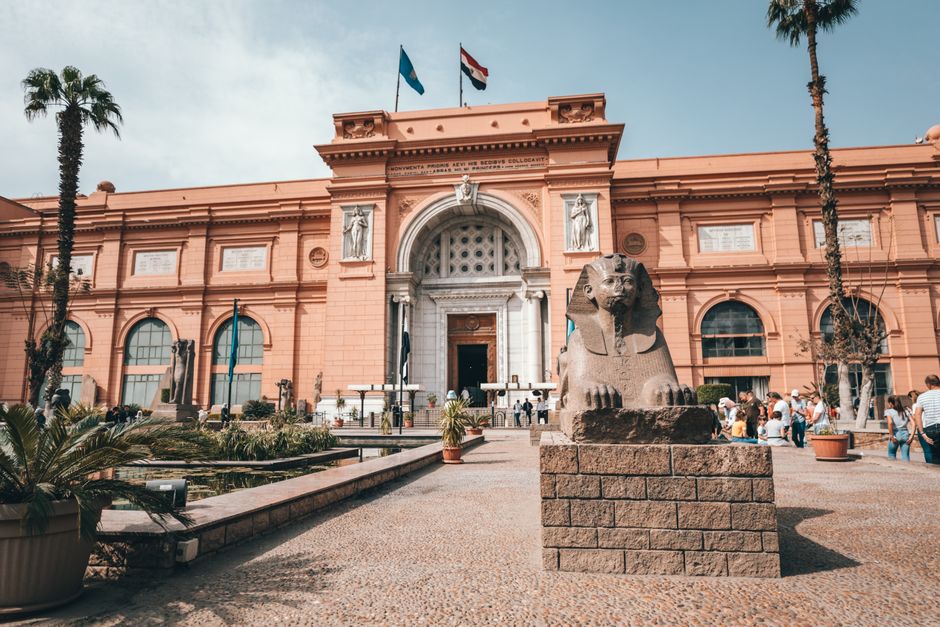
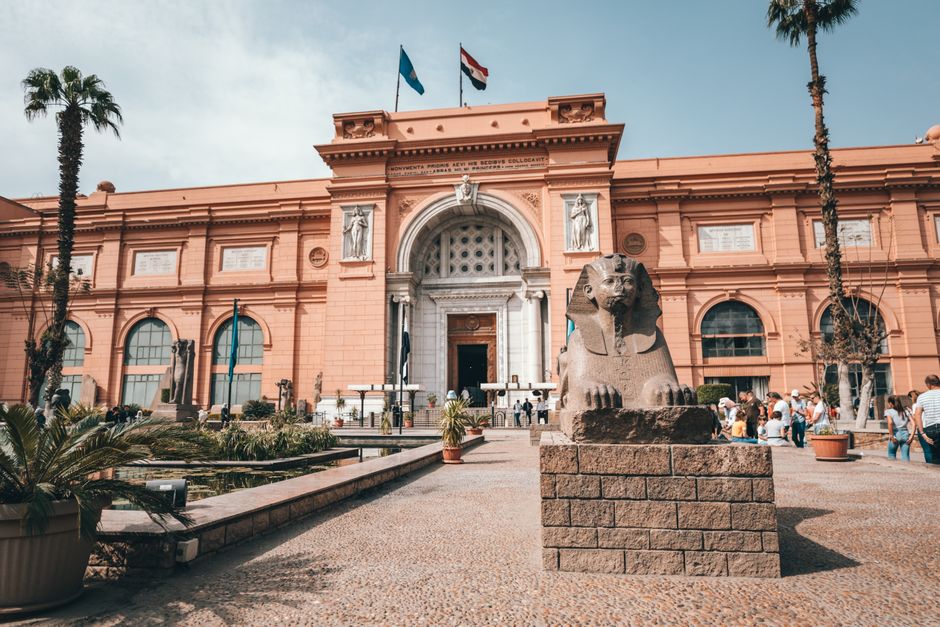
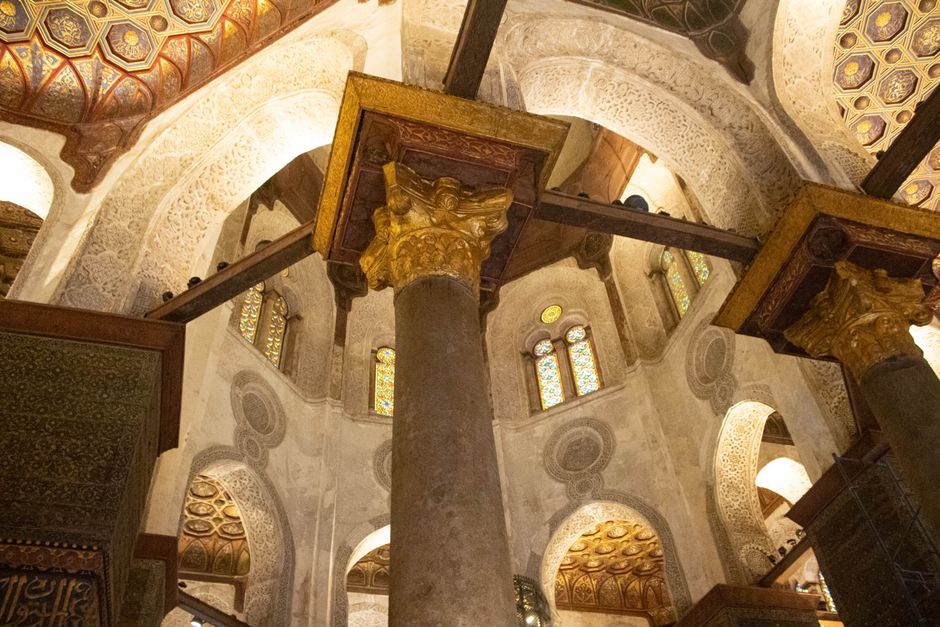
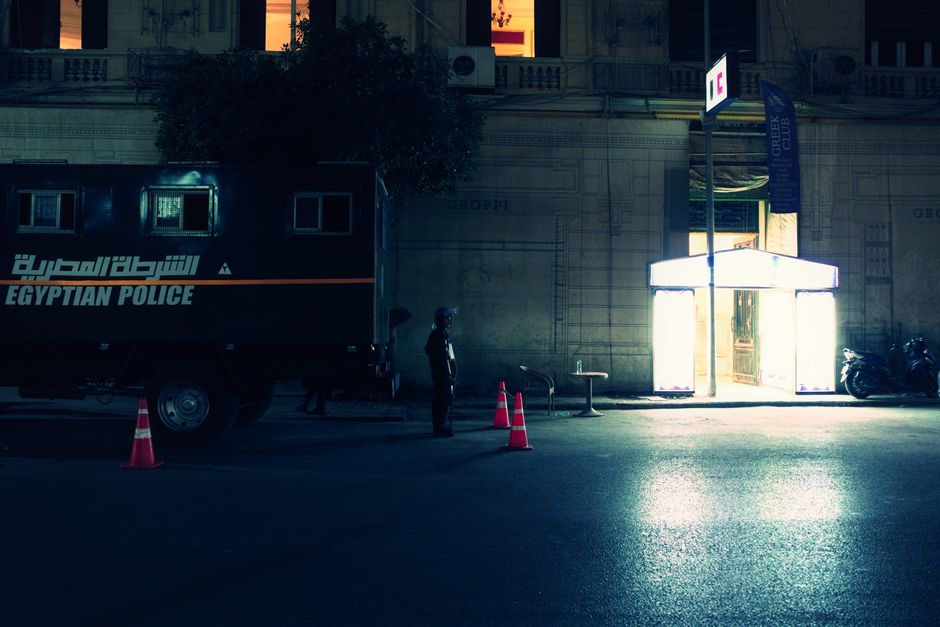
Walk through Downtown Cairo on any given weekend and you'll notice the shift: smaller independent venues in converted heritage buildings along Mohamed Mahmoud Street are drawing crowds that rival the established cultural institutions. This summer, that grassroots momentum is reaching festival stages across the city, signalling a generational turn in how Cairo celebrates its creative output.
The Cairo International Film Festival, traditionally anchored by established directors, has deliberately expanded its emerging filmmaker categories this year, with organisers noting that submissions from first-time feature directors under 35 increased by 38 percent compared to 2024. The Zamalek neighbourhood's cultural spaces—particularly around the Opera House district—have become informal ecosystems where these creators gather, workshop ideas, and find collaborators. Several emerging independent producers now operate small production houses in the area's converted villas, a stark contrast to the studio-dominated model of previous decades.
Beyond cinema, the music festival circuit tells a parallel story. The annual Summerized Festival, running through August across multiple Garden City venues, has dedicated entire stages to producers and DJs who built followings primarily through social media rather than traditional radio or concert hall networks. Entry fees for independent artists sit at 2,500 Egyptian pounds—substantially lower than major venues' standard artist fees—making accessibility a stated priority. Festival organisers report that approximately 42 percent of this summer's performing musicians are debuting at major city festivals.
Performance art and theatre have similarly opened their gates. Venues like the American University in Cairo's experimental theatre spaces and smaller independent companies operating from Heliopolis are nurturing playwrights and performers whose work directly engages contemporary Egyptian urban experience. The proliferation of micro-festivals—some lasting just a weekend—suggests creators are no longer waiting for the traditional gatekeepers' approval.
What distinguishes this moment is structural: social media has collapsed the barriers between emerging and established artists, allowing younger creators to build substantial audiences without access to legacy institutions. Festival programmers have adapted, recognising that Cairo's cultural relevance increasingly depends on platforming the voices shaping conversations online and in neighbourhoods before they arrive at official stages.
The risk, cultural observers note, remains sustainability. Visibility matters little without pathways to economic viability. Yet festival directors appear aware: several 2026 events include professional development workshops and direct funding opportunities for emerging participants, suggesting institutions are beginning to invest in the infrastructure that emerging talent requires to establish careers.
For a city watching its global cultural profile closely, the question is no longer whether Cairo has new voices worth hearing—it clearly does. The real test is whether the city's festival infrastructure evolves quickly enough to nurture them.
This article was compiled by AI and screened before publishing. See our editorial standards.