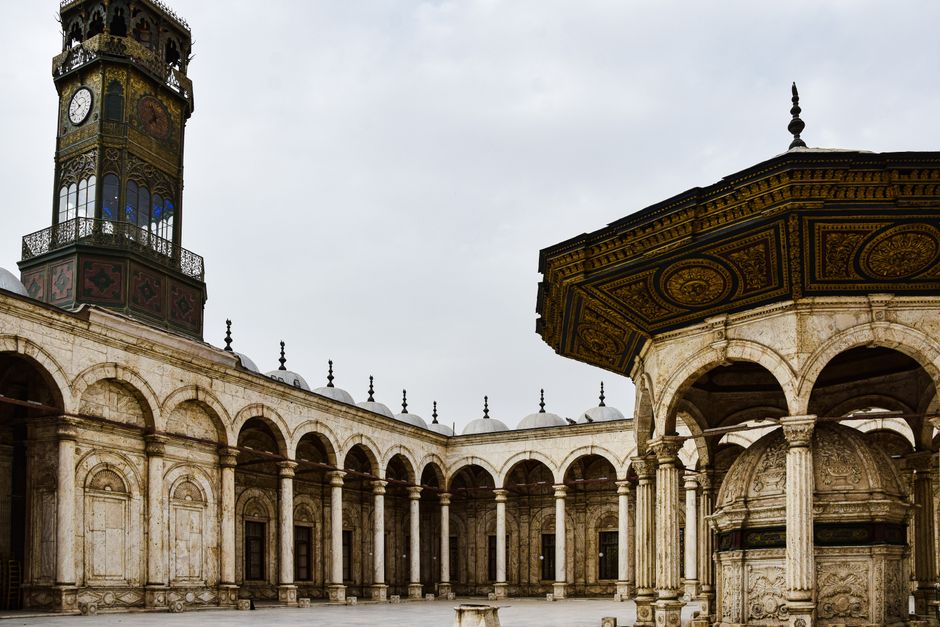
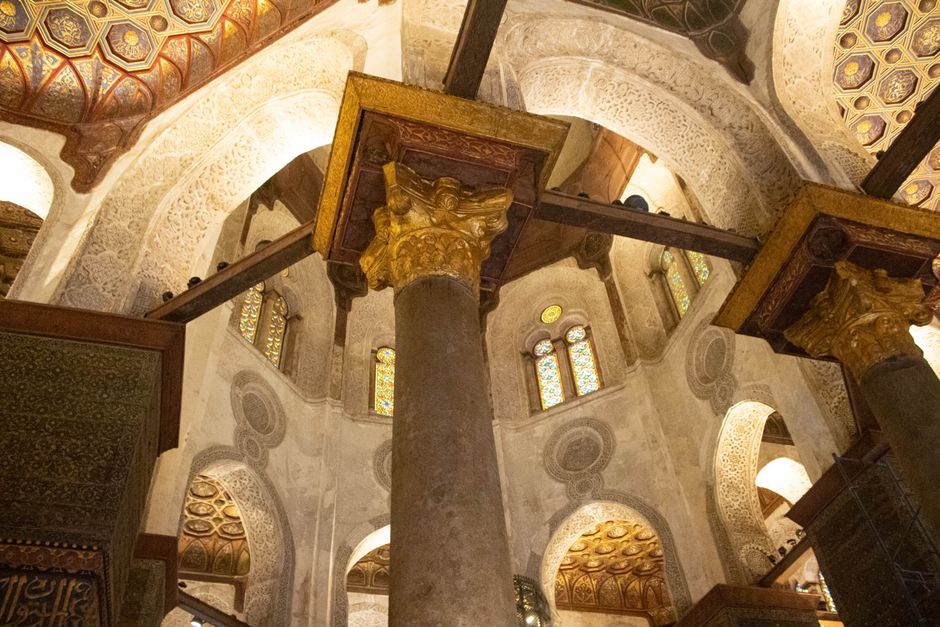
Walk down Al-Muizz Street on a Tuesday morning, and you'll see Fatima adjusting scaffolding outside a 14th-century façade. She's been a mason here for twenty-three years, one of perhaps two hundred skilled craftspeople working in Islamic Cairo's restoration ecosystem. Most visitors see the monuments—the Al-Hakim Mosque, the Khan el-Khalili bazaar, the intricate latticed windows of Ottoman townhouses. Few see the people rebuilding them, one carved stone at a time.
The Aga Khan Trust for Culture has invested over $130 million in the Al-Darb Al-Ahmar neighbourhood alone since the 1980s, but the real story belongs to the local restoration workshops tucked away in side streets near Bab Zuweila. These aren't glamorous institutions. They're small operations where plaster specialists earn 250 pounds daily, where apprentices learn the geometry of mushrabiya screens by hand, where knowledge passes from father to son across generations.
Hassan, who runs a conservation studio near the Citadel, employs eight craftspeople specializing in traditional stucco work. "People think restoration is about making things look new," he explains through his work. "It's actually about understanding why our ancestors built this way—the ventilation, the light, the materials they had." His team recently completed work on a 16th-century merchant's house in Gamaliya, using lime mortar recipes documented from the Ottoman period.
The challenge is precarious. Cairo's heritage sector employs roughly 3,000 people directly, but wages haven't kept pace with inflation. Young Cairenes increasingly drift toward tech jobs and tourism management rather than mastering trades that take a decade to learn. The Supreme Council of Antiquities oversees major projects, yet grassroots preservation depends on these invisible craftspeople maintaining skills that define Cairo's identity.
Yet momentum is building. The Egyptian Heritage Fund, established in 2019, now funds community-led restoration projects. Neighbourhood councils in Islamic Cairo are training younger generations. Organizations like the Arab Institute for Heritage are documenting oral histories of craftspeople, ensuring that the knowledge embedded in every keystone doesn't disappear.
When you stand in the restored courtyards of Beit Al-Suhaymi or walk under the medieval arches of the tentmakers' bazaar, you're experiencing the labour of people who chose to stay, to master forgotten techniques, to argue with developers about what matters. Their story is Cairo's story—one not of monuments alone, but of the hands that hold them up.
This article was compiled by AI and screened before publishing. See our editorial standards.