Cairo's Living History: What Every Visitor Should Know and Where to Go
From Islamic Golden Age architecture to modern creative hubs, navigating Egypt's capital means understanding how millennia of cultural layers shape the city today.
From Islamic Golden Age architecture to modern creative hubs, navigating Egypt's capital means understanding how millennia of cultural layers shape the city today.
Cairo doesn't reveal itself to casual observers. With over 20 million inhabitants sprawling across both banks of the Nile, the city operates as a palimpsest—each era written atop the last, creating a cultural identity that confounds easy categorisation. For visitors seeking authentic engagement rather than guidebook ticking, understanding this layering is essential.
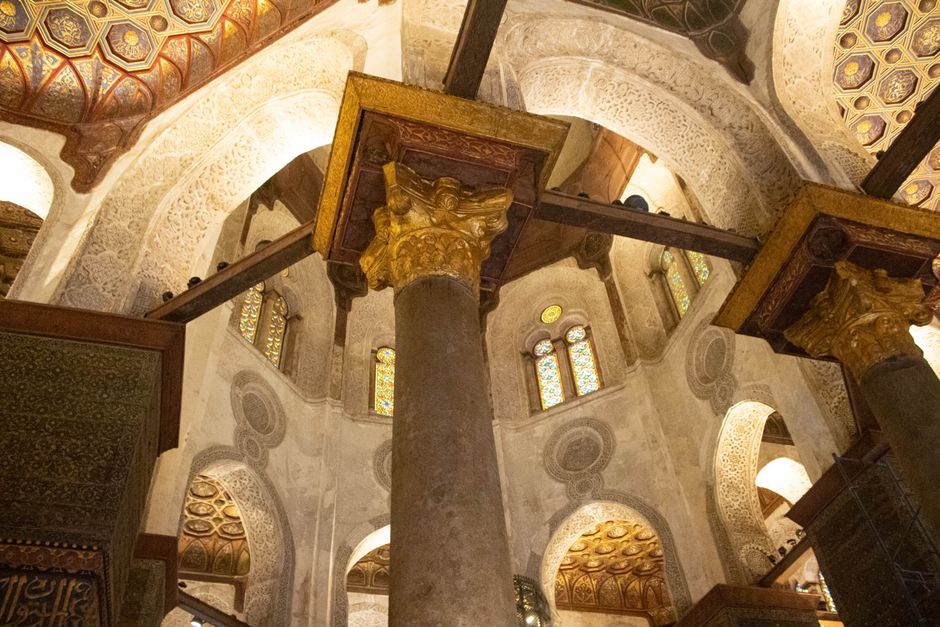
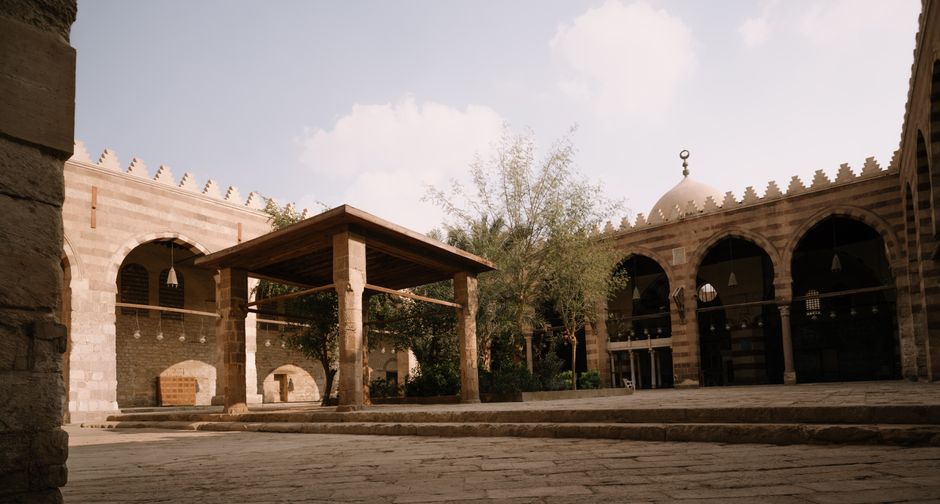
Start in Islamic Cairo, the medieval heart that stretches from Bab Zuweila gate southward along Al-Muizz Street. This UNESCO-listed neighbourhood preserves over 600 monuments from the 10th to 19th centuries. The Al-Azhar Mosque, founded in 970 CE, remains one of Islam's most influential educational institutions, while the Khan el-Khalili bazaar—despite its tourist reputation—still functions as a working market where locals haggle for spices, textiles and handicrafts. Entry is free; expect to spend 3-4 hours navigating narrow alleys where prices start around 50 Egyptian pounds for souvenirs.
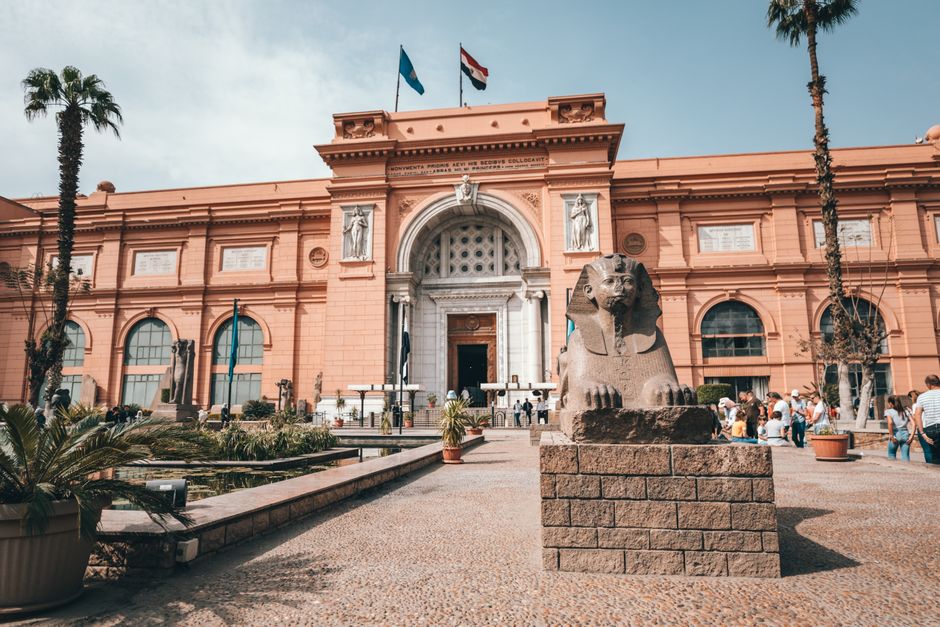
The Egyptian Museum in Tahrir Square, currently undergoing partial relocation to the new Grand Egyptian Museum in Giza, houses treasures that shaped Western understanding of ancient Egypt. But to grasp Cairo's contemporary cultural identity, venture to less-documented spaces. The Townhouse Gallery in Downtown Cairo—housed in a restored 19th-century building on Nabarawi Street—showcases contemporary Arab artists and hosts regular performances. Entry is typically free, though donations support emerging creators.
Zamalek island, historically a playground for Cairo's elite, now balances boutique cafés with functioning residential neighbourhoods. Here, the Gezira Arts Centre operates studio spaces, galleries and performance venues that document how Cairo's creative class navigates rapid urbanisation. The neighbourhood's tree-lined streets offer respite from downtown congestion while revealing how wealth and culture intersect across generations.
Don't overlook the everyday architecture of Garden City or the modernist housing complexes of Heliopolis, designed in the early 20th century as Cairo expanded northward. These neighbourhoods reveal how European planning ideals were adapted—and resisted—by Egyptian urban culture. Walking these streets provides context for understanding contemporary tensions between preservation and development that dominate Cairo's cultural conversation.
The Nile itself remains Cairo's central metaphor. Its seasonal cycles, water politics and role as a dividing line between communities shape everything from neighbourhood identity to artistic expression. A felucca ride at sunset costs around 100-150 pounds per person and offers perspective unavailable from ground level.
Ultimately, visiting Cairo meaningfully requires accepting its contradictions: ancient and contemporary, sacred and secular, globally connected and fiercely local. The city resists packaging.
This article was compiled by AI and screened before publishing. See our editorial standards.
How does this story make you feel?
Spread the word
About this article
Published by The Daily Cairo
Daily brief
Free, in your inbox before 7am. Weekdays.
More in culture