How Cairo's Gallery Renaissance Is Redefining the City's ...
From Downtown's converted warehouses to Zamalek's modernist spaces, a new generation of curators and collectors is reshaping what it means to be Cairo.
From Downtown's converted warehouses to Zamalek's modernist spaces, a new generation of curators and collectors is reshaping what it means to be Cairo.
Walk through Downtown Cairo on a Thursday evening and you'll encounter something that felt unimaginable a decade ago: gallery-goers spilling onto Talaat Harb Street, wine glasses in hand, debating contemporary art installations. The shift is unmistakable. What was once dismissible as a niche pursuit has become central to how Cairo defines itself—not as a museum city trapped in antiquity, but as a living, breathing creative capital.
The transformation centres on three distinct ecosystems. In Downtown, former industrial spaces have been converted into galleries that champion emerging Egyptian artists. The Townhouse Gallery, a fixture since the early 2000s, remains influential, but newer spaces like those clustering around Mohamed Mahmoud Street now host everything from experimental video installations to textile-based work that interrogates identity and displacement. Average entry is free to 50 EGP—deliberately accessible pricing that reflects a democratization of taste-making.
Zamalek, traditionally associated with wealth and establishment taste, has evolved differently. The Museum of Modern Art's Gezira location anchors an ecosystem where private galleries operate alongside institutional spaces. The concentration of collectors here—estimated at over 200 serious contemporary art buyers—has created a market that, while still modest compared to London or Dubai, generates genuine economic activity and attracts international attention.
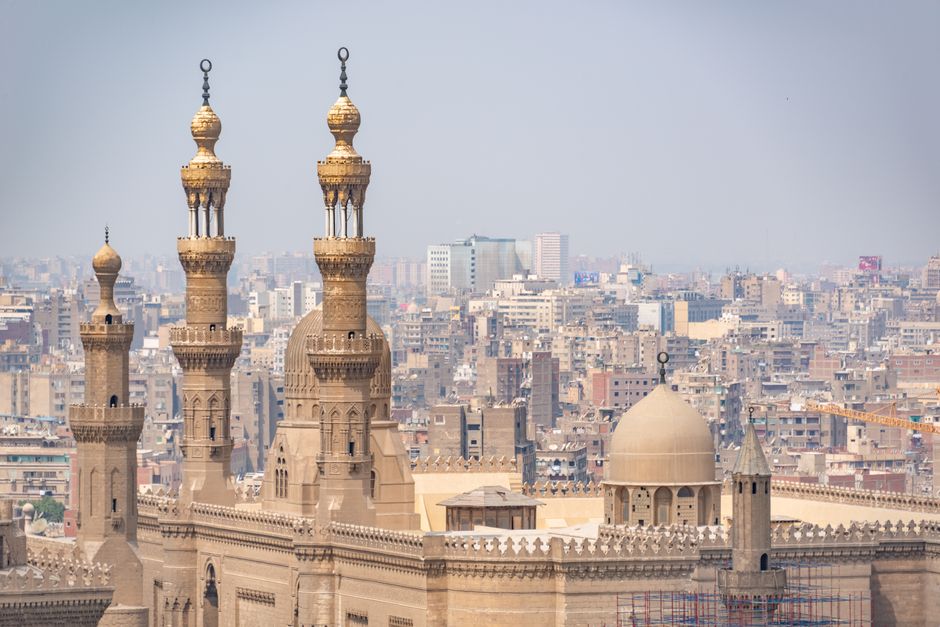
Perhaps most intriguingly, spaces like the Coptic Cairo quarters and emerging galleries in Maadi represent Cairo's edge: places where artists engage directly with the city's Islamic and Christian architectural heritage, producing work that feels unmistakably local yet internationally resonant. These neighbourhoods have become pilgrimage sites for curators tracking contemporary art from the Global South.
The numbers tell a story. While Egypt's cultural sector remains underfunded—official estimates suggest less than 2% of the national budget reaches cultural institutions—private investment in galleries has nearly tripled since 2019. Annual attendance at major venues hovers around 1.2 million visitors. For a city of over 20 million, that's still niche, but the momentum matters.
What's truly significant is the shift in narrative. Cairo's identity is no longer defined solely by its pharaonic or Islamic pasts, or even by its position as the Arab world's media capital. Today, young Cairenes increasingly identify with the city as a place where artists interrogate the present—where questions about urban life, political transition, and cultural belonging are explored in galleries alongside the Nile.
This isn't displacement of heritage. Rather, it's expansion. Cairo's creative renaissance suggests that a city need not choose between custodian of antiquity and engine of contemporary culture. It can be both—and increasingly, it is.
This article was compiled by AI and screened before publishing. See our editorial standards.
How does this story make you feel?
Spread the word
About this article
Published by The Daily Cairo
Daily brief
Free, in your inbox before 7am. Weekdays.
More in culture