From Ottoman Coffeehouses to Digital Galleries: How ...
As heritage districts face pressure from modernisation, Cairo's creative communities are mapping a new identity rooted in centuries of artistic legacy.
As heritage districts face pressure from modernisation, Cairo's creative communities are mapping a new identity rooted in centuries of artistic legacy.
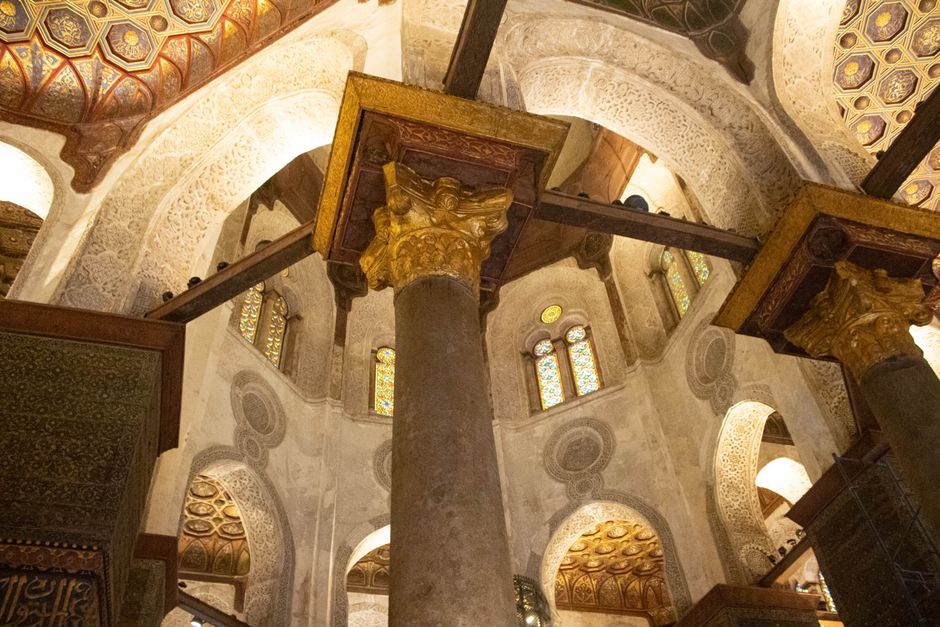
Walking through Islamic Cairo's narrow lanes today, you encounter a paradox that defines the city's current cultural moment. The same alleyways where 15th-century poets once gathered in Ottoman coffeehouses—establishments that operated as informal academies for centuries—now host contemporary art installations alongside spice merchants and textile vendors. This coexistence of epochs is not accidental; it reflects a city consciously negotiating between preserving its heritage and embracing its future.
The transformation accelerated sharply after 2011. While Downtown Cairo's Belle Époque mansions on Talaat Harb Street had long symbolised a vanished cosmopolitan era, a new generation of curators, filmmakers, and musicians began reclaiming these spaces. The launch of independent galleries and performance venues in converted colonial-era buildings—particularly around the Zamalek and Garden City neighbourhoods—signalled a shift. What had been dormant architectural heritage became living cultural infrastructure.
Today's scene reflects this inheritance explicitly. The Khan el-Khalili bazaar, operating continuously since 1382, now draws international tourists alongside locals; shop owners report that foot traffic has increased by approximately 40% since 2019, though the vendors themselves—many families running stalls for generations—struggle with rising rents. Simultaneously, Cairene artists have established themselves globally, with institutions like the Contemporary Image Collective in Zamalek becoming incubators for experimental work that explicitly engages with Islamic geometric traditions and Pharaonic symbolism.
The music scene illustrates this evolution most vividly. Classical Arabic music traditions, foundational to 20th-century Cairo's identity as the region's cultural capital, persist through venues like the Opera House. Yet electronic producers, hip-hop artists, and indie rock bands have built parallel ecosystems in smaller clubs and festival circuits, often sampling or interpolating traditional melodies into contemporary frameworks. The annual Cairo International Film Festival remains prestigious, but grassroots documentary and animation communities now rival its influence.
Heritage preservation organisations report growing tensions. The American University in Cairo's Institute of Arab and Islamic Art documents deteriorating medieval mosques, while local communities debate whether restoration should prioritise touristic appeal or lived religious practice. Street art flourishes in Maspero and around the American University campus, yet municipal authorities remain inconsistent in protecting murals that now constitute an informal archive of the city's post-2011 consciousness.
Cairo's cultural identity today isn't a seamless narrative. Instead, it's a negotiation: between UNESCO conservation priorities and neighbourhood economics, between global contemporary art markets and local artistic traditions, between nostalgia for cosmopolitan pasts and urgent present-day needs. That tension—visible in every transformed warehouse gallery, every renovated Ottoman mansion, every street corner—may be precisely what keeps Cairo's cultural scene vital.
This article was compiled by AI and screened before publishing. See our editorial standards.
How does this story make you feel?
Spread the word
About this article
Published by The Daily Cairo
Daily brief
Free, in your inbox before 7am. Weekdays.
More in culture