How a Grassroots Movement is Reclaiming Cairo's Islamic ...
Young heritage activists in downtown Cairo are reshaping how the city preserves and celebrates its medieval past, moving beyond state-led restoration to community-driven cultural ownership.
Young heritage activists in downtown Cairo are reshaping how the city preserves and celebrates its medieval past, moving beyond state-led restoration to community-driven cultural ownership.
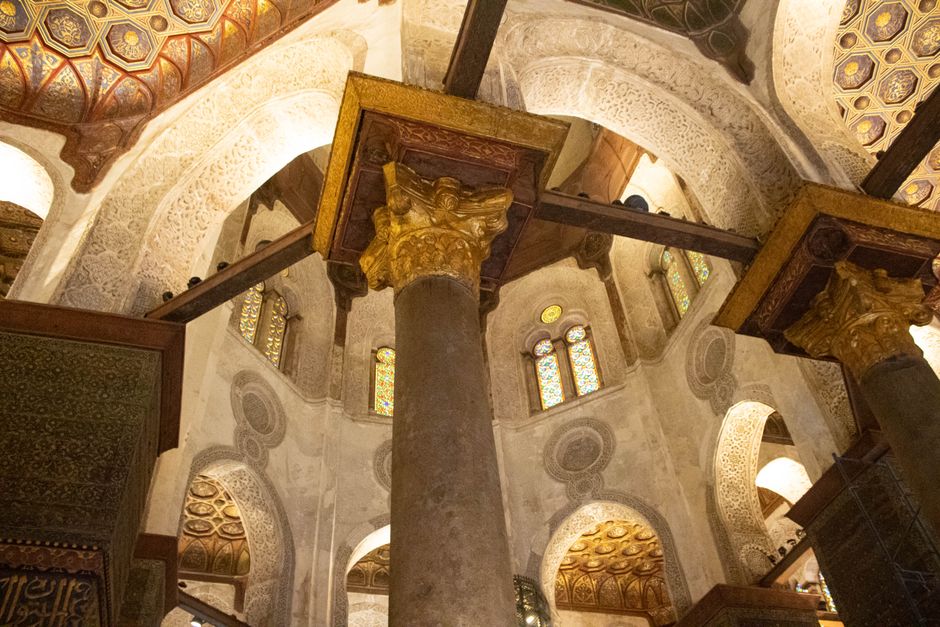
On a sweltering Friday evening in Islamic Cairo, a group of university students and young professionals gather in a restored 15th-century merchant house on Al-Moez Street, just metres from the Al-Azhar Mosque. They're not tourists or heritage officials—they're part of a burgeoning community movement that has quietly transformed how Cairenes engage with their own history.
The shift began roughly three years ago, when a coalition of local activists, architects, and educators founded heritage collectives like Darb al-Ahmar Community Development Association and the newly formed Cairo Heritage Guardians collective. Their mission diverges sharply from traditional top-down conservation models: instead of waiting for government restoration budgets—which averaged 120 million Egyptian pounds annually across all heritage sites through 2024—these groups mobilise residents themselves to document, preserve, and reinterpret their neighbourhoods.
"The state tells the story of Cairo's past," explains one young heritage coordinator working across Old Cairo's labyrinthine lanes. "We wanted residents to tell their own stories." The movement has galvanised dozens of community-led initiatives: oral history projects recording elderly residents' memories in Khan el-Khalili; youth workshops teaching traditional crafts like mashrabiya woodwork in Sayeda Zainab; digital mapping projects cataloguing endangered buildings in Bab al-Qharq.
The economic impact is measurable. Small heritage tourism enterprises—family-run guesthouses, artisan studios, heritage cafés—have multiplied across Islamic Cairo's lanes. Average visitor spending in these community-run spaces reaches 450-800 Egyptian pounds per person, with proceeds directly benefiting local families rather than distant corporations.
What distinguishes this movement from conventional heritage work is its explicitly political dimension. Activists argue that Cairo's fragmented conservation efforts have historically marginalised working-class residents, treating neighbourhoods as open-air museums rather than living communities. By centring local voices, these groups are reshaping narratives about who owns Cairo's past—and who profits from its future.
The movement faces real constraints: limited funding, bureaucratic friction, and the relentless pressure of Cairo's informal housing crisis. Yet over the past 18 months, participation has grown from a core of perhaps 150 activists to an estimated 3,000 regular volunteers across multiple neighbourhood collectives.
As Cairo's global profile rises—the city welcomes over 11 million visitors annually—this grassroots reclamation of heritage identity feels urgently timely. These young Cairenes aren't waiting for permission to shape their city's narrative. They're doing it themselves.
This article was compiled by AI and screened before publishing. See our editorial standards.
How does this story make you feel?
Spread the word
About this article
Published by The Daily Cairo
Daily brief
Free, in your inbox before 7am. Weekdays.
More in culture