How a Zamalek Collective Built Cairo's Most Anticipated Summer Film Festival from Scratch
Inside the two-year mission that transformed a dusty riverside warehouse into a cultural landmark drawing 8,000 visitors annually.
Inside the two-year mission that transformed a dusty riverside warehouse into a cultural landmark drawing 8,000 visitors annually.
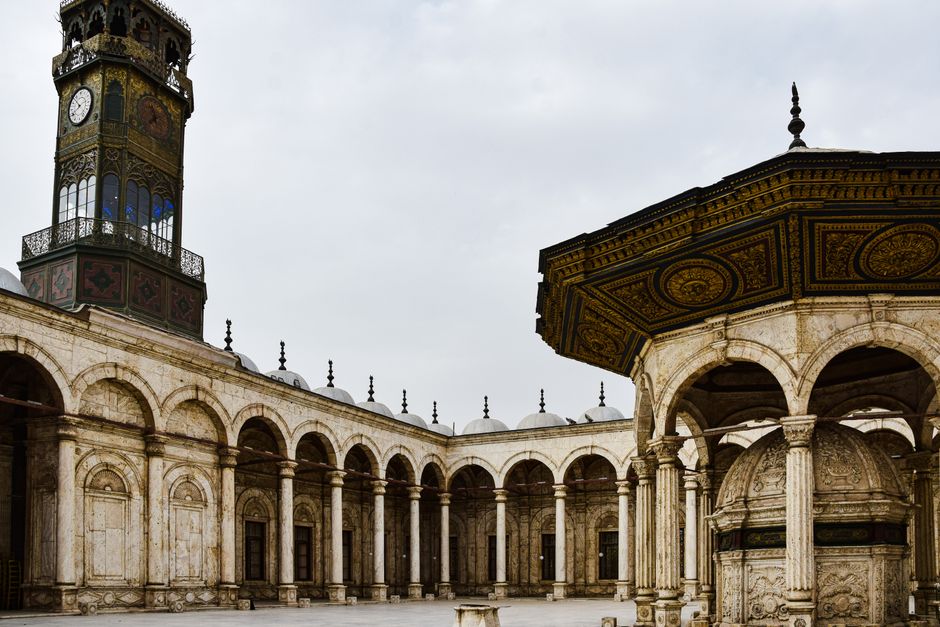
On a sweltering afternoon in late May, workers were still hammering screens into place at the renovated Islamic Ceramics Museum warehouse on Saray Street when the first batch of 200 advance tickets for this summer's Cairo Floating Cinema sold out in four hours. The festival, now in its third iteration, has become the season's most talked-about event—but its origin story reveals something deeper about how culture actually gets made in this city.
Three years ago, a loose collective of eight independent curators, cinematographers, and community organisers—most in their late twenties—met over coffee in a Zamalek café to discuss a simple problem: summer in Cairo meant cinemas went dark, cultural programming disappeared, and young audiences migrated to Alexandria or abroad. "We looked around and thought, why are we accepting this?" recalls the founding team, whose names now appear on the festival's modest website alongside their previous work at smaller underground venues across Garden City and Dokki.
What followed was a masterclass in grassroots culture-building. The group spent eight months securing permissions from three separate government bodies, negotiating with the Tourism and Antiquities Ministry to use the warehouse space at a nominal annual fee. They launched with a €15,000 crowdfunded campaign that raised €34,000 from 800 supporters—many diaspora members watching from London and Dubai, drawn by social media posts about reclaiming Cairo's summer cultural calendar.
The logistics remain staggering. Each festival now requires 120 volunteer hours of installation, partnerships with fifteen independent vendors (from the Heliopolis coffee roastery supplying beverages to the Mohandeseen printing collective designing posters), and coordination with neighbourhood associations in Islamic Cairo to manage the influx of 2,000-plus visitors per screening night. Ticket prices remain deliberately accessible: 80 Egyptian pounds for single screenings, 300 for season passes—roughly one-third the cost of commercial multiplexes.
This year's edition, running through August, features 23 independent films alongside live music from local musicians and filmmaker workshops in partnership with the American University in Cairo. The collective has already secured sponsorship from two telecommunications companies and a Cairo-based fashion label, allowing them to expand infrastructure without surrendering curatorial independence.
"We're not trying to be grand," one founding member noted in recent correspondence. "We're trying to prove that summer doesn't have to mean cultural silence." For a generation of Cairenes tired of watching their city's creative energy leak elsewhere, the warehouse on Saray Street has become proof that it doesn't.
This article was compiled by AI and screened before publishing. See our editorial standards.
How does this story make you feel?
Spread the word
About this article
Published by The Daily Cairo
Daily brief
Free, in your inbox before 7am. Weekdays.
More in culture