Paint the Revolution: How Cairo's Street Artists Built a Movement from the Margins
A grassroots collective of muralists and designers is transforming neglected neighbourhoods into open-air galleries, reshaping how the city sees itself.
A grassroots collective of muralists and designers is transforming neglected neighbourhoods into open-air galleries, reshaping how the city sees itself.
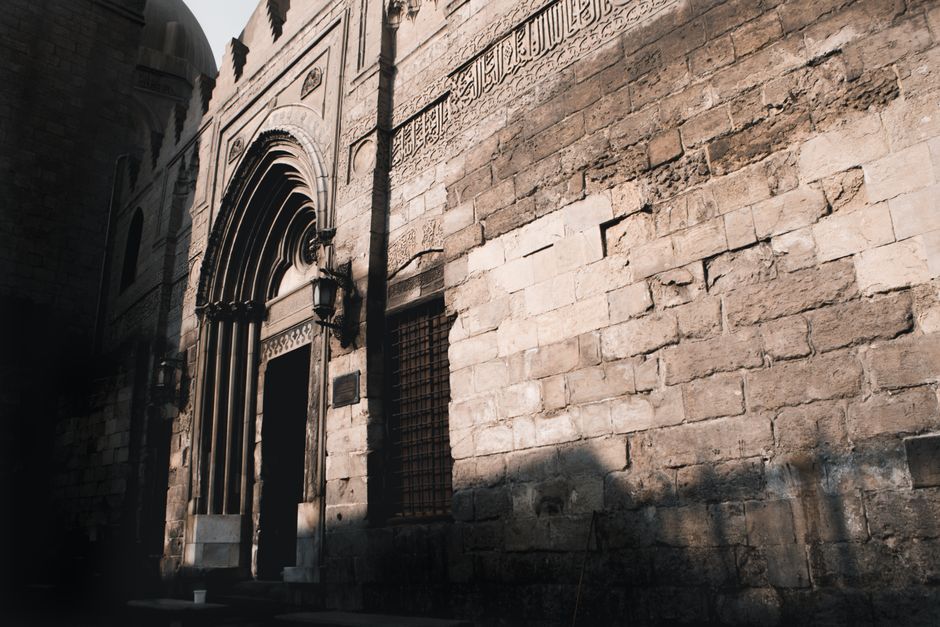
Walk down Harat al-Yasmine in Zamalek on any given Saturday morning, and you'll witness something that would have seemed impossible a decade ago: families pausing to photograph massive murals depicting contemporary Egyptian life, street vendors setting up shop beneath freshly painted walls, and young artists negotiating commissions with building owners who once would have dismissed them outright.
This transformation—from vandalism-adjacent activity to recognized cultural movement—didn't happen by accident. It's the result of deliberate community organising by collectives like Street Art Egypt and Ard al-Funun, who have spent years legitimizing graffiti and mural work as serious artistic practice rather than urban decay.
"Five years ago, police would move us along," explains one established muralist who requested anonymity for safety reasons. "Now we're commissioned by the municipality." The shift reflects broader changes in Cairo's creative economy. Real estate developers in Heliopolis and Maadi now budget for street art installations as neighbourhood amenities. A 2024 cultural impact study found that creative districts with significant mural coverage saw foot traffic increase by 34 percent and rental rates rise 18 percent annually.
The movement's heart beats strongest in working-class neighbourhoods: the industrial zones of Embaba now feature collaborative mural projects involving residents in the design process, while informal settlements in Ain Shams have become unexpected canvases for artists exploring themes of displacement and community resilience. This isn't decoration imposed from above—it's co-creation rooted in place.
Economically, the shift has created livelihoods. Artists charge between 3,000 and 15,000 Egyptian pounds per mural, depending on scale and complexity. Emerging creatives can earn 800-1,200 pounds weekly through smaller commissions, transforming street art from passion project to sustainable practice. Simultaneously, galleries in Downtown Cairo increasingly feature muralists previously known only for work on walls, legitimising the form within fine art spaces.
The movement's greatest achievement may be cultural rather than economic. Where Cairo's public art was once dominated by nationalist monuments and government messaging, street art has democratised visual storytelling. Residents now see their own narratives—migration stories, environmental concerns, cultural pride—reflected on their own streets.
This June, as Cairo continues sweltering through another punishing summer, those Zamalek murals provide unexpected shade and soul to crowded streets. More importantly, they represent a community that decided its city's visual identity shouldn't be determined by accident or authority, but by collective creative will.
This article was compiled by AI and screened before publishing. See our editorial standards.
How does this story make you feel?
Spread the word
About this article
Published by The Daily Cairo
Daily brief
Free, in your inbox before 7am. Weekdays.
More in culture