Cairo's Live Music Scene Is Booming Again—And Young Egyptians Are Reclaiming the Night
From intimate garden gigs in Zamalek to sold-out arena shows, venues across the capital are thriving as audiences return with appetite and ambition.
From intimate garden gigs in Zamalek to sold-out arena shows, venues across the capital are thriving as audiences return with appetite and ambition.
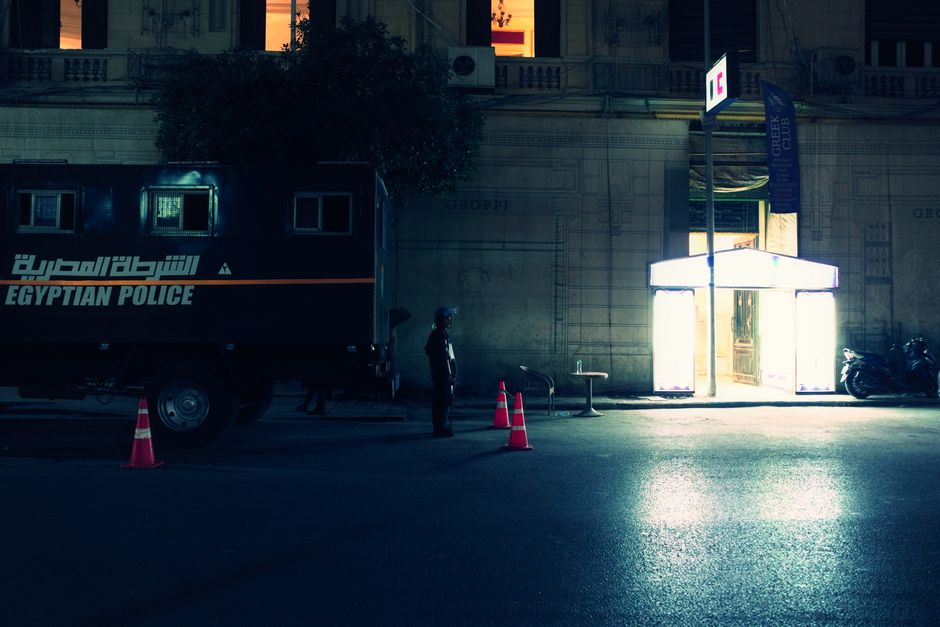
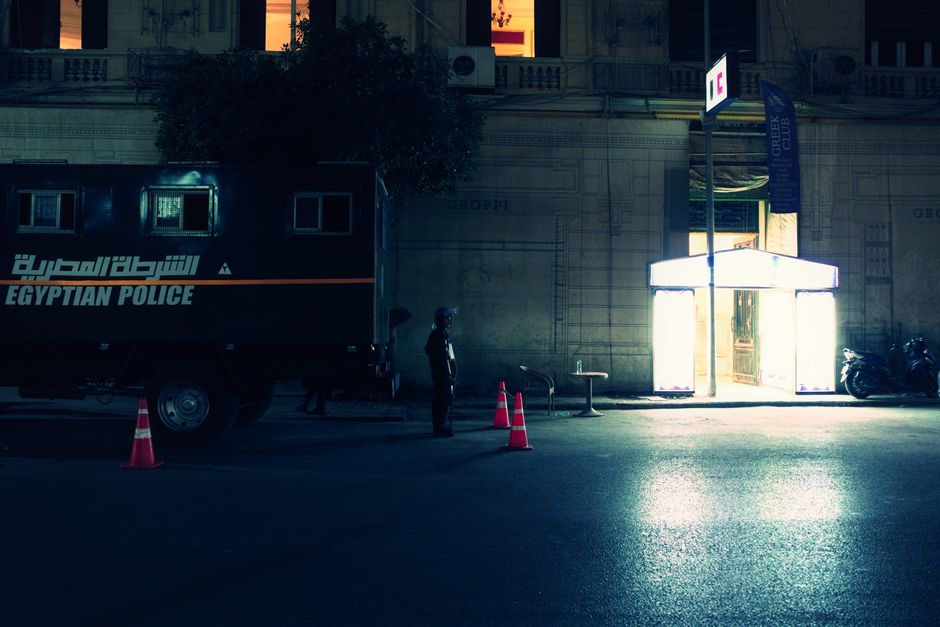
Walk through downtown Cairo on a Thursday evening and you'll hear it before you see it—the bass thrumming from converted warehouse spaces along Mohamed Mahmoud Street, the acoustic hum drifting from rooftop bars in Garden City, the thunderous cheer from Citadel Season crowds spilling into the surrounding neighbourhoods. After years of economic uncertainty and travel restrictions that made touring difficult, Cairo's live music ecosystem is experiencing a tangible renaissance that locals are crediting to shifting demographics, improved venue infrastructure, and a generation determined to build cultural experiences locally.
The numbers tell the story. Major venues like the AUC Concert Hall and the newly renovated Sawy Culture Wheel in Zamalek are operating at near-capacity on most weekends, with ticket prices ranging from 300 to 800 Egyptian pounds for mid-tier acts—a significant jump from pre-pandemic pricing, yet audiences keep coming. Smaller independent spaces have multiplied across Heliopolis and Nasr City, where younger promoters are experimenting with hybrid events combining live bands with DJ sets and visual art installations.
What's particularly striking is the breadth of programming. Arabic pop remains a draw, but jazz nights, indie rock showcases, and electronic music festivals have carved out dedicated followings. The Cairo Jazz Festival, which returns this autumn for its eighth edition, has become a cultural marker on the city's annual calendar. Local artists—many of whom spent the pandemic years developing music independently on streaming platforms—are now securing proper stage time and playing to audiences hungry for live performance after years of digital fatigue.
Venue owners and promoters point to several factors driving this boom. Improved security and infrastructure have restored confidence among both international touring acts and local investors willing to open new spaces. Social media has democratised promotion, allowing smaller shows to build audiences without traditional media gatekeeping. Perhaps most significantly, Cairo's growing middle class—particularly professionals aged 18-35—has disposable income and an appetite for experiences that signal cultural engagement.
The energy feels different from previous cycles. These aren't nostalgic recreations of earlier eras but genuinely experimental spaces where Egyptian musicians are testing new sounds and audiences are openly receptive. Conversations in cafés from Maadi to Dokki increasingly revolve around which show to catch next weekend, a simple indicator that live music has reclaimed its place as central to how young Cairenes socialise and define their city.
This article was compiled by AI and screened before publishing. See our editorial standards.
How does this story make you feel?
Spread the word
About this article
Published by The Daily Cairo
Daily brief
Free, in your inbox before 7am. Weekdays.
More in culture