Cairo's Live Music Scene: How Venues Are Redefining the City's Creative Soul
From underground clubs in Zamalek to rooftop stages overlooking the Nile, Cairo's evolving concert landscape is becoming the beating heart of a new cultural identity.
From underground clubs in Zamalek to rooftop stages overlooking the Nile, Cairo's evolving concert landscape is becoming the beating heart of a new cultural identity.
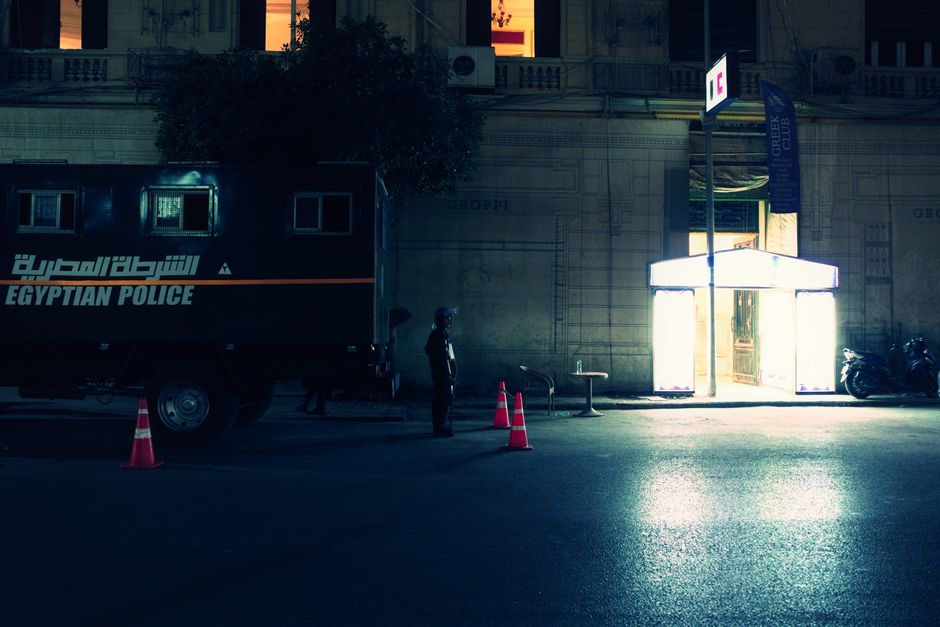
Walk through the narrow lanes of Downtown Cairo on a Friday night, and you'll hear it before you see it—the unmistakable pulse of a live band filtering through the streets. Over the past three years, Cairo's music venue ecosystem has undergone a quiet revolution, transforming the city's relationship with live entertainment and, in doing so, reshaping what it means to be creative in Egypt's capital.
The numbers tell part of the story. Industry observers estimate that dedicated concert venues in Cairo have grown by roughly 40 percent since 2023, with new spaces opening in traditionally overlooked neighbourhoods like Helwan and Garden City. Ticket prices have stabilised around 200–400 Egyptian pounds for mid-tier shows, making live music accessible to a broadening middle-class audience rather than remaining an exclusive luxury.
Venues like those clustered around the Nile Corniche and the emerging cluster in Zamalek's cultural district have become incubators for a generation of musicians experimenting beyond traditional mahraganat and classical forms. These spaces—intimate basement clubs, converted warehouse lofts, and open-air rooftop stages—are hosting everything from jazz fusion to electronic artists who might have once felt compelled to pursue careers abroad.
What's particularly significant is how these venues are functioning as cultural anchors for neighbourhoods. The concentration of live music spots in Downtown has attracted restaurants, galleries, and independent bookshops, creating a gravitational pull for creatives across disciplines. Young Egyptians increasingly see live performance as central to their identity, not as a borrowed Western import but as an evolving expression of local creativity.
The diversity of programming matters too. Where Cairo's entertainment sector once centred largely on classical orchestral performances at the Opera House or tourist-oriented venues, today's independent promoters are curating eclectic lineups—bedroom pop artists sharing bills with Sudanese diaspora musicians, experimental electronic producers, and revival bands exploring Egypt's own musical archives.
Yet challenges remain. Infrastructure issues, unpredictable licensing procedures, and occasional security concerns continue to complicate venue operations. Several promising spaces have closed prematurely due to administrative friction. The sustainability of this growth depends partly on whether municipal and cultural institutions begin treating live music venues as essential civic infrastructure rather than transient commercial enterprises.
Still, for anyone paying attention, the message is clear: Cairo's live music scene has evolved from a peripheral entertainment sector into something far more consequential. These venues are where the city's creative identity is being actively constructed—not in museums or galleries alone, but in real-time, in front of crowds, night after night.
This article was compiled by AI and screened before publishing. See our editorial standards.
How does this story make you feel?
Spread the word
About this article
Published by The Daily Cairo
Daily brief
Free, in your inbox before 7am. Weekdays.
More in culture