Cairo's Street Art Renaissance: Meet the Emerging Voices ...
A new generation of muralists and designers is transforming neighbourhoods from Zamalek to Garden City, challenging conventions and redefining what Egyptian street art means in 2026.
A new generation of muralists and designers is transforming neighbourhoods from Zamalek to Garden City, challenging conventions and redefining what Egyptian street art means in 2026.
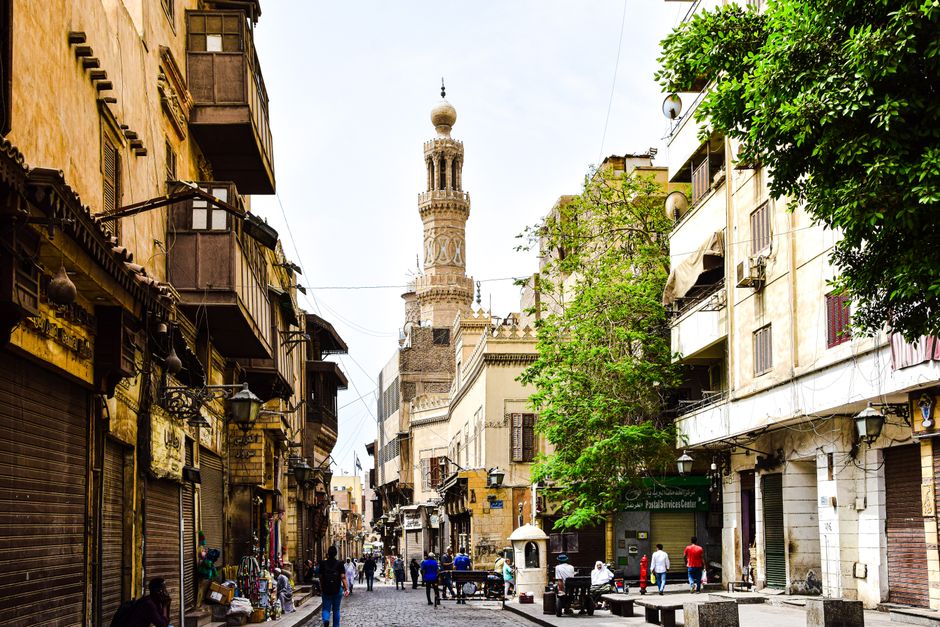
Walk through the narrow lanes of Islamic Cairo or the increasingly vibrant stretches of Abdel Moneim Riyadh Street, and you'll notice something unmistakable: the walls are talking back. What began as scattered tags and political murals a decade ago has crystallised into something far more sophisticated—a genuine creative movement led by artists barely in their thirties, many of whom learned their craft on Cairo's very streets.
The shift is particularly visible in Garden City, where a loose collective of muralists has transformed blank concrete into galleries celebrating everything from Nubian heritage to contemporary social commentary. Unlike their predecessors, who often worked under cover of darkness, this generation operates with municipal support and growing institutional recognition. The Cairo Opera House's 2025 partnership with local street artists set a precedent that's reverberating through the city's creative infrastructure.
What distinguishes these emerging talents isn't merely technical skill—though many studied design formally at the American University in Cairo or through independent apprenticeships—but their approach to storytelling. Rather than imposing external narratives, they're engaging directly with communities. A 2025 survey by the Cairo Culture Initiative found that 67% of residents in neighbourhoods with active mural projects felt greater attachment to their surroundings, a statistic that hasn't gone unnoticed by city planners.
The economics are shifting too. Entry barriers that once limited street art to either wealthy gallery-connected artists or risk-taking rebels have lowered. High-quality spray paint costs roughly 35–50 Egyptian pounds per can, and collaborative studio spaces in Heliopolis and Dokki now rent for as little as 500 pounds monthly—affordable enough for young artists to work full-time. Online platforms have democratised exposure; Instagram followings translate directly into commissions from boutique cafes, tech startups, and private developers seeking authentic cultural cachet.
Yet tensions remain. Gentrification concerns loom as property developers eye rapidly-changing neighbourhoods. Some established street artists worry that institutionalisation risks neutering the subversive energy that defined the form. Meanwhile, questions about representation persist—female muralists, while increasingly visible, still constitute perhaps 20% of the active scene.
Still, the trajectory is undeniable. Young artists working in Zamalek and around the streets bordering the Nile are producing work that commands serious critical attention. They're not simply decorating walls; they're reshaping how Cairo sees itself. For culture watchers, the question isn't whether street art has arrived as a legitimate medium in Egypt's creative landscape. It's whether the city can sustain the momentum without losing the rawness that made it vital in the first place.
This article was compiled by AI and screened before publishing. See our editorial standards.
How does this story make you feel?
Spread the word
About this article
Published by The Daily Cairo
Daily brief
Free, in your inbox before 7am. Weekdays.
More in culture