Young Cairenes are reclaiming Islamic Cairo—and reshaping what heritage means
A grassroots movement of architects, artists and residents is transforming the medieval quarter into a living cultural hub, not a museum.
A grassroots movement of architects, artists and residents is transforming the medieval quarter into a living cultural hub, not a museum.
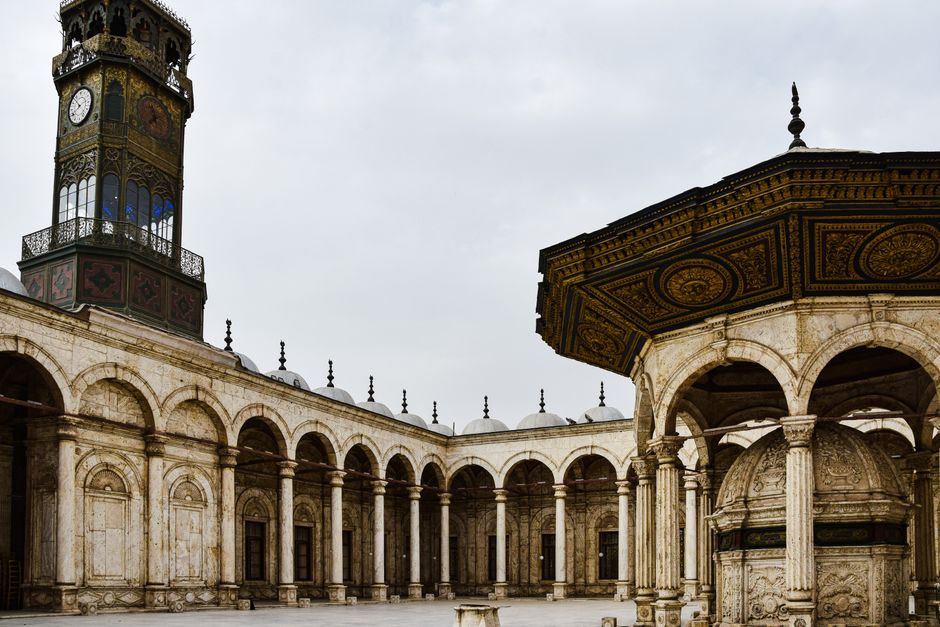
Walk through Al-Moez Street on a Friday evening and you'll notice something has shifted. Where tour groups once dominated, young Egyptians now cluster around restored khans and newly opened galleries, their phones capturing details their grandparents' generation largely ignored. This isn't accident—it's the result of a deliberate, community-driven movement to reclaim Islamic Cairo as a living neighbourhood rather than a static heritage zone.
The transformation gained momentum around 2022, when several youth-led organisations began challenging the top-down conservation model that had dominated the district for decades. Groups like Darb1718 in Darb al-Ahmar and independent collectives operating from Khan el-Khalili have shifted focus from restoration-for-tourists to restoration-for-residents. The difference matters: local craftspeople are being hired, affordable studio space is being created, and neighbourhood input now shapes what gets preserved and how.
"People were tired of seeing their heritage turned into a performance," says the movement's core philosophy, evident in how these spaces operate. A typical converted khan now houses a mix of artists' studios, a small café serving coffee at 15–25 Egyptian pounds, and workshop spaces where textile designers and metalworkers train apprentices—often teenagers from the neighbourhood itself.
The numbers reflect this shift. Between 2023 and 2025, at least 14 independent galleries and creative spaces opened in Islamic Cairo, compared to three in the preceding five years. More significantly, resident numbers have stabilised—even slightly increased—after decades of flight to newer suburbs. Young families are moving back, attracted by lower rents and a revitalised cultural scene that feels authentically theirs.
This movement has also sparked broader conversations about whose history matters. The focus has broadened beyond famous monuments like Al-Azhar Mosque to include vernacular architecture, women's contributions to craft traditions, and the working-class quarters that tourists typically bypass. The newly established Islamic Cairo Archive, a community-run digital project launched in 2024, now documents oral histories from long-time residents—knowledge that might otherwise vanish.
Not everything is smooth. Tensions persist between preservation purists and those wanting adaptive reuse; between commercial pressures and community control. But what's undeniable is that Islamic Cairo's cultural identity is no longer being written solely by heritage officials or external institutions. It's being written by the people who actually live there, work there, and imagine their children growing up surrounded by their own history—not someone else's.
This article was compiled by AI and screened before publishing. See our editorial standards.
How does this story make you feel?
Spread the word
About this article
Published by The Daily Cairo
Daily brief
Free, in your inbox before 7am. Weekdays.
More in culture