Walk through the narrow lanes of Zamalek on any Thursday evening and you'll find dozens of galleries humming with conversation—a far cry from the early 2000s, when Cairo's art scene was fragmented, underfunded, and largely ignored by international markets. The transformation didn't happen by accident. It was built by a handful of visionaries who bet their savings and reputations on the belief that Cairo deserved a thriving contemporary arts ecosystem.
Tarek Charara, who opened Townhouse Gallery in Downtown Cairo's Champollion Street in 1998, was among the earliest. His decision to convert a deteriorating colonial-era building into a non-profit contemporary space seemed quixotic at the time. "People thought I was mad," he once reflected in interviews. By establishing a platform for experimental work and performance art when commercial galleries focused solely on commodifiable paintings, Charara created the template others would follow. Today, Townhouse remains a training ground for emerging curators and artists, attracting regional and international attention.
The downstream effect became visible by the 2010s. Galleries like Ayyam, which expanded from its original UAE operations to establish a significant Cairo presence, brought professional infrastructure and international networks. But it was the micro-galleries—artist-run collectives in cramped Sayyida Zeinab apartments, improvised exhibition spaces in Khan el-Khalili workshops—that sustained the ecosystem when the economy wavered. These spaces, often operating on volunteer labour and tiny margins, nurtured the experimental impulse that keeps any art scene alive.
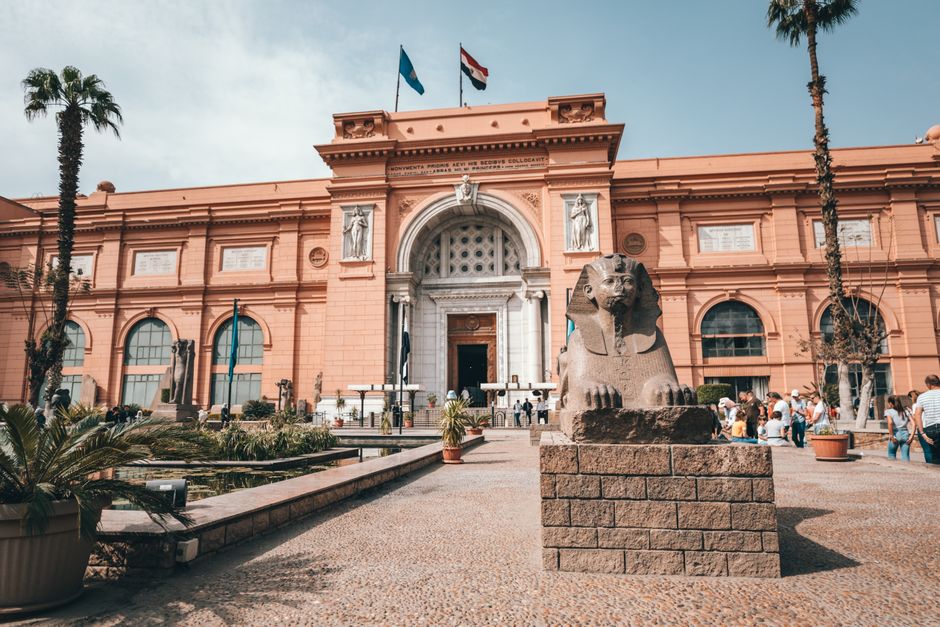
Curator and arts administrator Iman Issa, who has lectured internationally on Cairo's cultural landscape, notes that the scene's resilience stems from its diversity. The Egyptian Museum's classical collections exist in conversation with the Museum of Modern Egyptian Art in Gezira, the contemporary focus of Darb 1718 in Islamic Cairo, and hundreds of smaller institutional and independent spaces scattered across neighbourhoods most tourists never visit. This pluralism—old and new, established and grassroots, commercial and non-profit—creates friction and energy.
Yet challenges persist. Rising rents in Zamalek have forced some galleries to relocate or close. International shipping costs remain prohibitive for many smaller operators. The broader economic environment continues to squeeze discretionary spending on art, particularly among local collectors. Still, the infrastructure that emerged over the past two decades—the trained professionals, the institutional knowledge, the networks—cannot be easily dismantled. Cairo's arts scene, born from individual ambition and collective faith in culture's value, has proven remarkably durable. That durability is the real story.
This article was compiled by AI and screened before publishing. See our editorial standards.