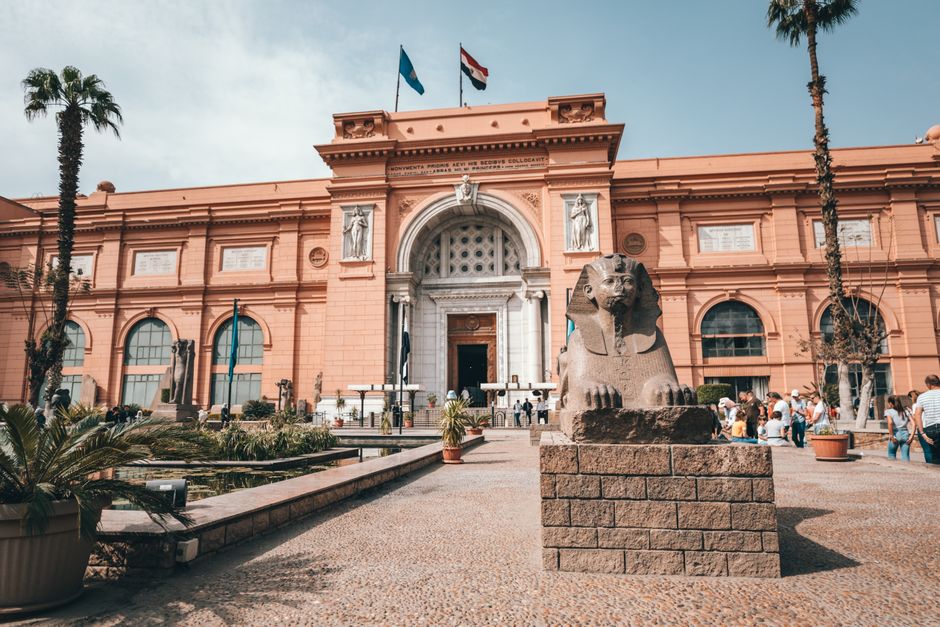
When the Egyptian Museum opened its doors on Tahrir Square in 1902, it represented something singular in Cairo's cultural landscape: a repository of national treasures, carefully controlled and presented to an elite audience. Today, as that institution undergoes its prolonged transition to the new Grand Egyptian Museum in Giza, the city's art scene has sprawled across neighbourhoods in ways that earlier generations could scarcely have imagined.
The shift began subtly in the 1990s, when private galleries started appearing in the upscale enclaves of Zamalek and Garden City. Spaces like Townhouse Gallery, established in 2000 on Mohamed Mahmoud Street in Downtown Cairo, pioneered a new model: artist-run, experimental, and deliberately positioned outside institutional frameworks. "We were creating alternatives," the venue's founding ethos suggested through its programming of experimental theatre, video art, and works by emerging Egyptian and regional artists. Entry fees hovered around 50-100 Egyptian pounds—accessible enough to cultivate a younger audience.
The 2011 revolution catalysed further transformation. As youth movements demanded cultural spaces beyond state control, galleries proliferated across Downtown's historic quarters. By 2015, neighbourhoods like Bulaq and Sayeda Zeinab—traditionally overlooked by Cairo's cultural establishment—became homes to artist studios and pop-up venues. Meanwhile, established institutions adapted: the Gezira Arts Centre expanded its programming, and the Museum of Modern Art in Gezira began commissioning contemporary works addressing urban themes.
Today's landscape reflects genuine diversification. The American University in Cairo's galleries maintain academic rigour. Commercial spaces like those clustered near Saad Zaghloul Street in Zamalek cater to collectors. Artist-run collectives in working-class neighbourhoods prioritize accessibility over profit. Price points range from free community exhibitions to gallery openings costing 200-300 pounds.
Statistics tell part of the story: registered galleries in greater Cairo numbered fewer than 20 in 2000; by 2024, estimates suggested over 150 active spaces, though many operated informally. Digital platforms—Instagram, online catalogues, virtual tours—have further democratized access, particularly crucial after pandemic lockdowns.
Yet challenges persist. The art market remains concentrated among Cairo's wealthy elite. Infrastructure gaps limit reach to peripheral neighbourhoods. Yet the trajectory is clear: Cairo's gallery and museum scene has evolved from a colonial legacy of centralized curation into a genuinely decentralized, pluralistic ecosystem. What was once presented vertically—from institutional authority downward—now moves laterally across the city's diverse communities.
This article was compiled by AI and screened before publishing. See our editorial standards.