Cairo's festival calendar has undergone a quiet renaissance over the past three years, with organisers moving beyond the grand spectacles of old to embrace a more distributed, neighbourhood-focused approach. For visitors arriving during the summer months, understanding where and when these events happen is crucial—Cairo's heat demands strategic planning, and the city's sprawling geography means missing a festival can feel like missing the entire experience.
The Nile Corniche Arts Festival, which runs intermittently through July at waterfront venues between the Qasr El Nile and Brooklyn Bridge areas, remains the city's flagship cultural showcase. Local organisers typically curate three- to four-week programmes blending contemporary Egyptian theatre, live music, and installation art. Admission is usually between 50-150 Egyptian pounds per event, making it accessible for most visitors. The festival thrives in early mornings and after sunset when temperatures drop below 35 degrees Celsius—timing matters here.
Zamalek Island has emerged as the epicentre of independent cultural programming. The neighbourhood's galleries along 26th of July Street and around Sawy Culture Wheel regularly host weekend festivals celebrating everything from jazz to experimental cinema. These events, often free or low-cost (20-80 pounds), attract a younger crowd and showcase Cairo's evolving creative scene away from institutional gatekeeping.
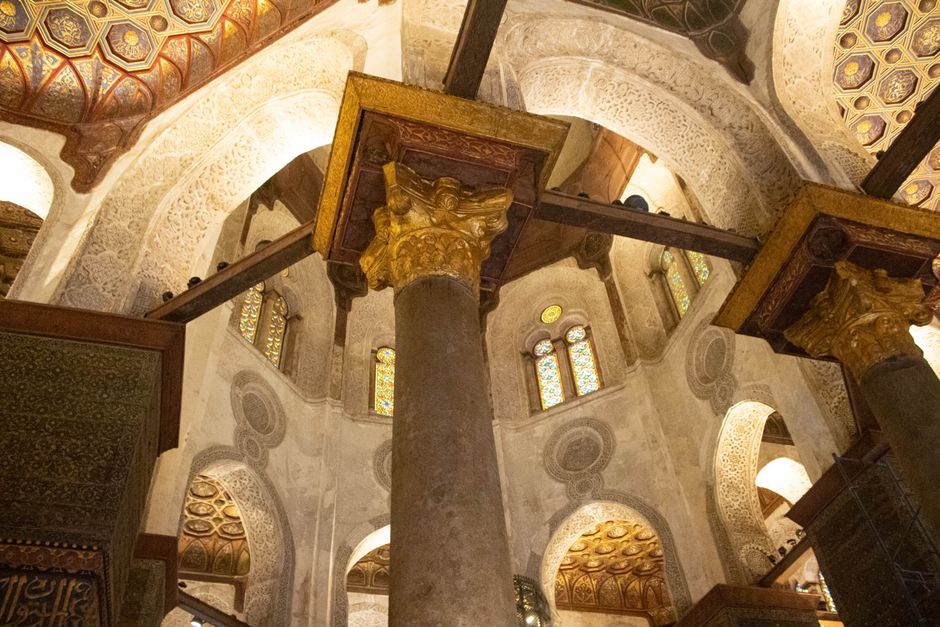
For visitors seeking authentic neighbourhood experiences, the Islamic Cairo Street Festival—typically held in June and early July around Khan El-Khalili and the surrounding medina—offers traditional crafts, street food stalls, and live classical Arabic music. Expect heavy crowds between 6pm and midnight, when locals and tourists mix freely. Navigating the narrow streets of Moez Street during festival hours requires patience, but the atmosphere is electric.
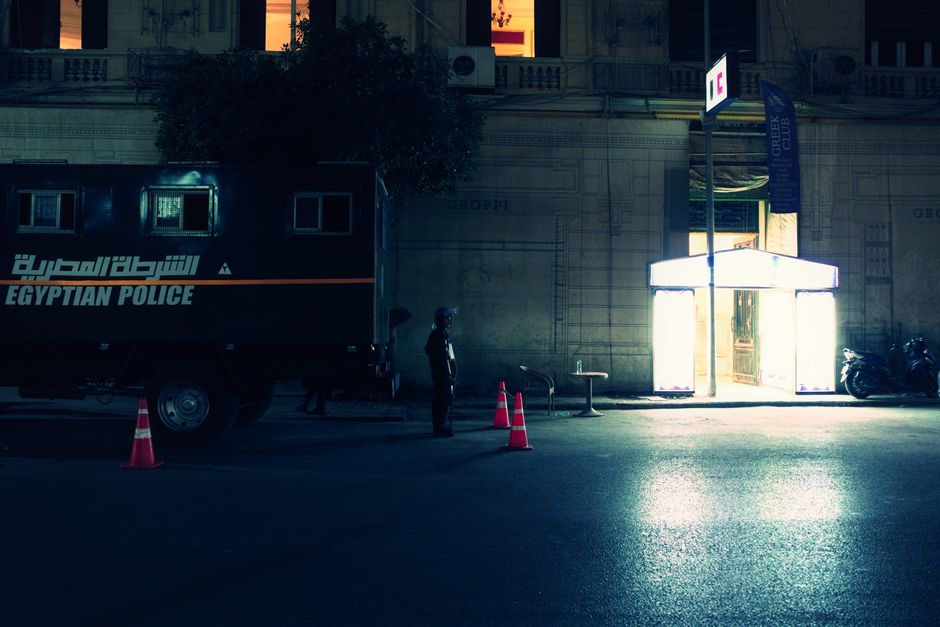
The Downtown Cairo Summer Nights initiative, promoted by local cultural NGOs, has transformed the neighbourhood around Tahrir Square and the surrounding cafés into informal performance spaces. Street musicians, poetry readings, and small theatrical productions happen organically most evenings—part of a broader effort to reclaim public spaces for cultural expression.
Practical advice: book accommodation near Zamalek or Heliopolis if you're visiting primarily for festivals, as these neighbourhoods offer better air-conditioned venues and quieter evenings. Many festivals lack advance ticketing; arrive early or check with venues like AUC's Ewart Hall or the Citadel's outdoor amphitheatre for scheduled programmes. Water and comfortable walking shoes are non-negotiable—Cairo's festival culture is increasingly pedestrian-friendly, but the city demands respect.
Summer heat shapes everything here. The best festivals start after 7pm and continue until midnight. Plan accordingly.
This article was compiled by AI and screened before publishing. See our editorial standards.