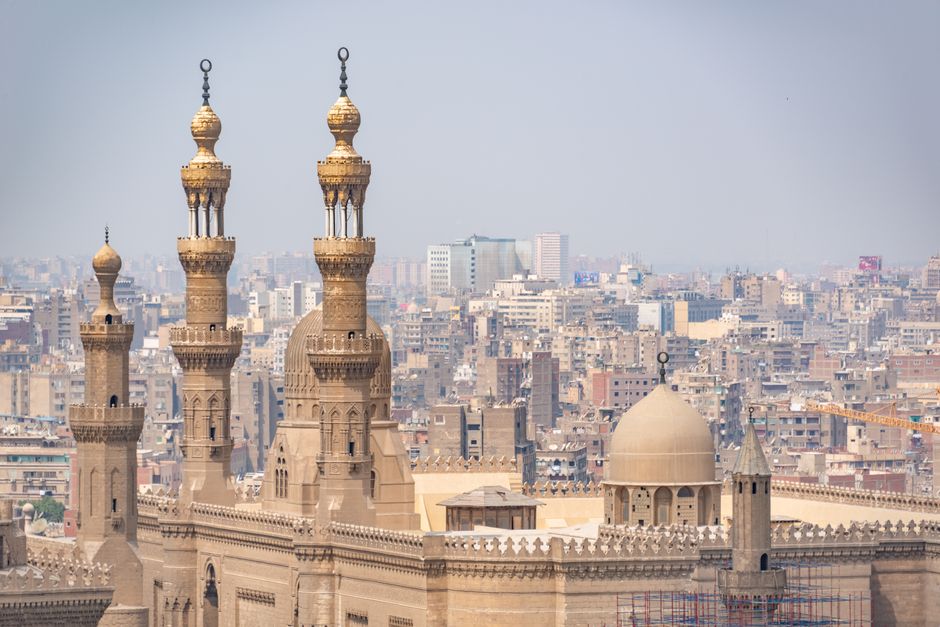
Walk through the narrow lanes of Islamic Cairo or browse the emerging food venues along the Nile's west bank, and you'll notice a subtle but unmistakable shift. The city's restaurant and bar culture, long dominated by established names and hotel concepts, is being quietly reimagined by a wave of younger operators who are more interested in storytelling than spectacle.
This emerging generation—many trained internationally but deeply rooted in Cairo's culinary traditions—is opening smaller, neighbourhood-focused establishments that prioritise technique, ingredient sourcing, and cultural narrative. Unlike the sprawling multi-concept venues that characterised Cairo's dining landscape through the 2010s, these new voices favour intimate spaces: a 20-seat tasting counter in Maadi, a beverage-focused bar in Garden City, a family-run kitchen in Heliopolis converting recipes passed down through generations into contemporary dining experiences.
The shift reflects broader changes in Cairo's food economics. According to hospitality consultants monitoring the sector, the average spend per head at emerging independent venues now sits between 250–400 Egyptian pounds, a deliberate positioning that challenges both the ultra-luxury hotel sector and fast-casual chains that have dominated middle-market dining. Younger operators are banking on loyalty and word-of-mouth rather than high turnover.
What distinguishes this cohort is their approach to Egyptian ingredients. Rather than importing trends wholesale, they're excavating local pantries—collaborating with farmers around Cairo's satellite cities, reviving heirloom varieties of vegetables, and applying contemporary cooking methods to street food traditions. A bartender working in Garden City might build a cocktail around local hibiscus or fermented ingredients sourced from family suppliers in the Delta. A chef in Zamalek might deconstruct kushari or mahshi, presenting familiar dishes through an unfamiliar lens.
Social media has accelerated discovery; Instagram has become an unofficial guide to Cairo's next-wave restaurants in ways traditional media never managed. Younger diners—particularly in their twenties and early thirties—now research venues by aesthetic and narrative before price or location.
The challenge facing these emerging voices remains capital and sustainability. Cairo's real estate pressures, unpredictable tourism flows post-pandemic, and the cost of maintaining quality ingredients present genuine barriers. Yet the momentum is visible: in the number of food-focused pop-ups launching monthly, the growing pool of Egyptian culinary school graduates choosing independent ventures over hotel careers, and the critical conversations happening around tables from Helwan to Heliopolis about what Cairo's food culture could become.
For those watching the city's cultural pulse, this kitchen revolution may ultimately prove more significant than any headline venue launch.
This article was compiled by AI and screened before publishing. See our editorial standards.