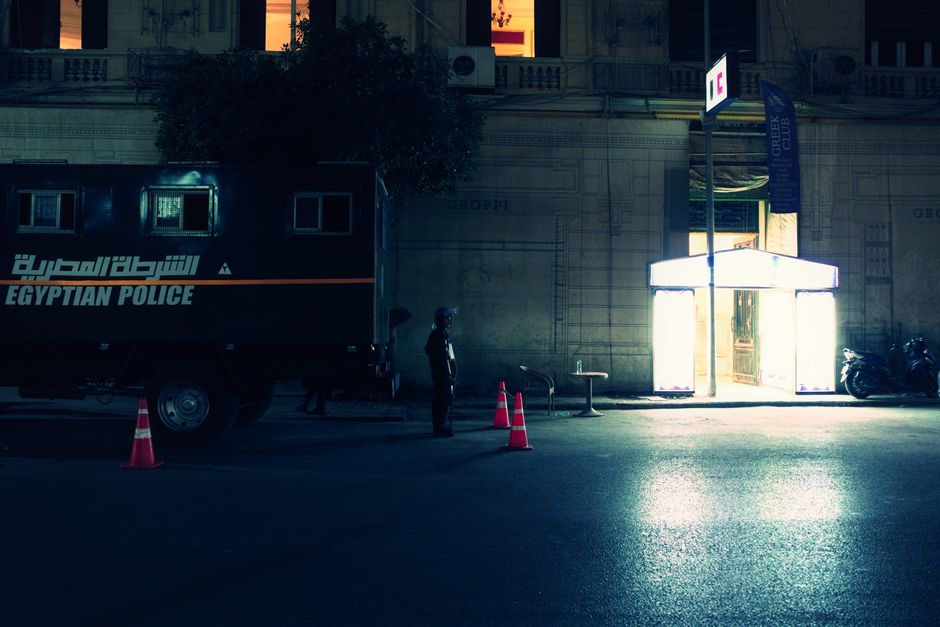
Walk down a narrow alleyway off Talaat Harb Street on any Thursday evening, and you'll hear it before you see it—the unmistakable hum of a city discovering itself through sound. The live music landscape of Cairo is undergoing a quiet revolution, one small venue, one independent curator, one fresh voice at a time.
The shift is palpable. While the grand stages of the Opera House and Citadel venues remain cornerstones of the cultural establishment, a network of scrappier, more experimental spaces is flourishing in neighbourhoods like Downtown, Zamalek, and Dokki. These aren't polished productions with stadium acoustics; they're intimate encounters where emerging artists test new material, blend genres fearlessly, and build genuine audiences rather than chase corporate sponsorships.
Independent music collectives have mushroomed across the city's cultural pockets. Venues operating with modest capacity—often 100 to 300 people—are becoming incubators for talent that might otherwise languish unheard. The economics are revealing: ticket prices average 150–350 EGP for emerging acts, a fraction of mainstream concert pricing, yet organisers report consistent sell-outs. This suggests hunger, not just nostalgia. Young Cairenes want authenticity.
The programming reflects Cairo's kaleidoscopic identity. You'll find neo-soul artists experimenting with Egyptian folk instrumentation, electronic producers drawing on mahraganat street beats, and indie songwriters singing in English, Arabic, and French within the same evening. Genre boundaries have become blurred almost to irrelevance—what matters is originality and emotional resonance.
Curators and musicians emphasise the role of social media and grassroots networks in building audiences. WhatsApp groups, Instagram Stories, and word-of-mouth still drive attendance far more effectively than traditional advertising. This decentralised approach has democratised who gets a platform and how. A 24-year-old bassist from Helwan can build a following without institutional gatekeeping.
The risks are real. Venues operate within regulatory grey zones; funding is precarious; technical infrastructure remains inconsistent. Yet artists and organisers persist, driven by something more vital than commercial logic—the belief that Cairo's next cultural moment is being shaped right now, in basement venues and rooftop studios, far from the spotlight.
For music lovers willing to venture beyond established circuits, the city has never offered more to discover. The next wave isn't waiting for permission. It's already playing.
This article was compiled by AI and screened before publishing. See our editorial standards.