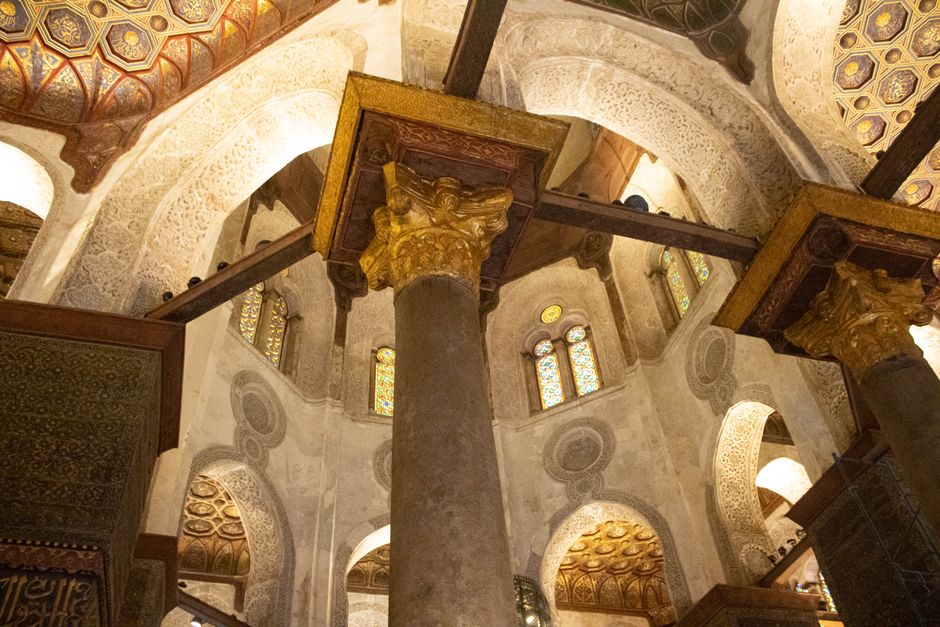
Walk through Islamic Cairo on any Friday afternoon and you'll encounter them: clusters of young people with notebooks and cameras, moving deliberately through the lanes of Khan el-Khalili and around the Al-Azhar mosque complex. They're part of something quietly revolutionary—a decentralised movement of heritage enthusiasts, many in their twenties and thirties, who are fundamentally shifting how Cairo's residents engage with their own cultural identity.
This isn't top-down institutional heritage work. These are neighbourhood-based collectives operating from modest storefronts and shared digital platforms. Groups like those organising walking tours through Zamalek's Belle Époque villas, or the volunteer archivists documenting oral histories in Sayeda Zeinab, are filling gaps that traditional museums have left open. The movement gained particular momentum over the past three years, with more than a dozen community-led initiatives now operational across central Cairo.
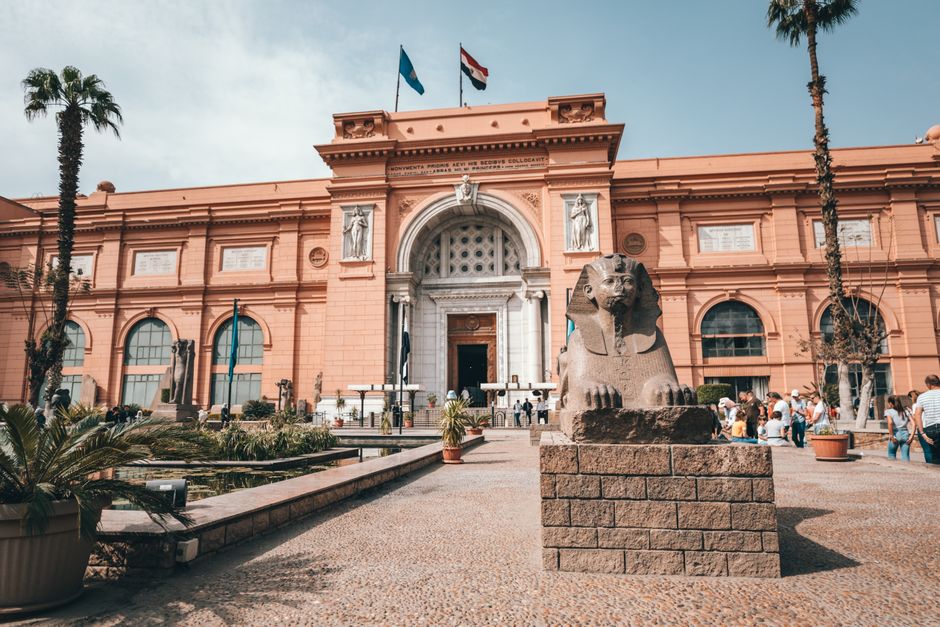
What distinguishes this shift is its democratic approach. Where the Egyptian Museum once held exclusive authority over narratives, these grassroots movements are decentralising historical interpretation. A collective based near Bab Zuweila has trained over 200 local residents as informal guides; another group operating from a café in Garden City has digitised thousands of family photographs spanning the 1920s through 1980s, creating publicly accessible archives of everyday life.
The economics matter too. Professional museum admission in Cairo ranges from 300 to 600 Egyptian pounds. These community initiatives operate on donations averaging 50 pounds per person, making heritage accessible across economic lines. Some operate entirely free, sustained by grant funding and volunteer labour.
The movement reflects something deeper: a generation frustrated with the gap between Cairo's global reputation and their lived experience of their own city. Many participants work in other sectors—a schoolteacher, a software developer, a healthcare worker—contributing evenings and weekends to this unpaid cultural work.
What emerges is a new model of cultural stewardship. Rather than positioning heritage as something to be preserved in amber, these communities treat it as living, contested, and rooted in present-day neighbourhoods. They're creating platforms where residents of Coptic Cairo, Islamic Cairo, and modern quarters can participate in constructing historical meaning, rather than consuming pre-packaged narratives.
By mid-2026, this movement has begun attracting international attention from heritage organisations. But locally, its impact feels more intimate—a quiet reorientation of how Cairenes see themselves reflected in their city's stones and stories.
This article was compiled by AI and screened before publishing. See our editorial standards.