Live Music Venues Cairo: How Promoters Built the Scene
Discover how Cairo's live music venues evolved from underground basements to rooftop stages. Meet the entrepreneurs who transformed the city's concert culture since 2015.
Discover how Cairo's live music venues evolved from underground basements to rooftop stages. Meet the entrepreneurs who transformed the city's concert culture since 2015.
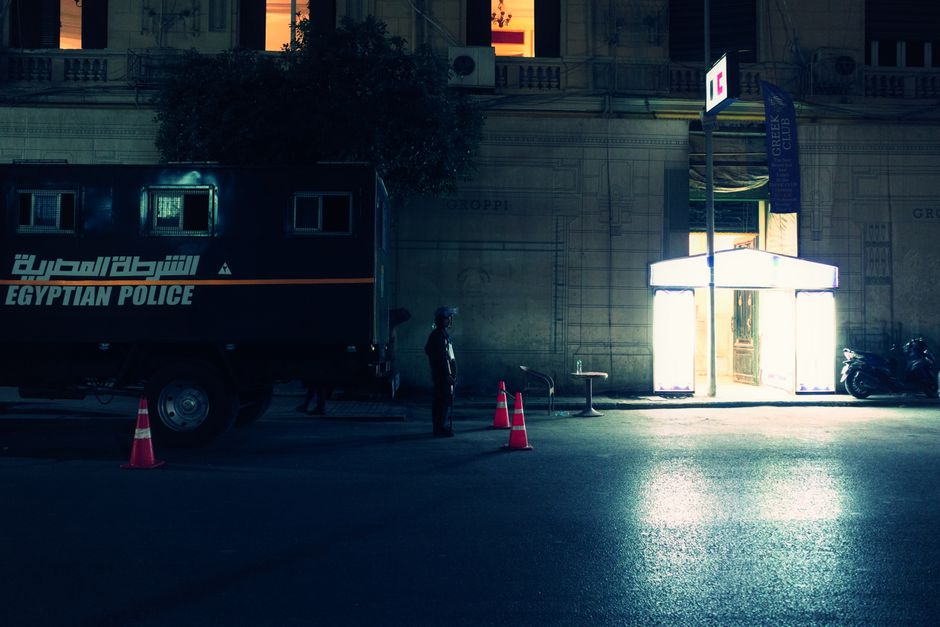
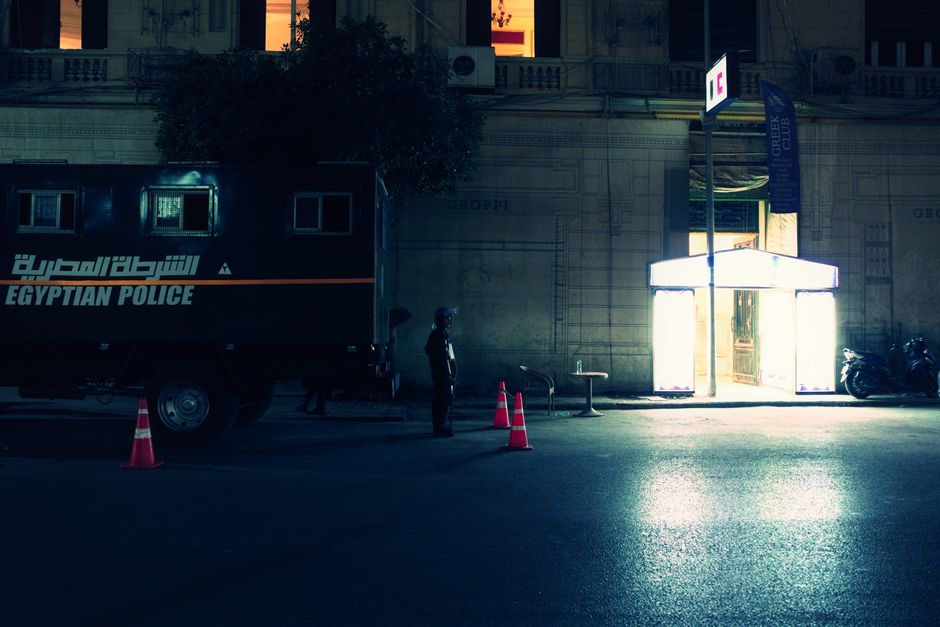
Walking through Downtown Cairo on a Thursday evening, you'll find music spilling from converted warehouses in Zamalek, intimate basement clubs tucked beneath colonial-era buildings, and rooftop venues strung with fairy lights overlooking the Nile. This landscape—now attracting international acts and drawing crowds of thousands—didn't emerge by accident. It was built by a small group of entrepreneurs and creative directors who saw possibility where others saw risk.
"In 2010, hosting live music in Cairo was still considered niche," recalls the history of the independent promoter network that emerged from the political and economic shifts of the early 2010s. The watershed moment came around 2015-2016, when a combination of currency stabilization and younger Cairenes' appetite for alternatives to large stadium concerts created unexpected momentum. Venues like those operating in the Garden City and Heliopolis neighbourhoods began experimenting with 300-400 capacity shows, where ticket prices hovered around 150-250 Egyptian pounds—affordable enough to build loyal audiences.
The infrastructure that exists today required navigation through bureaucratic licensing, acoustic challenges in heritage buildings, and the delicate task of cultivating artist relationships. Sound engineers who trained abroad returned to invest in equipment; venue operators negotiated with landlords in commercial districts; booking agents built networks with regional and international acts. By 2020, despite pandemic disruptions, Cairo's live music calendar had expanded to include weekly programming across at least fifteen venues of varying scales.
What distinguishes Cairo's scene from other Middle Eastern cities is its polyglot character. A single weekend might feature Egyptian indie rock acts in Maadi, North African hip-hop in New Cairo, jazz ensembles near the American University, and international touring bands at larger venues like those in the Sheikh Zayed City area. This diversity reflects the choices made by venue programmers and promoters who resisted pressure toward single-genre programming or purely commercial calculations.
The economic reality remains precarious. Margins are thin. Artist fees, rent, and operational costs consume most revenue. Yet a new generation of younger promoters continues entering the space, often combining venue management with record label operations or artist management. Educational initiatives have emerged, teaching aspiring sound technicians and event producers the practical skills necessary to sustain the ecosystem.
Today's Cairo concert-goer experiences the result of fifteen years of accumulated decisions by individuals willing to build infrastructure for an audience that might not exist yet. That faith—in the city's cultural hunger and in the possibility of creating gathering spaces—remains the true foundation beneath every stage.
This article was compiled by AI and screened before publishing. See our editorial standards.
How does this story make you feel?
Spread the word
About this article
Published by The Daily Cairo
Daily brief
Free, in your inbox before 7am. Weekdays.
More in culture