Cairo's Food Scene Now: Your Complete Guide to the Best Local Experiences Right Now
From hidden wine bars in Garden City to rooftop mezze spreads overlooking the Nile, here's where Cairo's dining culture is thriving in 2026.
From hidden wine bars in Garden City to rooftop mezze spreads overlooking the Nile, here's where Cairo's dining culture is thriving in 2026.
Cairo's restaurant and bar scene has undergone a quiet revolution over the past eighteen months. While international chains have proliferated, a parallel movement of independent venues—rooted in Egyptian culinary traditions and contemporary techniques—is reshaping how locals eat and gather. Right now, the momentum is unmistakably toward authentic, neighbourhood-driven experiences.
In Garden City, the restored heritage quarter near Tahrir Square has become the epicentre of Cairo's bar culture. Wine bars and craft cocktail lounges occupy century-old villas along Qasr Al-Nil Street, with prices ranging from 150–280 Egyptian pounds for standard drinks. These venues—many operating since late 2024—attract a mixed crowd of locals, expatriates, and international visitors seeking intimate conversation spaces. The neighbourhood's density of establishments means competition has driven quality upward; bartenders now regularly train at international venues, and wine selections increasingly feature North African producers alongside European imports.
Meanwhile, the rooftop dining phenomenon continues to dominate Zamalek and Dokki. Mezze-focused establishments with panoramic Nile views remain the gold standard for group gatherings, with shared plates typically costing 200–350 pounds per person. These venues thrive partly because they've embraced a social function beyond mere consumption: they function as extension lounges for professionals and families navigating Cairo's urban intensity.
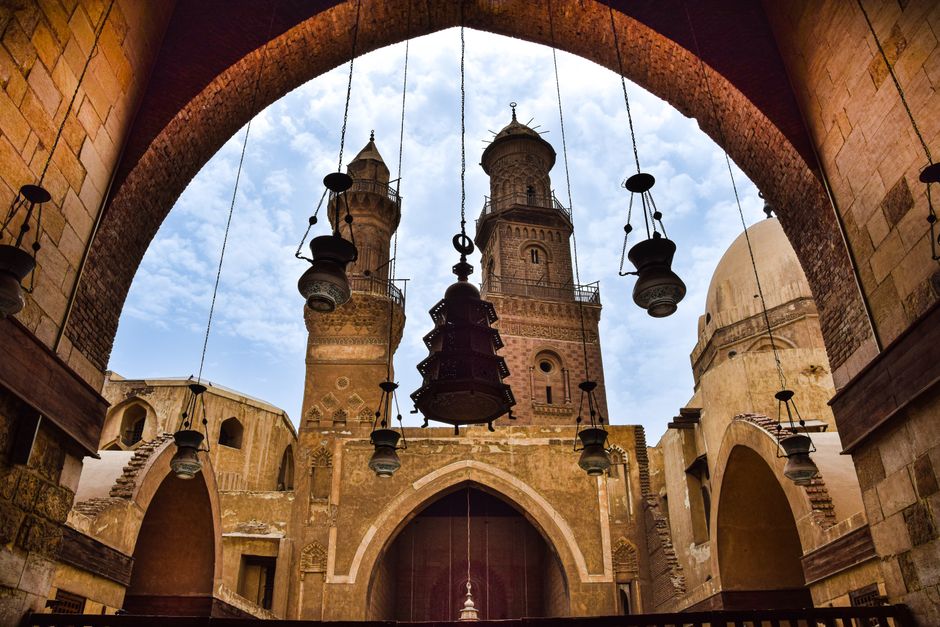
Islamic Cairo's food corridor—centred on Al-Muizz Street and radiating into Khan el-Khalili—has stabilised after significant change. Street food remains economical (koshari at 20–40 pounds, falafel sandwiches at 15–30 pounds), but established sit-down restaurants now operate alongside vendors. Quality consistency has improved; many establishments now display food safety certifications and maintain regulated seating areas. Tourist footfall has stabilised at pre-2024 levels, creating a more balanced atmosphere for locals seeking authentic fuul medames and ful sandwiches without overwhelming crowds.
New Alexandria-style seafood venues in Maadi and Helwan suburbs represent another emerging trend. These casual, family-oriented restaurants emphasise fresh catch and straightforward preparation, with main courses averaging 250–450 pounds. They've capitalised on Cairo residents' weekend migration patterns, offering alternatives to central congestion.
For serious food enthusiasts, pop-up supper clubs—organised through Instagram and private messaging—have proliferated. These intimate, chef-driven experiences typically accommodate 12–20 guests, with fixed menus priced between 400–700 pounds per person. They've become the city's culinary laboratory, where emerging chefs test ideas outside traditional restaurant structures.
The overarching pattern: Cairo's food culture is fragmenting productively. Rather than one dominant model, diverse venues now coexist—addressing different occasions, budgets, and social needs. This pluralism makes the current moment genuinely exciting for anyone seeking authentic local dining.
This article was compiled by AI and screened before publishing. See our editorial standards.
How does this story make you feel?
Spread the word
About this article
Published by The Daily Cairo
Daily brief
Free, in your inbox before 7am. Weekdays.
More in culture