Walk down Mohamed Mahmoud Street on any Friday evening and you'll notice something that would have seemed unlikely five years ago: queues outside converted warehouse galleries, young professionals lingering over contemporary paintings, and conversations about Egyptian artists commanding serious international attention. The city's arts ecosystem is experiencing a palpable shift, one that's rewriting assumptions about who visits galleries and what they expect to find.
The momentum centres on three overlapping developments. First, a new wave of artist-run and independent gallery spaces—particularly in the rapidly gentrifying pockets of Downtown Cairo—has democratised what was once an insular scene dominated by a handful of established institutions. Second, virtual viewing rooms and social media have introduced younger, digitally-native collectors to works they might never have encountered through traditional channels. Third, and perhaps most significantly, pricing has begun to shift. While established galleries near the American University in Cairo still command premium prices, emerging spaces are now offering works starting at 2,000–5,000 Egyptian pounds, making contemporary art acquisition conceivable for middle-class professionals.
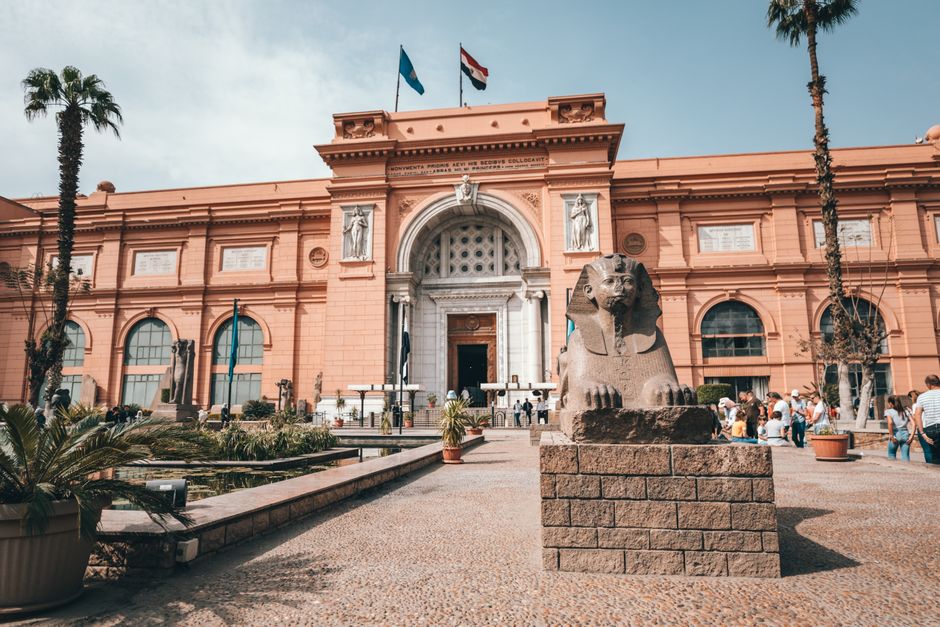
The Egyptian Museum's ongoing transformation—though glacially paced—has also rekindled public interest in institutional curatorial practice. Parallel to this, smaller museums like the Manial Palace have found renewed audience engagement by hosting thematic exhibitions that connect historical artefacts to contemporary conversations about identity and belonging.
What's particularly notable is the demographic composition of gallery visitors. Gone are the days when Cairo's art spaces catered primarily to expat communities and wealthy collectors. Recent visits to galleries clustered around Zamalek's 26th of July Street and Downtown's Salaah Salem corridor reveal a striking percentage of Egyptian visitors in their twenties and thirties, many visiting for the first time. Social media has played an undeniable role—hashtags documenting Cairo's gallery openings regularly trend locally, and young curators are leveraging Instagram to build audiences before opening physical spaces.
Yet conversations among cultural professionals reveal underlying tensions. Questions persist about equitable access, with some arguing that rising rents are already beginning to displace grassroots initiatives. There's also spirited debate about representation: whose stories are being told, and whose remain marginalised in the narrative of contemporary Egyptian art?
Regardless, something genuine is happening. For the first time in a generation, Cairo's arts galleries feel like spaces where conversations about the present moment—not merely historical preservation—are the main event.
This article was compiled by AI and screened before publishing. See our editorial standards.