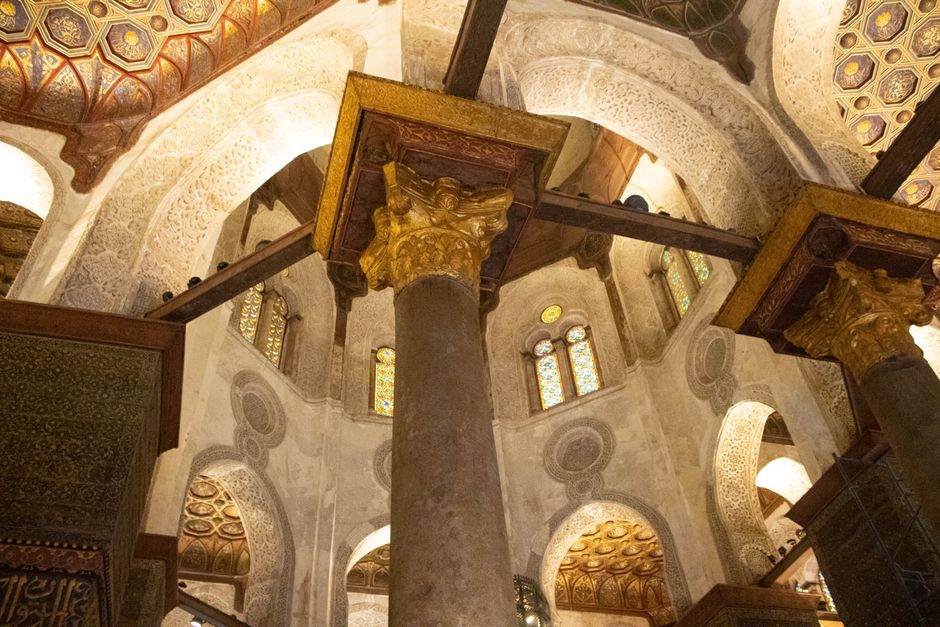
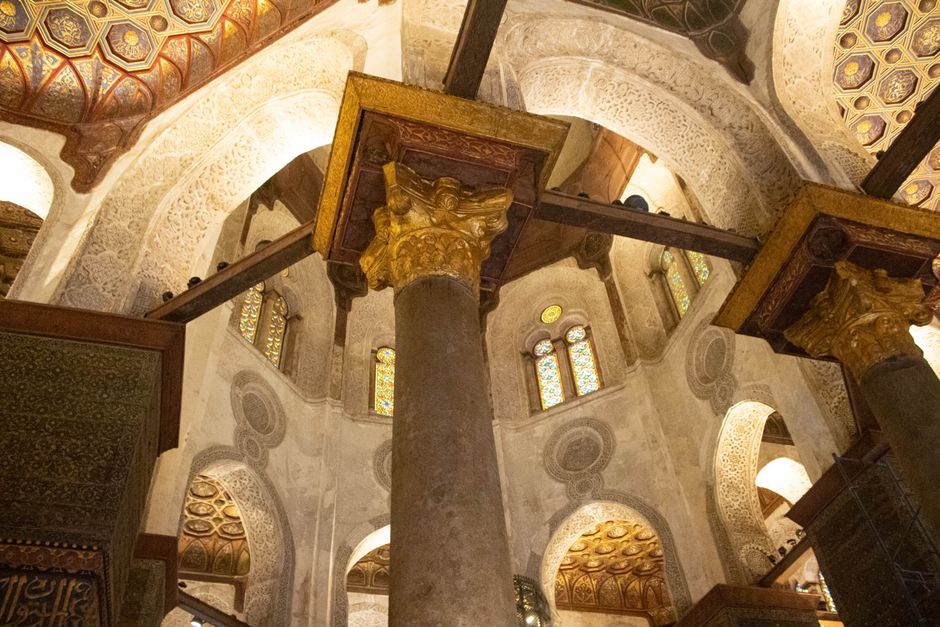
Walk through the cramped alleyways of Al-Gamaliya on any afternoon and you'll hear the conversation that has consumed Cairo's cultural circles for months: what happens when 14th-century architecture meets 21st-century real estate speculation?
The renewal push intensified dramatically this spring when a major Cairo-based development firm announced plans to rehabilitate over forty historic properties along Muizz Street, the UNESCO-listed artery that runs through the heart of Islamic Cairo. Initial reports suggested rent increases of 300 to 400 percent for existing residents—a figure that has alarmed the neighborhood's largely working-class population of artisans, small merchants, and families who have occupied these buildings for generations.
"This is different from renovation," says Amina Hassan, coordinator for the Darb al-Ahmar Heritage Foundation, speaking about the trend. "When speculators come, residents leave. Then the soul of the neighborhood dies."
The tension reflects a broader anxiety gripping Cairo's cultural establishment. Property values in Islamic Cairo have tripled since 2018, driven partly by international tourism recovery and partly by young Egyptian professionals seeking "authentic" urban living. Coffee shops and design studios have begun appearing alongside spice merchants and traditional brass workshops. A cup of espresso in a converted 16th-century merchant's house now costs 85 Egyptian pounds—more than a day's wage for some residents.
Local organizations have escalated their advocacy. The American Research Center in Egypt and the Egyptian Heritage Task Force jointly issued a preservation statement warning that rapid gentrification threatens the living cultural practices that make these neighborhoods historically significant. The Cairo governorate's Heritage Protection Department has begun stricter enforcement of restoration guidelines, though critics argue the measures lack enforcement teeth.
What makes this moment particularly charged is timing. As Cairo prepares to celebrate its millennium as a capital city, this gentrification crisis forces an uncomfortable question: who does heritage preservation serve? Museum visitors and international investors, or the residents whose daily lives comprise the neighborhood's actual culture?
Several residents' associations in Darb al-Ahmar have drafted formal complaints, while the Syndicate of Engineers has questioned whether development projects meet conservation standards. Meanwhile, property transactions continue. Last month alone, twelve historic residential buildings changed hands in Al-Gamaliya.
The conversation happening in Cairo right now isn't abstract. It's about whether the neighborhoods that shaped Islamic civilization can survive their own historical significance.
This article was compiled by AI and screened before publishing. See our editorial standards.