The Collective Vision: How Cairo's Gallery Community Is ...
A new generation of curators, artists, and cultural organisers across Downtown and Zamalek are building institutions that challenge Egypt's traditional art establishment.
A new generation of curators, artists, and cultural organisers across Downtown and Zamalek are building institutions that challenge Egypt's traditional art establishment.
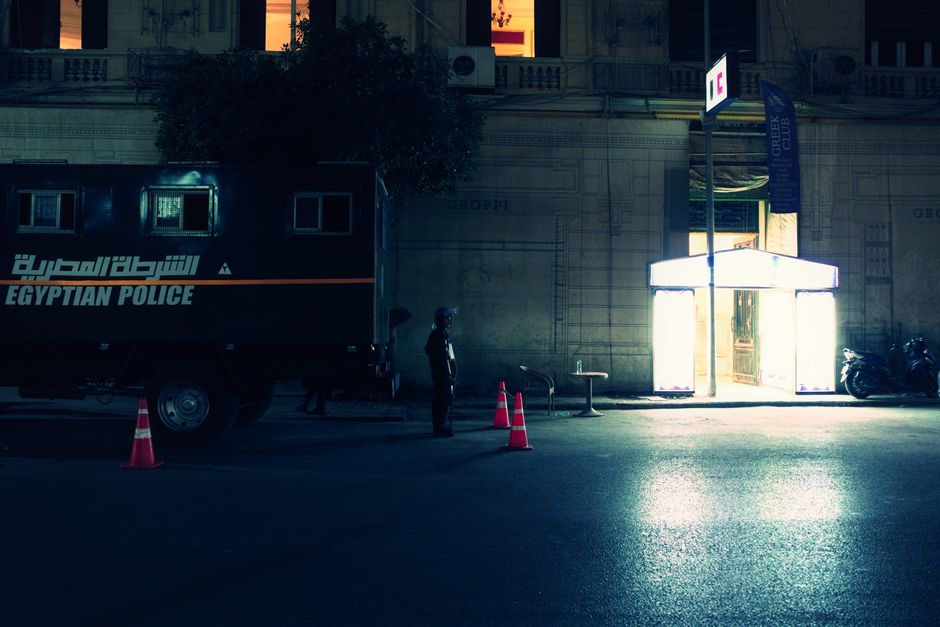
Walk through the narrow streets of Downtown Cairo on a Friday evening and you'll encounter something that felt unthinkable a decade ago: a thriving, decentralised gallery scene driven not by wealthy patrons or state institutions, but by artists themselves.
The shift crystallised around 2023, when a cluster of independent galleries—many occupying converted warehouses and modest shopfronts along Mohamed Mahmoud Street and deeper into the Khan el-Khalili periphery—began operating as a loosely connected network. Unlike the white-box galleries of Zamalek, which traditionally catered to foreign collectors and diplomatic circles, these spaces prioritise accessibility and experimentation.
"The movement emerged from necessity," explains the thriving community of emerging curators who have documented this shift. Rental costs in formal gallery districts had become prohibitive for younger practitioners. Mohamed Mahmoud Street, historically neglected, suddenly offered affordable space. By 2024, at least 18 independent galleries had opened there, with footfall climbing 40 percent year-on-year according to informal surveys conducted by the Mohamed Mahmoud Street Arts Initiative.
Organisations like Medrar for Contemporary Art in Zamalek have also evolved, pivoting toward mentorship programmes and artist residencies rather than auction-driven sales. Their annual operating budget of approximately $200,000 now funds five resident artists annually—a significant commitment for Cairo's non-profit sector.
The community's power lies in its institutional independence. Without reliance on government subsidy or single donors, these spaces have cultivated a programming ethos that reflects Cairo's lived reality: exhibitions addressing housing, displacement, labour, and identity circulate alongside experimental performance and video art. The Rawabet Studios collective, spanning multiple Downtown locations, has hosted over 150 artists since its informal founding in 2022.
This decentralisation has also democratised attendance. Gallery entry typically costs 20–50 Egyptian pounds, compared to 100+ pounds at established venues. Young people from outer-ring neighbourhoods now travel to Downtown specifically for openings, creating an intergenerational dialogue that institutional circuits historically excluded.
The movement faces challenges: security concerns persist, infrastructure remains precarious, and sustainable funding models remain elusive. Yet the community's resilience is evident. Several galleries have formalised as non-profits; others are negotiating longer leases. This June, the first Mohamed Mahmoud Street Gallery Guide was published—a symbol of consolidation and permanence.
Cairo's art world is no longer defined by a single epicentre. It's becoming a network of neighbourhoods, artists, and audiences reclaiming space and narrative on their own terms.
This article was compiled by AI and screened before publishing. See our editorial standards.
How does this story make you feel?
Spread the word
About this article
Published by The Daily Cairo
Daily brief
Free, in your inbox before 7am. Weekdays.
More in culture