Cairo's Fashion Schools Are Going Global—And Young Designers Are Finally Getting Noticed
A wave of emerging talent from the city's design institutes is breaking through internationally, sparking real conversation about Egypt's creative economy.
A wave of emerging talent from the city's design institutes is breaking through internationally, sparking real conversation about Egypt's creative economy.
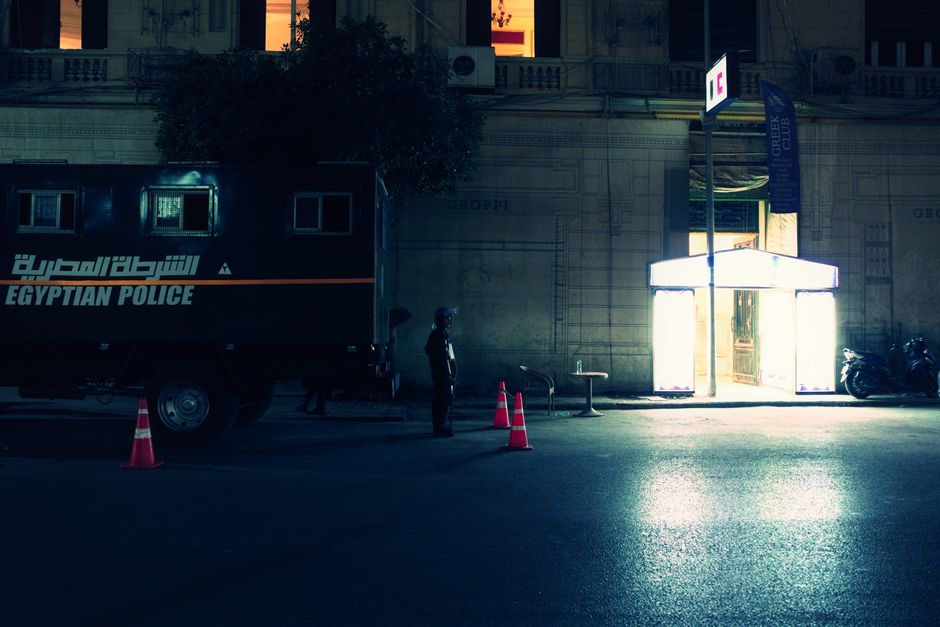
Walk through the narrow streets of Islamic Cairo or into the Design District around Zamalek these days, and you'll notice something shifting. Fashion students are exhibiting their work in pop-up galleries along Talaat Harb Street. Design collectives are popping up in renovated workshops in Coptic Cairo. And for the first time in years, there's genuine buzz—both locally and abroad—about what Egypt's fashion students are creating.
The conversation crystallised recently when three graduates from the American University in Cairo's fashion design programme secured placement in a Paris-based luxury incubator, and a collective of five designers from Helwan University mounted a show that caught the attention of buyers from Dubai and Istanbul. These aren't isolated wins. According to the Egyptian Fashion Designers Association, export orders from emerging designers have grown 34 percent in the past 18 months, a notable shift in an industry that has historically struggled to compete beyond domestic markets.
What's driving this momentum? Partly, it's infrastructure. The proliferation of affordable studio spaces in neighbourhoods like Maadi and Garden City has lowered barriers to entry. A shared design studio now rents for roughly 800–1,200 Egyptian pounds monthly, down from double that five years ago. Digital tools and social media have democratised visibility—young designers can now build portfolios and reach international audiences without traditional gatekeepers. But it's also cultural. There's a tangible pride in Egyptian aesthetics right now: heritage textiles, traditional embroidery techniques, and Cairo's layered architectural influences are being woven into contemporary pieces that feel authentic rather than derivative.
Established institutions deserve credit too. The Fashion and Textile Industry Council, headquartered near the Cairo Opera House, has begun offering mentorship programmes connecting students with established manufacturers and exporters. The British University in Egypt launched a fashion business accelerator last year that has already supported 12 startups.
Not everyone is optimistic. Production costs remain high, and Egypt's fashion industry still lacks the robust supply chains and trade agreements that rivals like Morocco and Tunisia enjoy. Many young designers cite difficulty securing startup capital—a persistent obstacle in the local investment ecosystem.
Still, when you see a designer from Ain Shams University being featured in a Beirut fashion magazine, or hear a Cairo-trained pattern-maker discussing their new role at a Turkish textile firm, the energy feels genuinely different. The conversation has shifted from whether Egypt has fashion talent to whether the infrastructure can keep pace with ambition.
This article was compiled by AI and screened before publishing. See our editorial standards.
How does this story make you feel?
Spread the word
About this article
Published by The Daily Cairo
Daily brief
Free, in your inbox before 7am. Weekdays.
More in culture