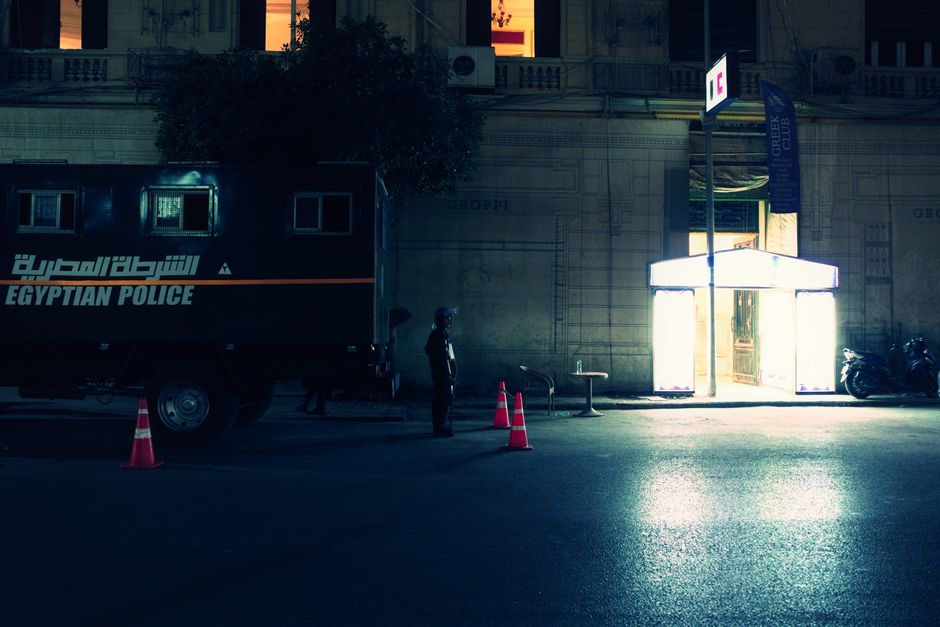
Walk down Talaat Harb Street on any Thursday evening and you'll notice something that felt impossible just eighteen months ago: queues forming outside intimate music venues, smartphone screens glowing with ticket confirmations, and a palpable sense that live entertainment in Cairo is no longer an afterthought.
The shift is real and measurable. Venues operating across downtown Cairo—particularly in the Garden City and Zamalek districts—are reporting attendance figures up roughly 40% compared to 2024, according to informal surveys among venue operators. More tellingly, the demographic has shifted dramatically younger. Where concert-goers once skewed toward older, more affluent audiences with international tastes, venues are now drawing crowds of Cairenes in their late teens and twenties who want affordable, locally-rooted programming.
The economics matter here. A ticket to most shows now ranges between 50 and 150 Egyptian pounds—roughly $1.60 to $5—making live music accessible to middle-class Egyptians in ways it hasn't been for years. This pricing strategy, combined with a proliferation of smaller, grassroots venues replacing larger corporate-controlled spaces, has fundamentally altered who feels welcome at a concert.
What's driving this? Partly, it's logistical. The opening of new independent venues in converted historic buildings throughout downtown has reduced the gatekeeping that characterized Cairo's live music scene when a handful of large hotels monopolized programming. But it's also generational. Young Egyptians increasingly crave locally-produced music and experimental performance art—from indie rock to electronic producers to experimental hip-hop—rather than relying solely on touring international acts.
Neighbourhood venues in Heliopolis and Maadi have similarly benefited, though downtown remains the gravitational center. Social media has amplified word-of-mouth in ways that circumvent traditional media channels, meaning a successful show at a 150-capacity venue can generate buzz across Cairo within hours.
There's fragility here too. Infrastructure remains inconsistent—sound quality varies wildly, and licensing regulations remain Byzantine enough to discourage some operators. Yet the momentum is undeniable. For the first time in years, asking a Cairene what they're seeing this weekend might prompt conversation about a live performance rather than a resignation that nothing interesting is happening.
That conversation itself signals something shifting in how this city experiences culture.
This article was compiled by AI and screened before publishing. See our editorial standards.