Walk through Khan El-Khalili's narrow lanes today and you'll find QR codes alongside centuries-old spice merchants. This collision between old and new defines Cairo's cultural identity in 2026—a city where the echoes of its past inform its most innovative creative ventures.
The story begins in the 16th century, when the bazaar emerged as more than commerce; it was Cairo's cultural nerve centre. Storytellers gathered in coffeehouses like Fishawi, established in 1773, where poets recited verse and merchants debated politics over mint tea. These spaces—humble yet transformative—shaped how Egyptians understood themselves. Today, Fishawi still operates, attracting locals and tourists alike, though a single coffee now costs 45 Egyptian pounds, a far cry from Ottoman simplicity.
The mid-20th century brought seismic shifts. Nasser's Egypt saw culture become weaponised—cinema, music, and theatre served nationalist ideology. Cairo's film industry, centred around Zamalek and Gezira, produced golden-age classics that defined Arab popular culture. That legacy remains potent; the Cairo International Film Festival, established in 1976, still draws major productions and international delegations each November.
But the internet age demanded reinvention. By the early 2010s, grassroots movements emerged. Neighbourhood galleries in Downtown Cairo—particularly around Abdeen and Muhammad Mahmoud Street—hosted young artists challenging state narratives. The 2011 revolution accelerated this: creative spaces became political statements. Street art transformed previously ignored alleyways into open-air galleries, though many pieces faced erasure or censorship.
Today's Cairo scene reflects hard-won maturity. The Townhouse Gallery in Zamalek, founded in 1998, now hosts international exhibitions alongside emerging local talent. Meanwhile, independent bookshops like Diwan continue thriving despite e-commerce pressures. Cultural organisations report approximately 2.3 million annual visits to Cairo's museums and heritage sites—a 40% increase since 2019.
Yet challenges persist. Rapid urban development threatens historic neighbourhoods. The government's New Cairo projects, while economically ambitious, risk diluting cultural continuity. Preservation efforts by bodies like the Egyptian Heritage Alliance operate with limited funding against relentless pressure.
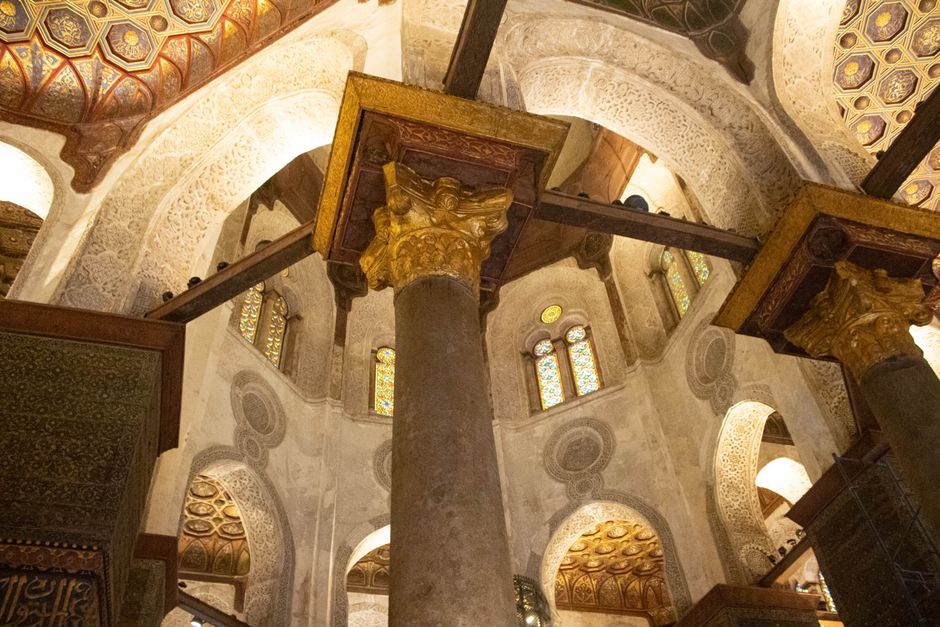
What distinguishes Cairo's cultural evolution is resilience through contradition. The same city that preserves Fatimid-era madrasas embraces digital-native creators. Street vendors in Khan El-Khalili Instagram their wares. Young musicians sample classical Um Kulthum over electronic beats.
This isn't cultural confusion—it's survival. Cairo's creative identity wasn't inherited; it was fought for, negotiated, and rebuilt repeatedly. That hard-won authenticity remains its greatest asset as the city navigates an uncertain future.
This article was compiled by AI and screened before publishing. See our editorial standards.