Cairo's Festival Calendar Is Redefining What It Means to Be Creative in the City
From Zamalek's art weeks to Garden City's performance seasons, the capital's event landscape is reshaping cultural identity amid economic and social complexity.
From Zamalek's art weeks to Garden City's performance seasons, the capital's event landscape is reshaping cultural identity amid economic and social complexity.
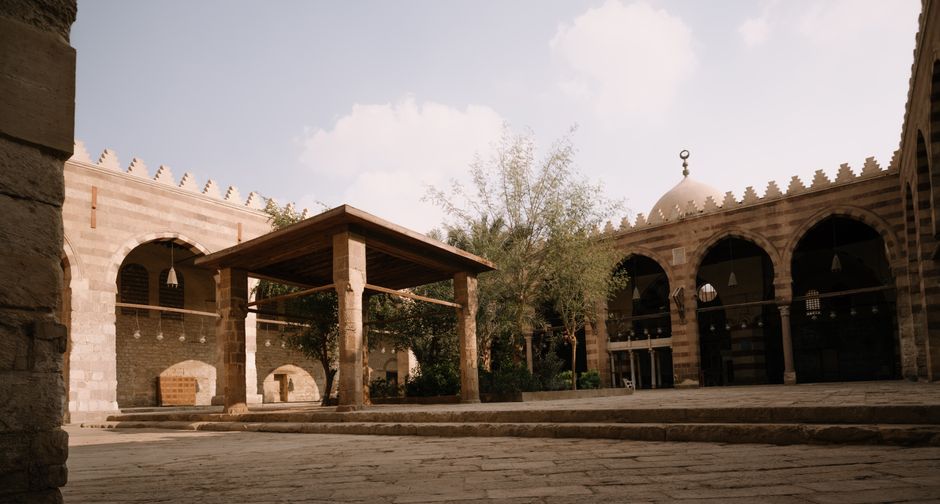
Walk through Downtown Cairo on any given Friday evening, and you'll encounter a city in creative ferment. The rooftops of Khan el-Khalili pulse with independent film screenings. Gallery spaces tucked behind the Ottoman facades of Islamic Cairo host emerging video artists. Meanwhile, the American University's Ewart Hall in Tahrir hosts chamber concerts that draw audiences willing to navigate the city's notorious traffic patterns.
This constellation of cultural events—many launched or significantly expanded over the past three years—has become far more than a calendar fixture. It's actively reshaping Cairo's identity at a moment when the city faces competing pressures: rapid urbanisation, economic strain, and an international perception often dominated by headlines about security or political turbulence.
The shift is particularly visible in Zamalek, where the annual Zamalek Art Weeks (held each April and October) has become a showcase for contemporary practice. Local galleries, independent studios, and artist collectives open their doors for week-long programming that attracted an estimated 15,000 visitors during last autumn's edition. The event deliberately positions Cairo not as a heritage destination mining pharaonic narratives, but as a living creative hub.
Similarly, the Cairo Opera House's expanded summer programming—stretching from June through August—has become a marker of cultural ambition. This year's season includes classical Arab music, contemporary dance, and experimental theatre, reflecting an appetite among Cairo's audiences for artistic risk-taking that extends beyond traditional forms.
What's striking is how these events cluster around specific neighbourhoods, creating micro-ecosystems of creative activity. Garden City hosts independent theatre companies performing in converted colonial villas. Heliopolis has become home to a growing number of design festivals and maker spaces. Even Maadi, long perceived as suburban and quieter, now hosts seasonal music festivals and literary events that draw participants from across the metropolitan area.
For a city of nearly 20 million people, where cultural infrastructure remains unevenly distributed and ticket prices ($15-40 for most events) price out large populations, this decentralisation matters. It signals that cultural identity isn't concentrated in single institutions but emerging through networked, neighbourhood-based activity.
The pandemic disrupted this momentum significantly, but the recovery has been swift. Organisers report that attendance at major festivals has rebounded to pre-2020 levels, with younger audiences—particularly those aged 18-35—driving new engagement patterns. Social media has transformed how these events build audiences, democratising access to information about Cairo's cultural calendar in ways that traditional advertising structures never achieved.
As the city continues to evolve, these festivals increasingly function as cultural anchors—spaces where Cairenes assert creative agency and imagine their city beyond the narratives that dominate global headlines.
This article was compiled by AI and screened before publishing. See our editorial standards.
How does this story make you feel?
Spread the word
About this article
Published by The Daily Cairo
Daily brief
Free, in your inbox before 7am. Weekdays.
More in culture