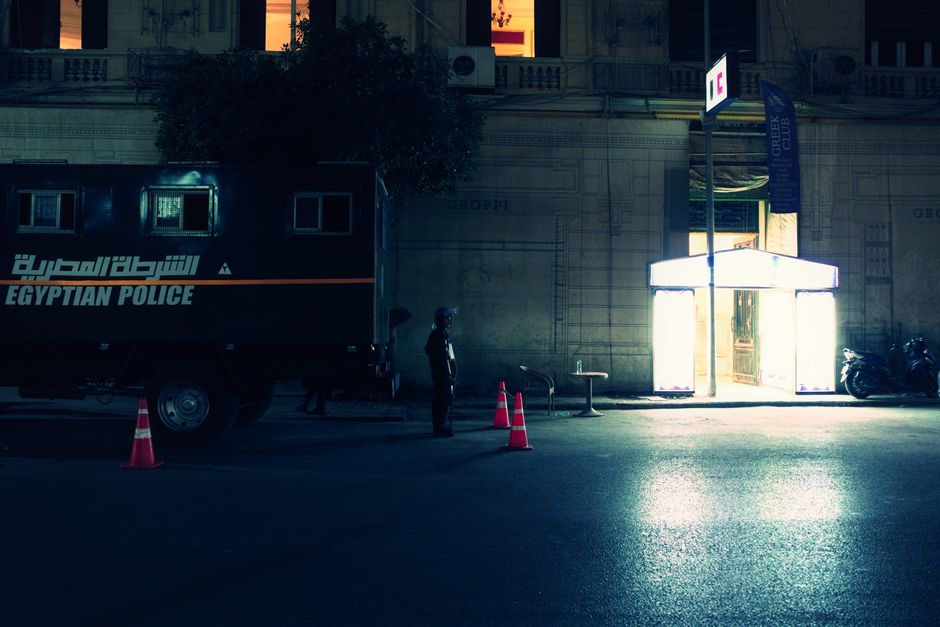
Walk through Downtown Cairo on any Thursday evening and you'll encounter a cultural pulse that feels distinctly different from a decade ago. The neighbourhood's warehouse conversions—particularly along Mohamed Mahmoud Street and around the American University in Cairo—have become unexpected anchors for a city actively reinventing its artistic identity beyond the pharaonic narratives that have long defined its museums.
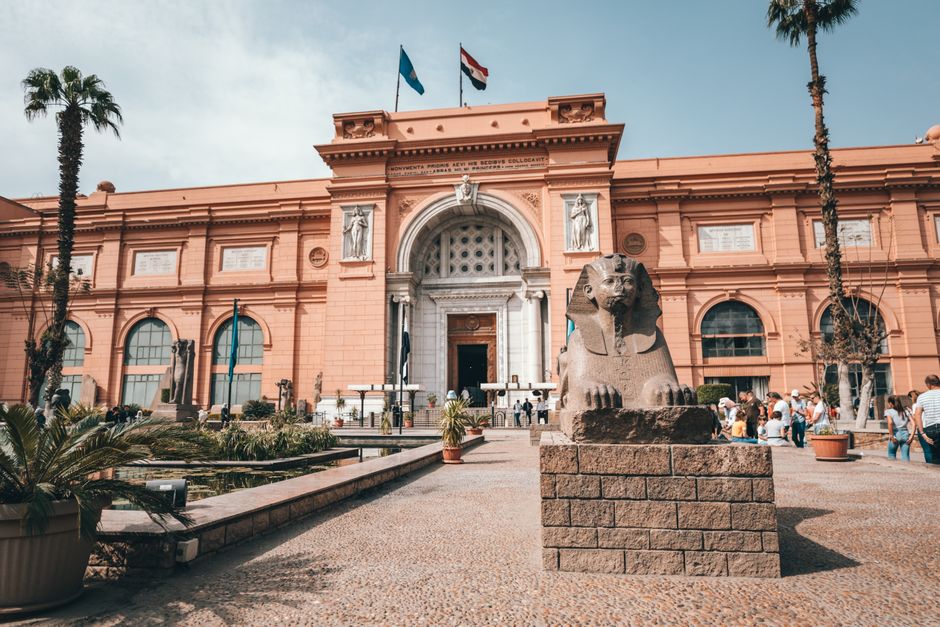
The shift is tangible. While the Egyptian Museum on Tahrir Square remains iconic, independent galleries now rival institutional spaces in shaping public conversation about contemporary art. Spaces like those clustered in the Zamalek district and emerging venues in the Heliopolis neighbourhood have collectively become more influential in determining what "Cairo culture" means to younger Egyptians and international audiences alike.
Recent data suggests the shift is economically significant. Cairo's independent gallery sector has grown approximately 40% in visitor numbers over the past three years, according to informal surveys among venue operators. Average admission prices range from free to 150 Egyptian pounds for major exhibitions, making contemporary art more accessible than traditional museum visits, which often cost double that amount.
This diversification matters culturally. Where once Cairo's identity was almost exclusively tethered to Pharaonic Egypt and Islamic heritage, today's galleries showcase video installations examining urban migration, textile works engaging with diaspora identity, and experimental pieces confronting water scarcity and climate anxiety. The art being exhibited—and the spaces exhibiting it—reflect a city grappling with immediate, complex contemporary realities.
The neighbourhood of New Cairo has emerged as a second hub, with several high-end galleries opening in developments near the American International University. Meanwhile, initiatives in less affluent areas like Imbaba are attempting to democratise access, though funding remains inconsistent. Street art in Khan el-Khalili has evolved from tourist decoration into a genuinely contested creative space, with muralists engaging with local politics and identity in ways that gallery spaces sometimes cannot.
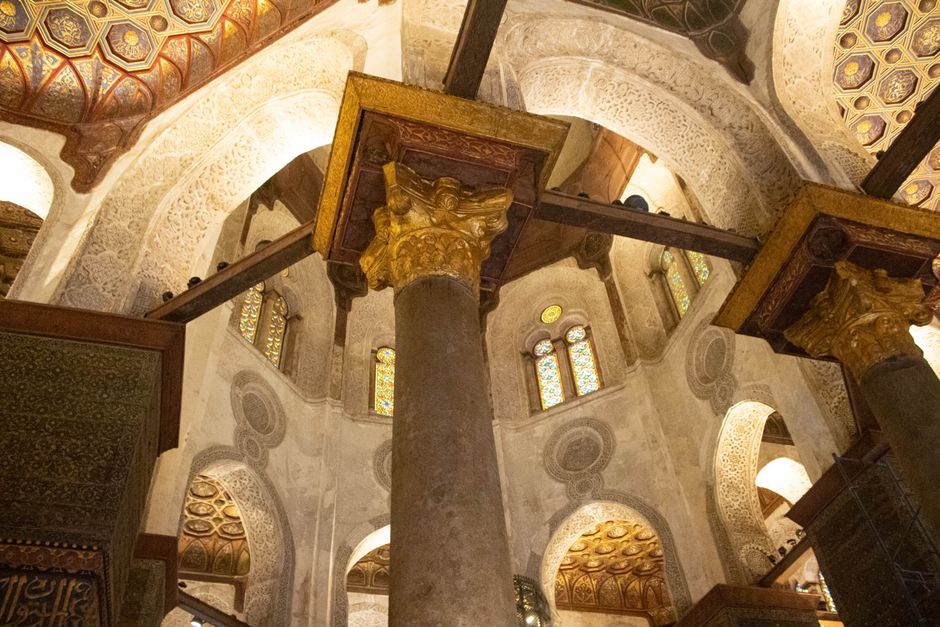
Museum directors acknowledge the competition. Institutions are adapting—rotating collections more frequently, hosting artist talks, and collaborating with independent curators. The newly renovated wings at the Museum of Islamic Art on Bab el-Khalq now feature contemporary artists in dialogue with historical pieces, suggesting an institutional shift toward contextualising heritage within present-day creative practice.
What's emerging is a Cairo cultural identity that refuses singular definition. This complexity—galleries and museums coexisting, competing, occasionally collaborating—reflects the city itself: layered, contested, impossible to reduce to any single narrative. That messiness, increasingly, is what defines contemporary Cairo culture.
This article was compiled by AI and screened before publishing. See our editorial standards.