Cairo's Living Archives: How Heritage Conservation is Reshaping the City's Creative Soul
From Islamic Cairo to Garden City, a new generation of artists and curators is mining local history to forge a distinctly Egyptian cultural identity.
From Islamic Cairo to Garden City, a new generation of artists and curators is mining local history to forge a distinctly Egyptian cultural identity.
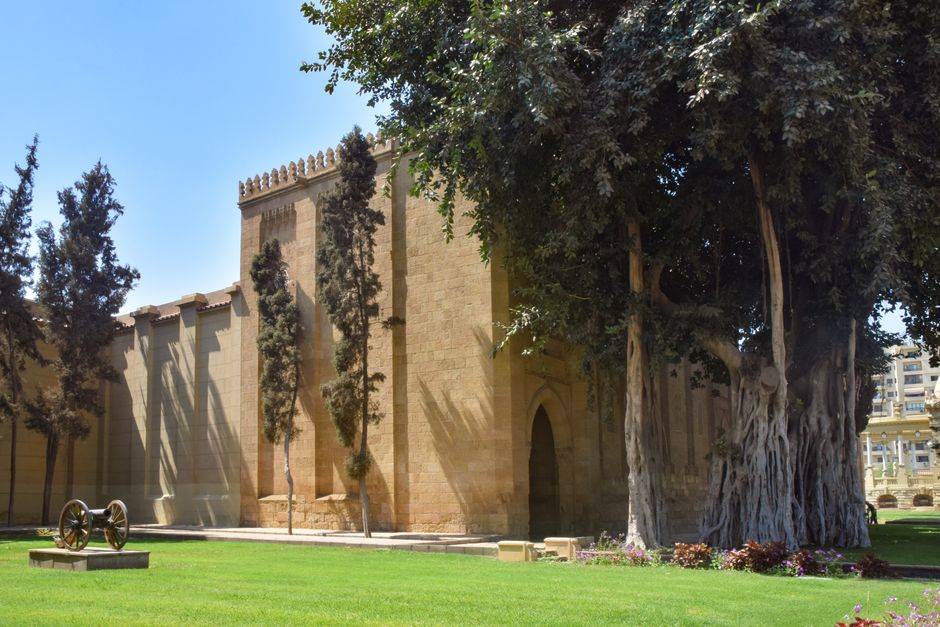
Walk down Al-Muizz Street on a Friday evening and you'll witness Cairo's cultural transformation firsthand. Where tourist crowds once dominated, young Egyptian filmmakers, visual artists and musicians now occupy restored khans and heritage spaces, transforming centuries-old merchant houses into experimental galleries and production studios. This reclamation of heritage isn't nostalgia—it's becoming the beating heart of the city's contemporary creative identity.
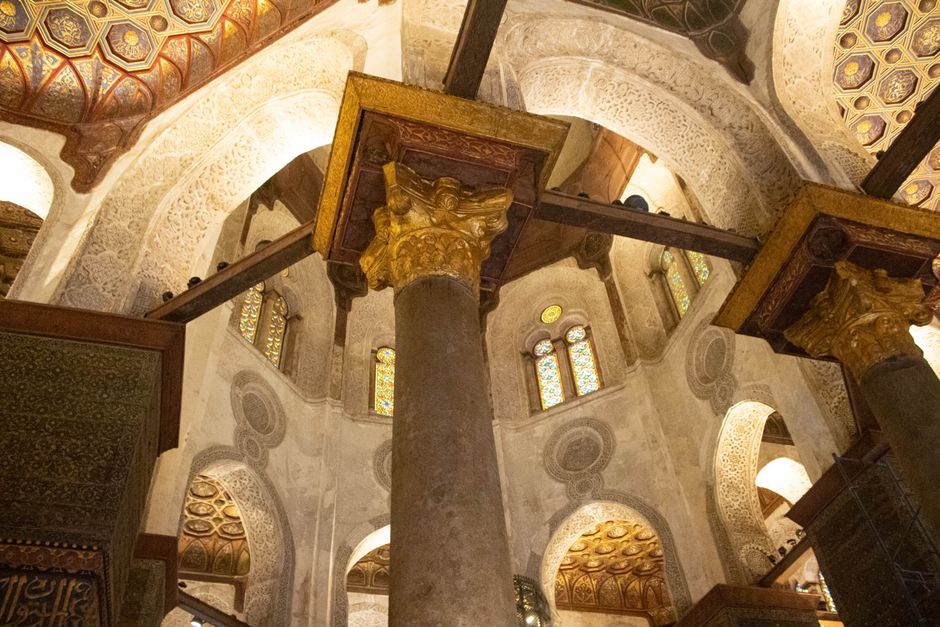
The shift gained momentum following the establishment of the Cairo Heritage Conservation Initiative in 2022, which documented over 1,200 at-risk structures across Islamic Cairo, Garden City and Zamalek. Today, venues like the restored Al-Hakim Mosque precinct and emerging creative hubs in 19th-century townhouses are hosting regular exhibitions, film screenings and music performances that deliberately weave Cairo's layered past into present-day artistic practice.
"Heritage isn't background decoration anymore," explains the programming at spaces like Townhouse Gallery in Downtown Cairo, where emerging artists increasingly reference Fatimid architecture, Mamluk craftsmanship and early-modern Egyptian modernism in their work. Monthly attendance at heritage-focused cultural events has grown 35% since 2024, according to data from the Cultural Development Fund.
This phenomenon extends beyond visual arts. Independent labels and producers based in neighbourhood studios across Heliopolis and Maadi are incorporating traditional instruments—the oud, ney, and tabla—into electronic music compositions, creating a distinctly Cairo-rooted sound that resonates across MENA streaming platforms. Musicians cite the city's architectural rhythms as literal inspiration, translating street geometries and historical layering into sonic structures.
The economic implications are significant too. Heritage tourism now represents 18% of Cairo's cultural economy, but more importantly, it's created sustainable livelihoods. Young entrepreneurs have launched over 80 small enterprises—from heritage-focused publishing houses to artisanal craft workshops—within conservation zones, anchoring creatives in their own city rather than seeking opportunities abroad.
Yet challenges persist. Only 12% of identified heritage structures have received conservation investment, and gentrification pressures threaten resident communities in revitalized areas. The tension between preservation and accessibility remains contested among Cairo's creative class.
Still, the momentum is undeniable. As Cairo's artists, musicians and curators dig deeper into their city's archaeological layers—literally and metaphorically—they're discovering that cultural identity isn't imported or manufactured. It emerges from the ground itself, embedded in stone and memory, waiting to be activated by each new generation.
This article was compiled by AI and screened before publishing. See our editorial standards.
How does this story make you feel?
Spread the word
About this article
Published by The Daily Cairo
Daily brief
Free, in your inbox before 7am. Weekdays.
More in culture