Walk down Gezira Street in Zamalek today and you'll encounter a gallery landscape utterly transformed from the one that existed just two decades ago. Cairo's art scene—once dominated by the monolithic Egyptian Museum and state-sponsored institutions—has undergone a dramatic democratisation, becoming a patchwork of independent galleries, artist collectives, and experimental spaces that reflect the city's turbulent political evolution.
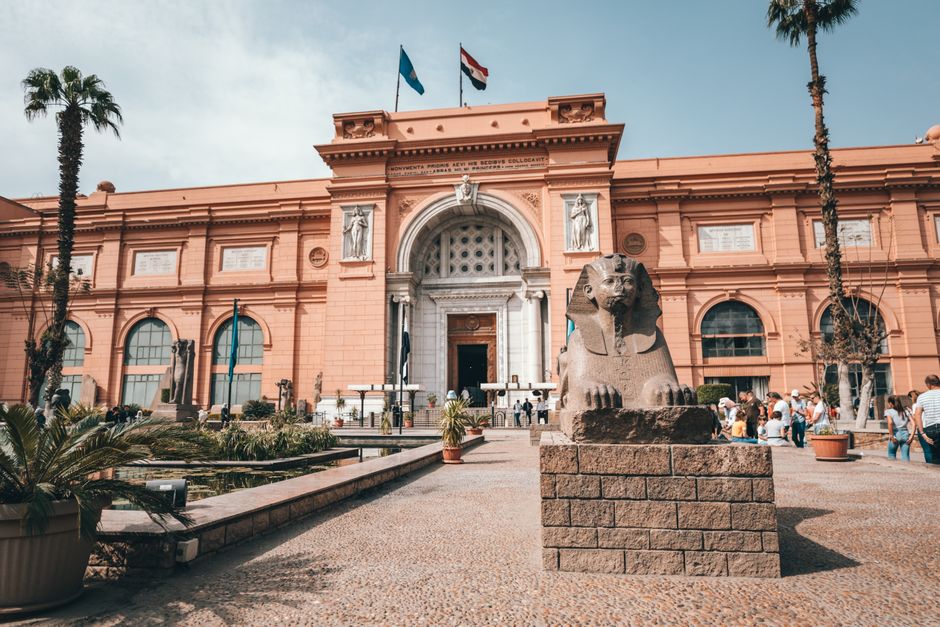
The story begins with the grand colonial project. The Egyptian Museum, established in 1902 on Tahrir Square, represented a particular vision of culture: a centralized temple of national heritage, its treasures locked behind glass in climate-controlled halls. For nearly a century, this model held. The Opera House, renovated in its modern form in 1988 following a devastating fire, became another pillar of state-sanctioned culture. Museums like the Coptic Museum and the Islamic Art Museum reinforced this top-down curatorial framework.
The real shift came after 2011. As political movements challenged state control across sectors, the art world followed suit. Young curators and artists, operating with minimal budgets, began converting apartments and warehouses into gallery spaces. Khan el-Khalili evolved beyond a tourist bazaar into a legitimate venue for contemporary work. Meanwhile, neighbourhoods like Downtown Cairo—long dismissed as economically depressed—became incubators for alternative culture. The Townhouse Gallery of Contemporary Art and initiatives like Zamalek Art Fair emerged not from institutional mandates but grassroots enthusiasm.
By 2020, estimates suggested Cairo hosted over 80 registered galleries and counting, compared to perhaps a dozen significant venues in 2005. Prices have democratised too; entry fees to independent galleries typically range from free to 50 EGP, making contemporary art accessible beyond elite circles. The biennial Cairo International Video Art Festival, launched in 2003 but gaining prominence only recently, now draws international audiences and legitimises video and digital media as serious art forms.
Yet the old and new coexist tensely. State institutions remain dominant in funding and prestige. The Grand Egyptian Museum, opened in 2021 near the Giza Plateau, represents the latest iteration of the centralised model—magnificent but still distinctly top-down. Independent galleries, meanwhile, operate precariously, reliant on private patronage and artist cooperatives.
Today's Cairo art scene reflects this duality: a city where colonial-era museum hierarchies still anchor cultural legitimacy, yet where a vibrant alternative ecosystem thrives in converted storefronts and artist collectives. The evolution isn't finished. As younger curators demand more accountability and accessibility, Cairo's galleries continue redefining what cultural ownership means in a region perpetually grappling with whose stories get told, and who gets to decide.
This article was compiled by AI and screened before publishing. See our editorial standards.