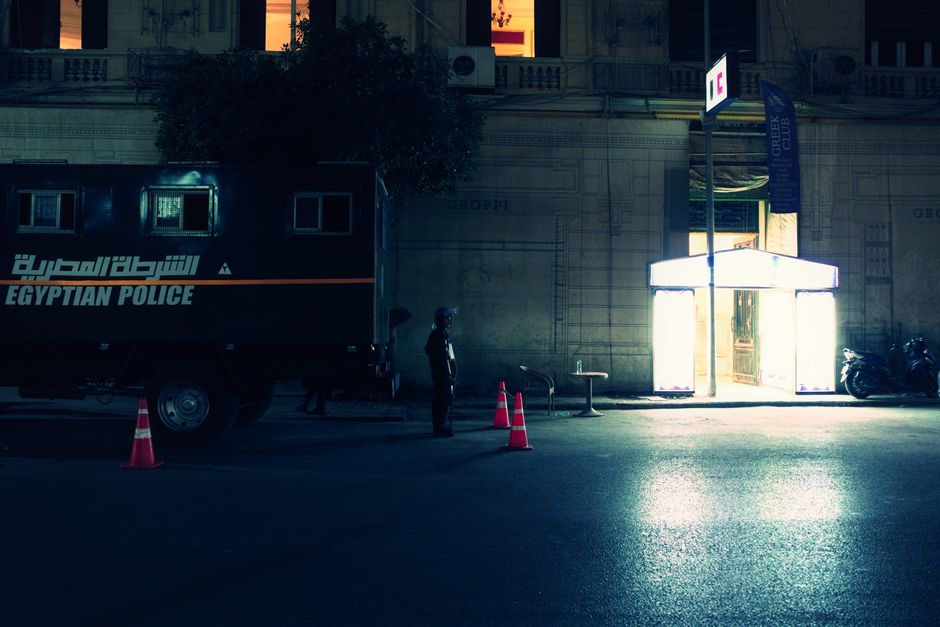
Walk through the narrow streets of Downtown Cairo on any given evening, and you'll encounter a cultural energy that feels distinctly contemporary—yet deeply rooted in the city's artistic DNA. The proliferation of independent film venues, experimental theatre spaces, and performing arts collectives across neighbourhoods like Zamalek, Garden City, and the revitalised downtown corridor tells a story about how Cairo is actively constructing its cultural identity in 2026, one performance at a time.
The numbers tell part of this story. Over the past eighteen months, more than a dozen new performance spaces have opened across the city, with ticket prices ranging from 50 to 300 Egyptian pounds—making theatre and cinema accessible to middle-class Cairenes in ways that felt impossible a decade ago. Venues along Mohamed Mahmoud Street and in the Cairene Quarter have become cultural hubs, hosting everything from avant-garde dance to documentary screenings that engage directly with contemporary Egyptian realities.
What distinguishes this moment is not merely the infrastructure, but the content and conversations emerging from these spaces. Independent theatre collectives and film organisations are increasingly using their platforms to interrogate Egyptian identity—addressing displacement, economic pressures, generational divides, and the complexities of living in a megacity of over 20 million people. This isn't theatre or cinema performing Egypt for international audiences; it's Cairo speaking to itself.
The Cairo International Film Festival, while maintaining its prestigious status, has been complemented by grassroots screening initiatives and year-round programming that keeps international and local cinema in constant dialogue. Meanwhile, experimental theatre groups have moved beyond traditional venues entirely, creating site-specific performances in abandoned buildings and public squares—reclaiming neglected urban spaces as stages for cultural expression.
This creative ferment reflects a broader shift in how younger Egyptians—many born after 2000—are asserting cultural authority. They're not waiting for institutional validation or foreign funding; they're building alternative systems, collaborating across disciplines, and using performance as a form of urban citizenship. The work being produced challenges simplistic narratives about Cairo, presenting the city in all its contradiction and vitality.
For a metropolis historically defined by its historical monuments and political weight, this theatrical and cinematic renewal offers something equally significant: a contemporary cultural identity that belongs to present-day Cairenes. In theatre halls and independent cinemas across the city, Cairo is actively writing its own story—one performance at a time.
This article was compiled by AI and screened before publishing. See our editorial standards.