Cairo isn't a museum you visit—it's a living palimpsest where ancient Egypt, Islamic Cairo, and modern urban life collide on the same street corner. Before arriving, understand this: the city's identity isn't singular. It's Pharaonic, Islamic, Coptic, and Arab simultaneously, and that complexity is precisely what makes it essential.
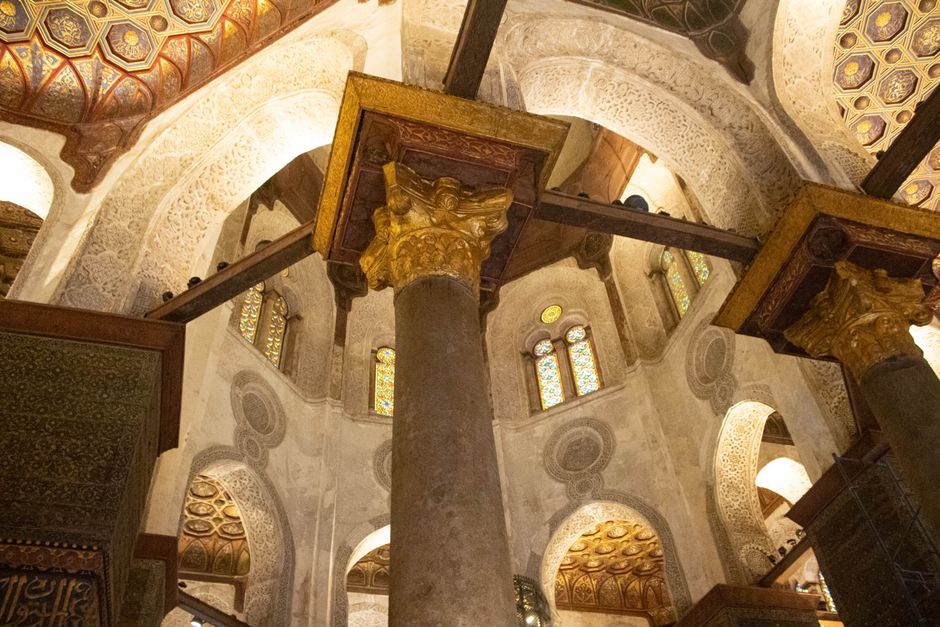
Start in Islamic Cairo, the UNESCO-protected medieval quarter stretching from Bab Zuweila gate southward. The neighbourhoods around Khan el-Khalili bazaar and Al-Moez Street contain over 600 historically significant monuments crammed into roughly two square kilometres. The Al-Hakim Mosque, completed in 1013 CE, anchors the northern section; its recent restoration (completed 2013) reveals intricate stone carving that shouldn't be missed. Expect crowds, narrow alleys, and relentless hawkers selling everything from spices to knockoff designer bags. Budget three to four hours minimum, wear comfortable shoes, and bring water.
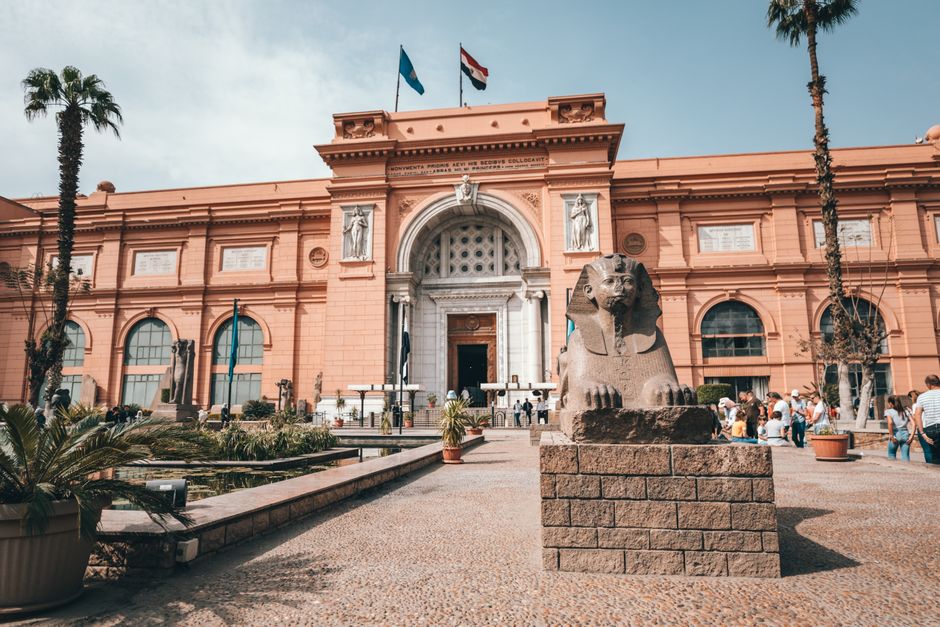
The Egyptian Museum in Tahrir Square remains essential despite ongoing renovations to its facilities. The mummy collections and Tutankhamun galleries draw roughly 1.5 million visitors annually, making early morning visits (gates open 9 AM) strategically wise. Admission costs approximately 240 Egyptian pounds for international visitors. Photography restrictions apply in certain galleries.
For Coptic heritage, the Coptic Cairo enclave south of Islamic Cairo contains some of Christianity's oldest churches, including the Hanging Church (Al-Muallaqa) and the Church of St. Sergius, where tradition holds the Holy Family sheltered during their Egyptian flight. This neighbourhood demands respectful dress and awareness of prayer times; plan visits outside midday and Friday prayers.
North of downtown, the Citadel of Saladin dominates the skyline and houses the magnificent Muhammad Ali Mosque, whose Ottoman architecture contrasts sharply with earlier Islamic styles. The vista from the Citadel over central Cairo at sunset justifies the admission price (80 Egyptian pounds) and the walk uphill.
Crucially, understand that Cairo's identity crisis—if you can call it that—reflects Egypt's own. The city simultaneously celebrates Pharaonic grandeur (evident in museum collections and nationalist iconography), Islamic intellectual heritage (the Al-Azhar University, founded 970 CE, still functions as one of Islam's most influential institutions), and Coptic continuity (Christian Egyptians have inhabited this land for 1,900 years). Visitors who treat these narratives as separate rather than interwoven miss Cairo's essential character.
Visit during October through April when temperatures stay below 30 degrees Celsius. Learn basic Arabic greetings—locals appreciate the effort. Book reputable guides; the Cairo Tourism Authority maintains vetted lists. Most importantly: slow down. Cairo rewards patience.
This article was compiled by AI and screened before publishing. See our editorial standards.