Cairo's Living Archives: How Heritage Preservation Is Reshaping the City's Creative Soul
As young artists reclaim Islamic Cairo's forgotten quarters, the city's creative identity is being rewritten through the lens of its own past.
As young artists reclaim Islamic Cairo's forgotten quarters, the city's creative identity is being rewritten through the lens of its own past.
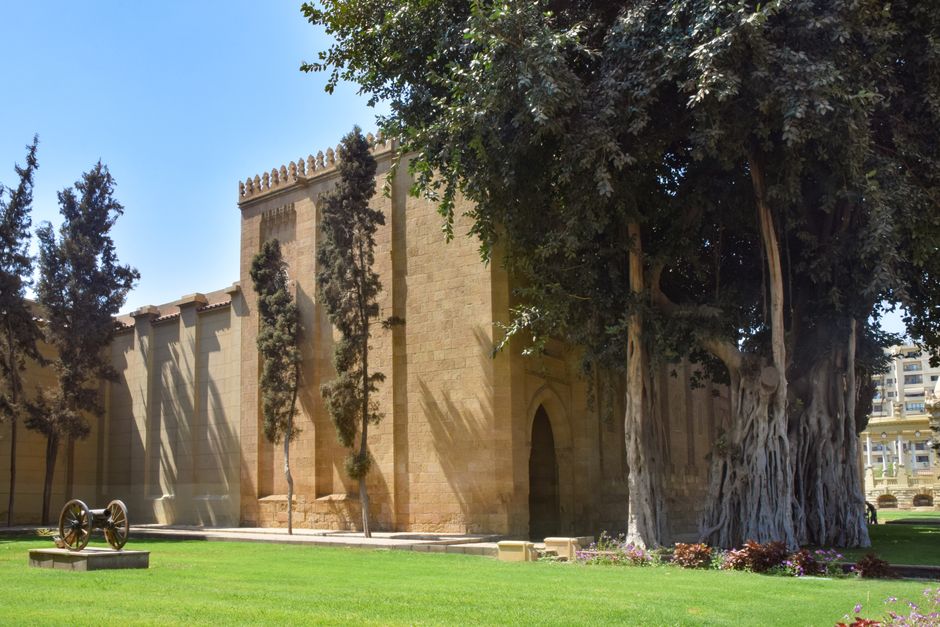
Walk through the narrow lanes of Islamic Cairo on any Friday evening and you'll encounter something that defies the city's reputation for chaotic cultural nostalgia. In renovated 15th-century mansions along Al-Moez Street, emerging artists are staging installations and film screenings. In Al-Gamaliya, design collectives occupy heritage buildings that were crumbling five years ago. The transformation isn't accidental—it's fundamentally reshaping how Cairo understands itself.
The shift crystallised around 2023 when the Egyptian government's heritage restoration initiative gained traction, combined with grassroots efforts from organisations like the Association for the Protection of the Egyptian Heritage and younger creative entrepreneurs. Today, the creative economy in these neighbourhoods generates roughly 2.3 billion Egyptian pounds annually, according to informal sector estimates, with galleries, studios, and cultural spaces clustering densely in Darb al-Ahmar and surrounding historic quarters.
"What's happening is not gentrification masquerading as preservation," explains the thriving independent curator and archivist community working in these spaces. Rather, it's local artists—many priced out of central Zamalek and Garden City—discovering that their city's physical history can become their creative laboratory. A painter might work in a studio built into a 16th-century caravanserai. A documentary filmmaker might screen work in a restored Ottoman courtyard. The heritage doesn't frame the creativity; it dialogues with it.
The numbers tell part of the story. Young creative professionals aged 25-40 now comprise 67% of the cultural workforce in Islamic Cairo, compared to 41% in 2018. Visitor numbers to heritage-adjacent cultural venues have grown 340% over the same period, though still modest compared to global standards at roughly 1.2 million annually across all sites.
What distinguishes this moment is the deliberate entanglement of Cairo's identity with its own layered past. The city isn't merely preserving—it's actively asking what creativity means when your studio walls are 600 years old. When you're designing contemporary ceramics in a space where artisans worked under the Mamluks. When your artistic voice emerges from stones that witnessed generations before you.
This is no museum culture. It's messier, more contested, occasionally precarious. But it reveals something essential: Cairo's creative future is being written by those willing to read—and reimagine—what came before.
This article was compiled by AI and screened before publishing. See our editorial standards.
How does this story make you feel?
Spread the word
About this article
Published by The Daily Cairo
Daily brief
Free, in your inbox before 7am. Weekdays.
More in culture