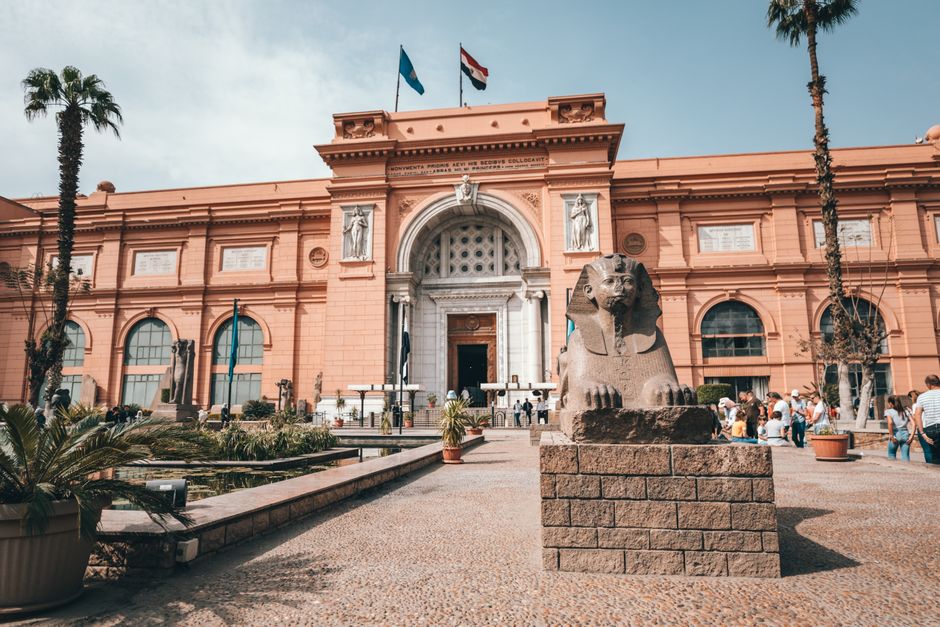
When the Egyptian Museum first opened its doors on Tahrir Square in 1902, it represented the pinnacle of Cairo's cultural aspirations—a cathedral of antiquity designed to impress European visitors and establish Egypt's place within the global cultural hierarchy. Yet today's Cairo art scene would be unrecognizable to those early patrons. The transformation from museum-centric to democratized, digitally-connected creative landscape reveals a city constantly negotiating between its illustrious past and urgent contemporary voice.
The mid-twentieth century saw the emergence of artist collectives in Garden City and Zamalek, where studios tucked into villa compounds fostered experimental work away from state oversight. The 1970s and 1980s brought the Gezira Centre for Modern Art and the launch of Cairo's first independent galleries along 26th of July Street—modest spaces where a generation of painters, sculptors, and performance artists could exhibit without institutional gatekeeping. Entry fees rarely exceeded 50 Egyptian pounds, making art accessible to middle-class audiences discovering contemporary practice.
The real seismic shift came after 2011. Downtown Cairo, particularly around Khan el-Khalili's periphery and the emerging creative district near the Opera House, became incubators for street art, pop-up galleries, and artist-run cooperatives. Young curators began operating from converted warehouses in Ain Shams and converted apartments in Heliopolis, bypassing traditional institutional structures. The Cairo Contemporary gallery network expanded to include venues like Zamalek's Townhouse Gallery and the nomadic AUC galleries, which collectively attracted over 40,000 visitors annually by the early 2020s.
Digital transformation accelerated this democratization. Cairo-based artists now showcase work through platforms like Artboard and local Instagram collectives reaching audiences far beyond physical gallery walls. The annual Cairo Biennial, launched in partnership with international museums, positioned the city as a serious player in global contemporary discourse—not merely as custodian of antiquity but as generator of cutting-edge art.
Yet challenges persist. Gallery concentration remains heaviest in affluent Zamalek and Garden City neighborhoods, with working-class communities in Imbaba and Rod al-Farag underrepresented in both exhibitions and curatorial discourse. Climate concerns threaten heritage sites. Many independent galleries operate precariously, dependent on expatriate patronage and tourism revenue.
Still, Cairo's arts evolution—from colonial showpiece to grassroots creative powerhouse—reflects a city asserting cultural agency. The scene that once deferred to European tastes now sets its own terms, speaking to local urgencies while engaging global conversations.
This article was compiled by AI and screened before publishing. See our editorial standards.