Cairo's arts scene pulses across neighbourhoods old and new, rewarding visitors who venture beyond the Egyptian Museum. Whether you're chasing Pharaonic treasures or contemporary installations, understanding the city's geography and logistics transforms a rushed tour into a genuine cultural immersion.
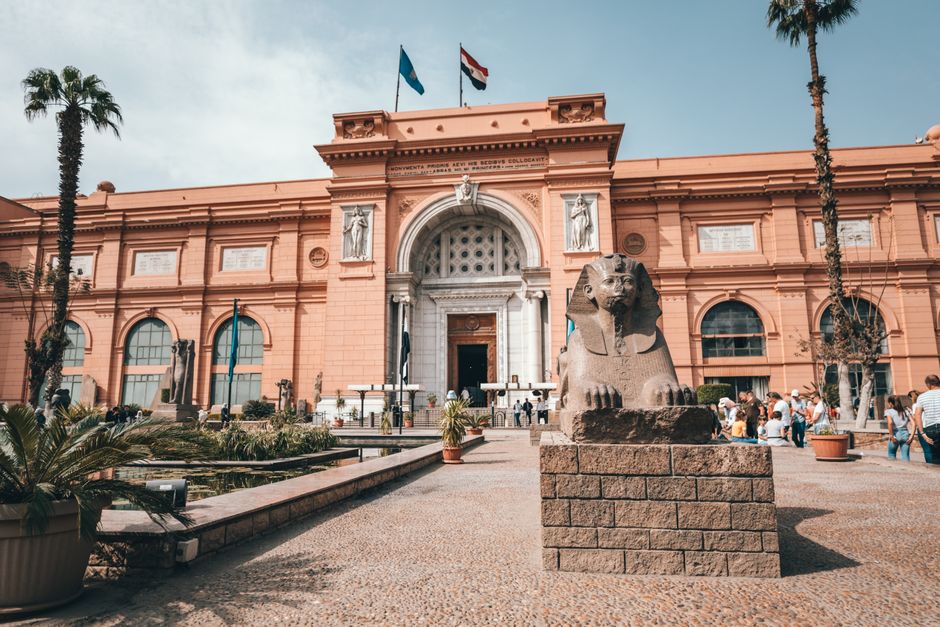
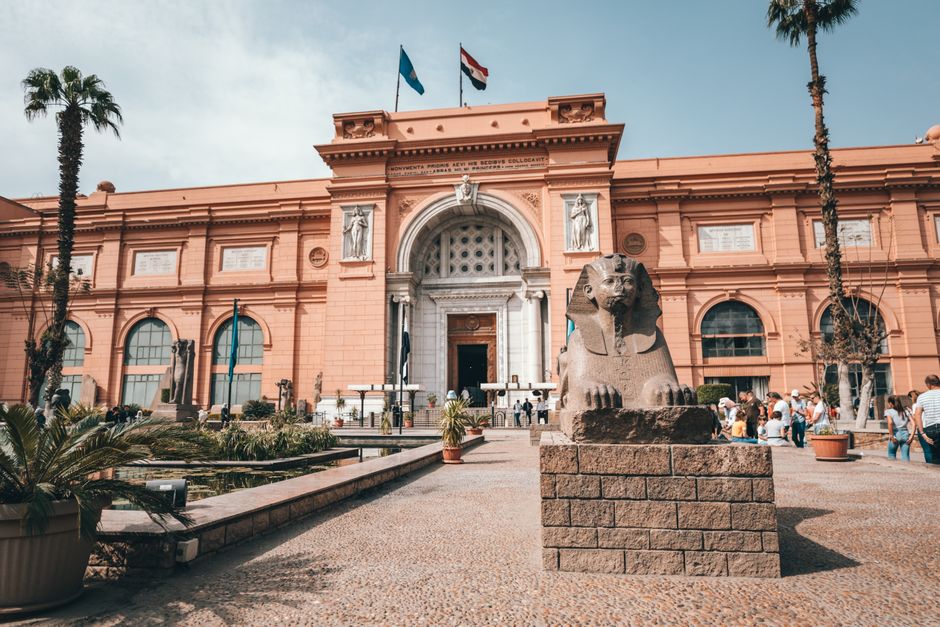
Start downtown with the renovated Egyptian Museum in Tahrir Square, still Egypt's most visited cultural institution. Expect crowds, especially mornings—arrive by 9 a.m. or consider afternoon visits after 3 p.m. Admission runs roughly 300 EGP (€10) for foreigners. The mummy rooms and New Kingdom galleries justify the chaos, though photography restrictions apply in certain sections.
For contemporary work, head to Zamalek, the upscale island neighbourhood that's become Cairo's gallery hub. The Townhouse Gallery on Champollion Street pioneers artist-led initiatives, while Darb 1718 in Islamic Cairo transforms a historic courtyard into a laboratory for experimental work. Both operate on limited hours—check ahead. Entry is typically free, though donations support emerging artists.
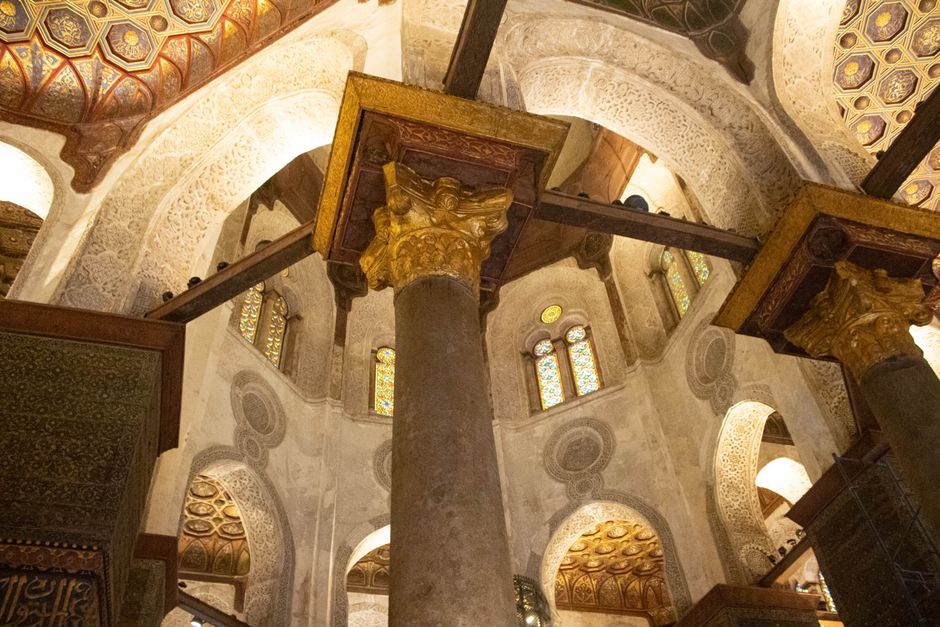
Islamic Cairo deserves a full day. Beyond the architectural marvels of mosques and madrasas, the Museum of Islamic Art near Bab al-Khalq houses one of the world's finest decorative arts collections. Its restoration, completed in 2021, modernised galleries while preserving intimate scale. Admission: 200 EGP. The adjacent Khan el-Khalili bazaar mingles commerce with craft—treat it as both market and open-air gallery.
Don't overlook the Coptic Museum in Old Cairo, where early Christian and Byzantine art offers historical counterpoint to Islamic galleries. Its collection of textiles and icons rewards slow looking. Few crowds venture here compared to major sites.
Practical essentials: Hire a driver for 200-300 EGP daily rather than navigating traffic alone. Many galleries keep irregular hours—confirm via Instagram or phone before visiting. Friday closures are standard; summer hours (June-August) often shift to early mornings to avoid heat. Respect photography policies strictly; violations risk confiscation.
Peak season (October-March) brings international curators and temporary exhibitions. June's off-season offers solitude but limited programming. Most galleries cluster within walkable distances in Zamalek or Islamic Cairo, though traffic unpredictability means allocating extra time between venues.
Bring cash—many independent galleries don't accept cards. Water is essential year-round; air-conditioned museum breaks provide relief during summer visits. Whether you spend a weekend sampling galleries or weeks exploring, Cairo's art world reflects Egypt's layered history and urgent contemporary conversations.
This article was compiled by AI and screened before publishing. See our editorial standards.