Cairo's Investment Boom Widens Cost-of-Living Gap
Foreign capital flows boost Egypt's economy, but rising prices squeeze household budgets across the capital.
Foreign capital flows boost Egypt's economy, but rising prices squeeze household budgets across the capital.
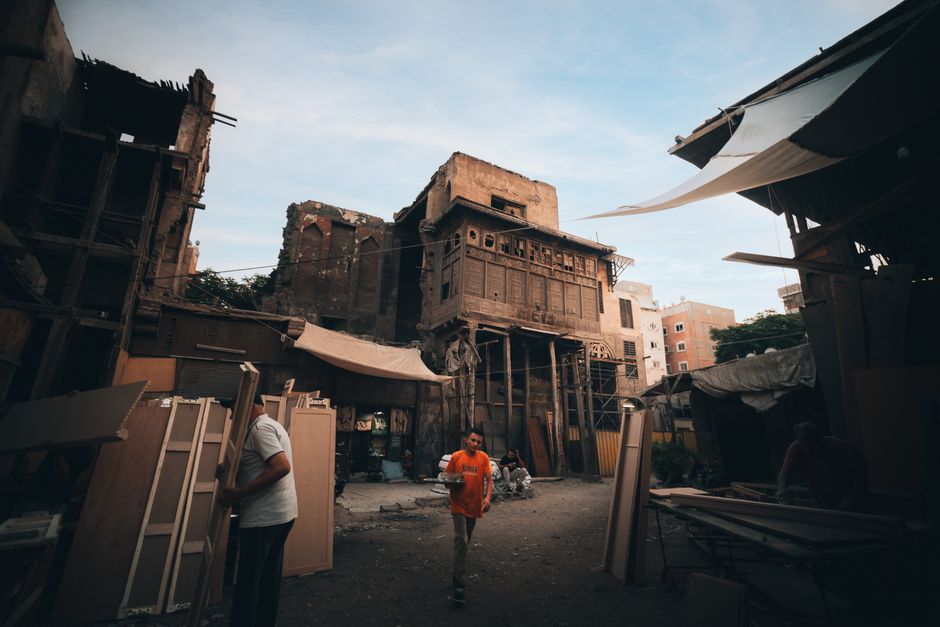
Walk through the gleaming office parks of New Cairo or the renovated commercial districts around Zamalek, and you'll witness the external signs of economic momentum. Yet a few kilometres away, in neighbourhoods like Helwan or Shubra, a different reality emerges—one where wages haven't kept pace with inflation, and the cost of essentials continues climbing.
This paradox defines Egypt's current economic moment. Foreign direct investment flows have rebounded sharply, reaching an estimated $9.2 billion in the first half of 2026, driven largely by infrastructure projects, telecommunications expansion, and real estate development. The Egyptian pound has stabilised against the dollar following earlier currency pressures, and the Central Bank of Egypt reports inflation cooling to approximately 24 percent year-on-year—significant progress from peaks above 38 percent two years ago.
For investors monitoring the Cairo Exchange or tracking sectoral performance, these indicators suggest mounting opportunity. Construction stocks have surged as major developments materialise across the New Administrative Capital and Sheikh Zayed City. Manufacturing indices show renewed confidence as businesses position themselves for regional trade agreements. Fund managers at offices throughout the Financial District in Downtown Cairo are actively restructuring portfolios to capture these shifts.
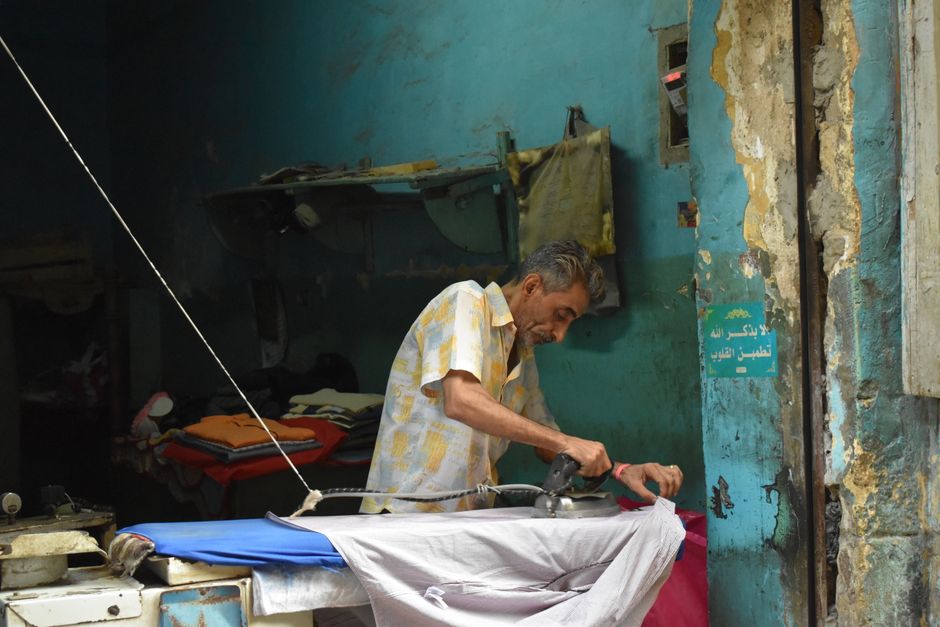
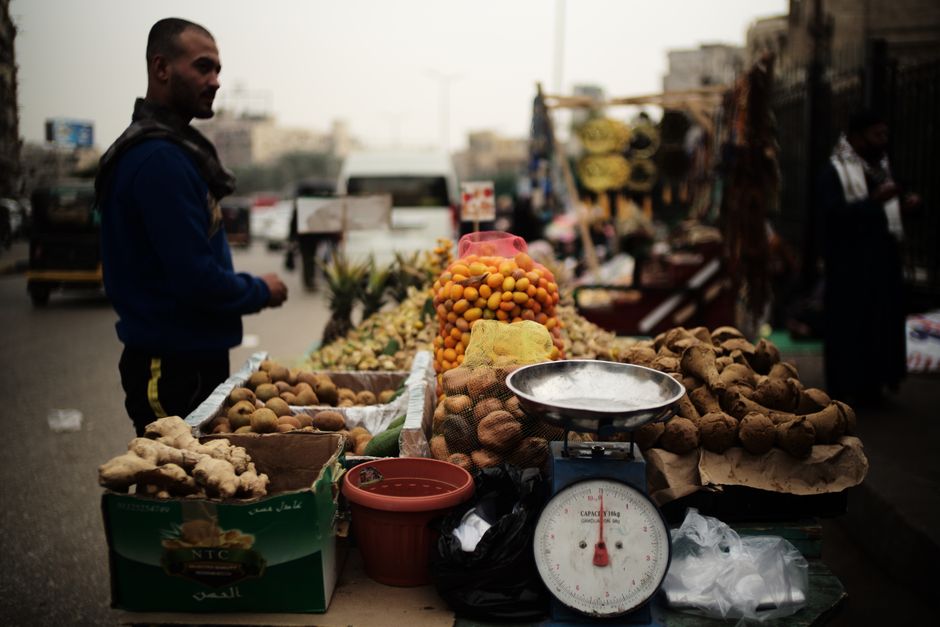
Yet investment flows and household experiences diverge sharply. A family renting in Ma'adi or Garden City faces rent increases averaging 15-20 percent annually. Groceries at supermarkets along Heliopolis's main thoroughfares cost markedly more than two years ago; chicken prices hover around 120-140 Egyptian pounds per kilogram, while quality vegetables have become luxury items for lower-income households. Public transportation costs have climbed incrementally, straining daily commutes for millions working in Downtown Cairo's offices or the industrial zones.
Economic analysts point to a crucial distinction: headline growth reflects capital inflows and large-scale project completion, while consumer price pressure stems from underlying structural issues—energy costs, import dependencies, and wage rigidity in formal employment sectors.
The disconnect matters for policymakers. Strong investment signals confidence in Egypt's long-term trajectory, particularly regarding Suez Canal revenues and regional geopolitical positioning. Yet without corresponding wage growth and employment diversification, rising investment may deepen inequality. Young professionals clustering in New Cairo's premium neighbourhoods increasingly diverge economically from peers in older residential areas.
Understanding these divergent indicators—robust capital inflows alongside persistent cost-of-living pressures—offers the clearest picture of Egypt's current economic terrain. Both trends are real. Both demand attention from investors, businesses, and government planners navigating Cairo's complex economic landscape.
This article was compiled by AI and screened before publishing. See our editorial standards.
How does this story make you feel?
Spread the word
About this article
Published by The Daily Cairo
Daily brief
Free, in your inbox before 7am. Weekdays.
More in Business