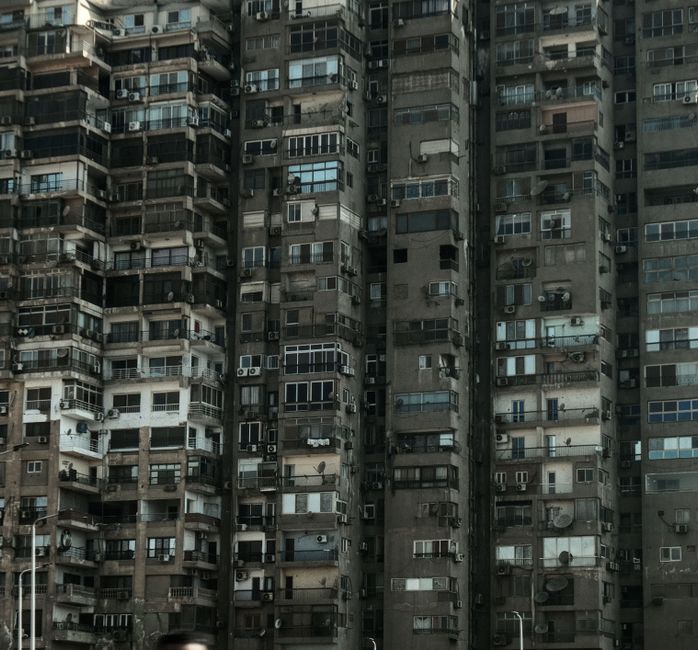
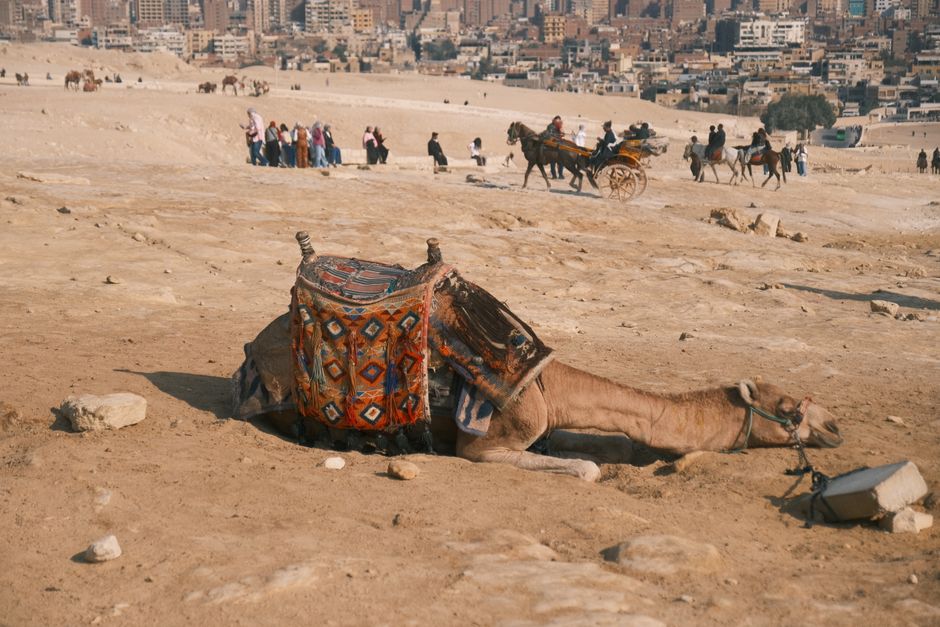
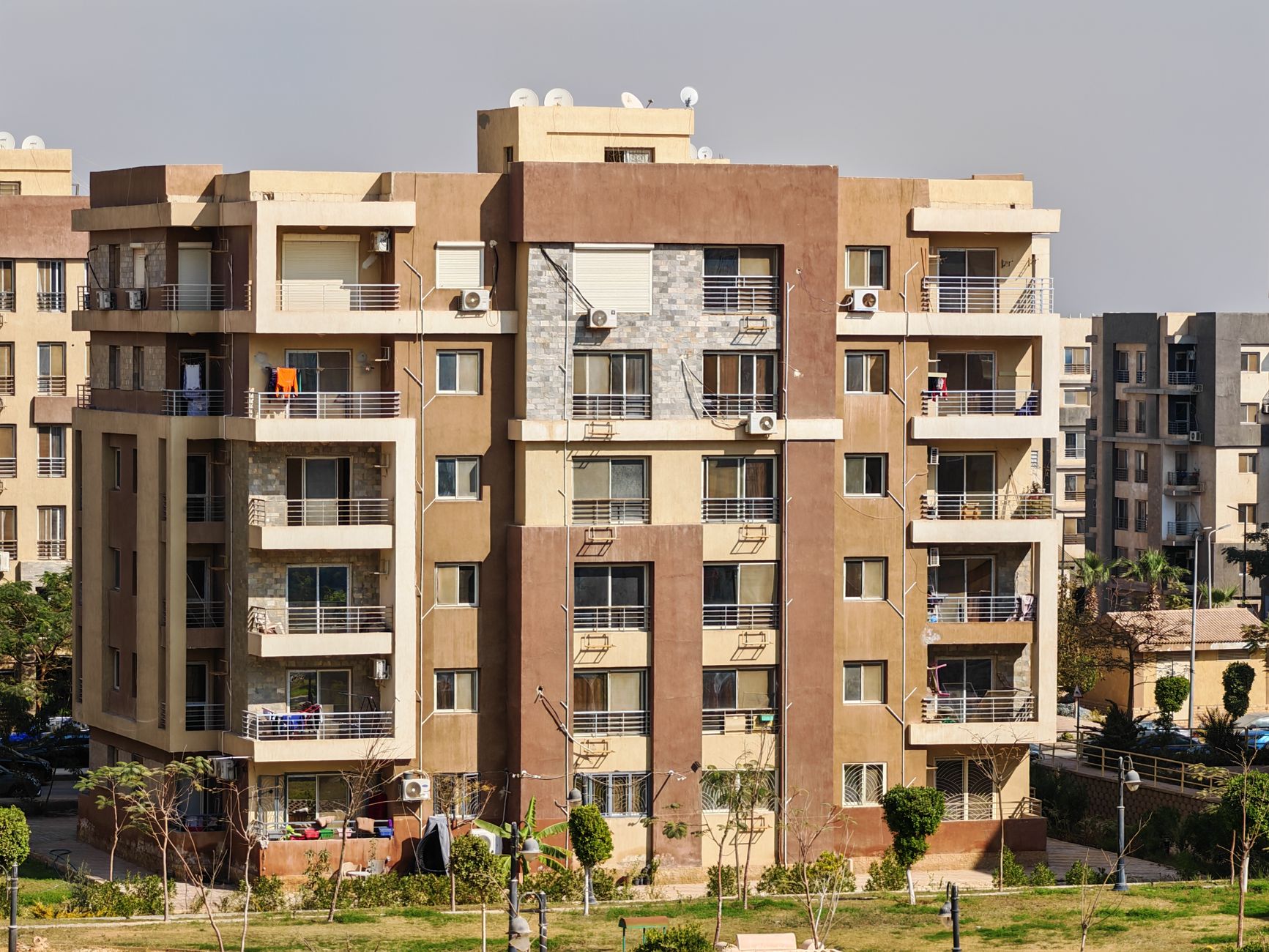
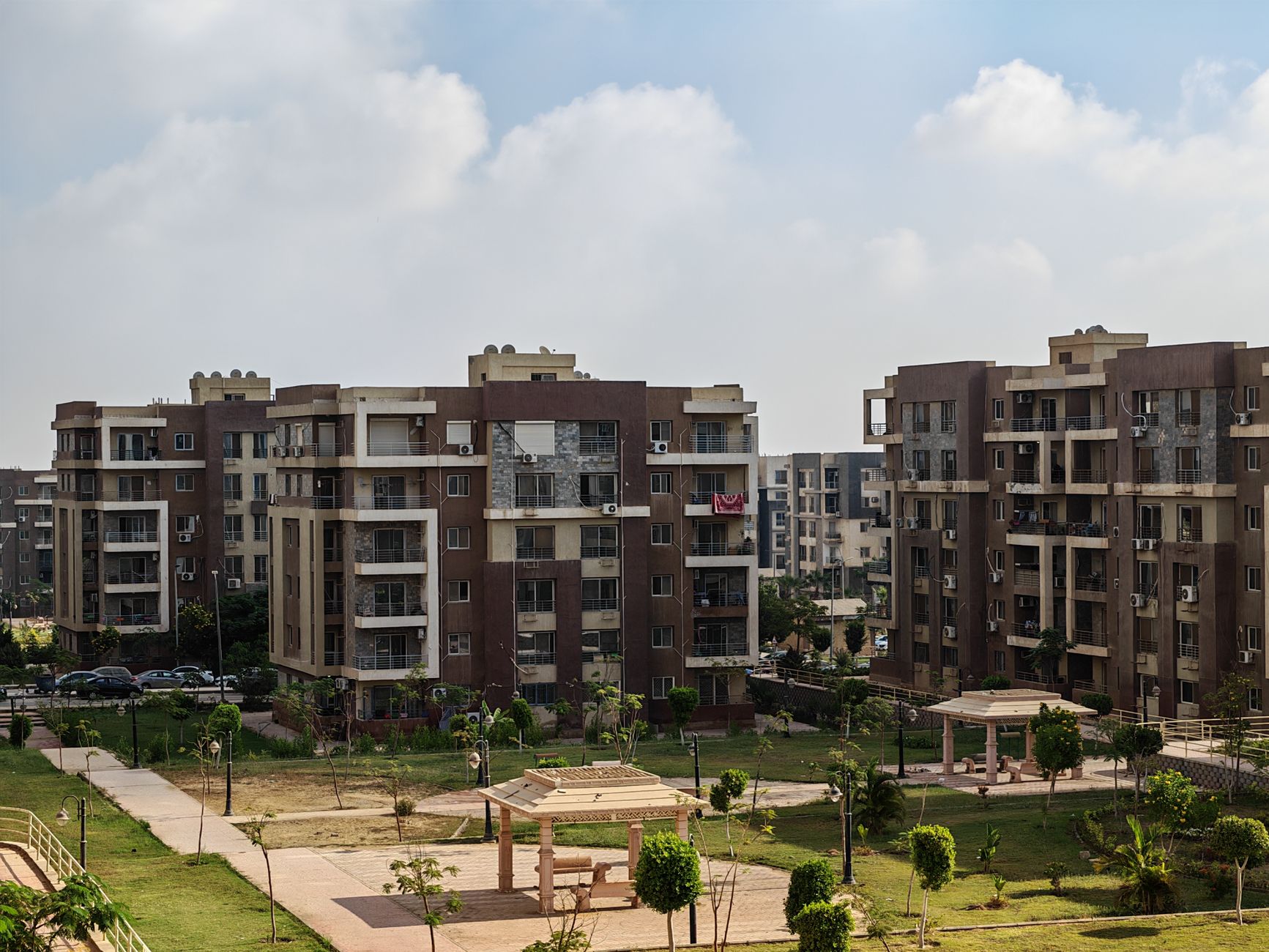
Cairo's property market is experiencing a subtle but significant shift as investors increasingly look beyond the traditional hotspots of Zamalek and Heliopolis, turning their attention to emerging suburbs positioned to benefit from Egypt's ambitious infrastructure expansion.
The New Administrative Capital project, while contentious, continues to reshape buyer sentiment across the Greater Cairo region. Data from local property analysts suggests that residential properties in established central districts like Garden City and Maadi—which have commanded premium prices for decades—are experiencing a slight cooling as savvy purchasers seek better value propositions in strategically located satellite areas.
Sheikh Zayed City has emerged as the quarter to watch. Properties in this relatively developed suburb are trading at approximately 18-22 percent below comparable units in Heliopolis, yet offer superior infrastructure, wider streets, and growing retail corridors. Mid-range apartments here are averaging 2.5 million EGP, compared to 3.8-4.2 million EGP just 15 kilometres east in established neighbourhoods. Developers are responding to demand: three major residential compounds launched in Sheikh Zayed during the past 18 months, with pre-launch prices now seeing 8-12 percent appreciation.
Meanwhile, the desert expanses between Cairo and the New Capital—particularly around 6th of October City and New Cairo's outer precincts—are witnessing speculative activity. Smart Money investors are banking on infrastructure corridors and government initiatives to unlock value. Property consultants report enquiry levels up 34 percent year-on-year in these transitional areas, despite current rental yields remaining modest at 3.5-4.2 percent annually.
First-time buyers face a different landscape entirely. The middle market—properties valued between 1.2-2 million EGP—is tightening considerably in prime locations. Zamalek's already-premium positioning has intensified, with riverside properties now commanding record prices. Conversely, emerging zones like New Heliopolis and 15th of May City continue offering genuine entry points for young professionals and families unwilling to stretch budgets to breaking point.
Market commentators suggest 2025-2026 will be pivotal. If infrastructure projects proceed as scheduled, suburban properties currently trading at apparent discounts could see substantial revaluation. However, economic headwinds—including inflation and shifting currency dynamics—mean cautious optimism remains the prevailing sentiment among property professionals.
The takeaway? Cairo's property narrative is fragmenting. Established prestige addresses retain lustre but increasingly feel overextended, while strategically positioned emerging suburbs offer genuine growth potential for patient investors with medium-term horizons.
This article was compiled by AI and screened before publishing. See our editorial standards.