finance
Cairo Dominates Egypt’s Job Market as White-Collar Demand Shifts
As demand for traditional white-collar jobs drops sharply, Cairo remains the epicenter of new employment opportunities, especially in AI-related roles and key sectors like finance and technology.
How we reported this
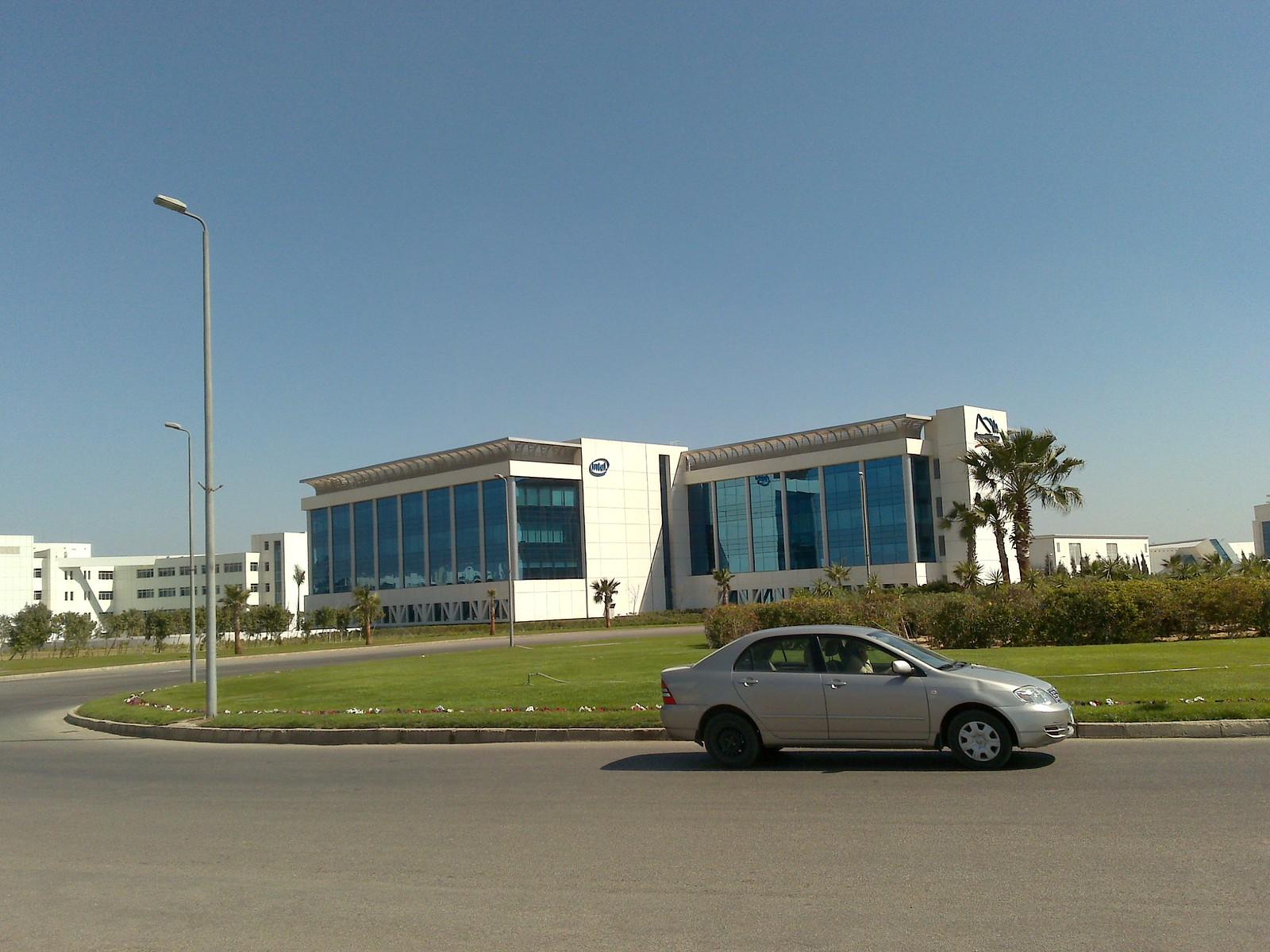
Cairo accounted for 65.5% of all advertised job vacancies in Egypt during the first quarter of 2026, according to recent data, with the Greater Cairo area comprising over 82% of white-collar opportunities nationwide. This concentration highlights the city’s role as the central hub for employment, particularly in sectors like Banking and Financial Services, Technology and Software, Pharmaceuticals, Fast-Moving Consumer Goods (FMCG), and BPO/Call Centers. Despite a slight uptick in urban unemployment to 9.8% in 2025, Cairo’s job market continues to offer significant openings for skilled workers.
The persistence of Cairo as the focal point for jobs across Egypt is especially notable against the backdrop of sectoral shifts. Egypt’s overall unemployment rate fell to 6.3% in 2025, but the city faces nuanced challenges as demand for traditional white-collar roles declined steeply by 20.6% in Q1 2026. Simultaneously, demand for artificial intelligence-related roles surged by 66%, signaling a reshaping of workplace priorities driven by technological adoption and digital transformation.
Concentration of Opportunities in Cairo’s Diverse Sectors
The myriad of job vacancies concentrated in Cairo mirrors the city’s multifaceted economy. Top hiring sectors in 2026 include the well-established Banking and Financial Services industry, which continues to recruit professionals in response to Egypt’s growing financial market. Technology and Software firms, buoyed by Cairo’s expanding tech ecosystem, are actively seeking employees with relevant IT and programming expertise. Pharmaceuticals and FMCG companies maintain robust hiring to meet increasing local and regional demand, while BPO and Call Center operations leverage Cairo’s large urban labour force.
Salary data further reflects this range of opportunities. Workers in Cairo earn an average monthly income of approximately 11,900 Egyptian Pounds (EGP), with wages spanning a broad spectrum from a minimum of 1,610 EGP to as high as 52,500 EGP. This large salary variance corresponds with the diversity of job types available, from entry-level call center positions to specialized roles in finance and technology.
What These Trends Mean for Job Seekers and the City
The shift in demand away from traditional white-collar roles toward AI-specific positions indicates a marketplace increasingly oriented towards innovation and emerging technologies. For Cairo’s workforce, this development spotlights the need for reskilling and embracing digital skills to capitalize on the growing number of AI job postings. Employers, meanwhile, must navigate the challenge of filling vacancies amid declining general white-collar interest while managing rising urban unemployment rates.
Looking ahead, prospective job seekers in Cairo should consider targeting sectors showing growth, particularly in tech and AI domains. Enhancing qualifications in these areas could improve employability, while established industries such as Banking and Pharmaceuticals continue to present viable career paths. The data suggests continued centrality of Cairo in Egypt’s labour market, reinforcing the city’s vital role in national employment strategies.
As hiring patterns evolve, stakeholders including education providers, policy planners, and companies will need to monitor these trends closely to align workforce development with shifting economic demands. The changing nature of job vacancies underscores Cairo’s position at the heart of Egypt’s labour market transformation, offering both challenges and opportunities for workers and employers alike.
This article is general information only and is not personal financial or investment advice. Consider your own circumstances and seek licensed professional advice before making financial decisions.