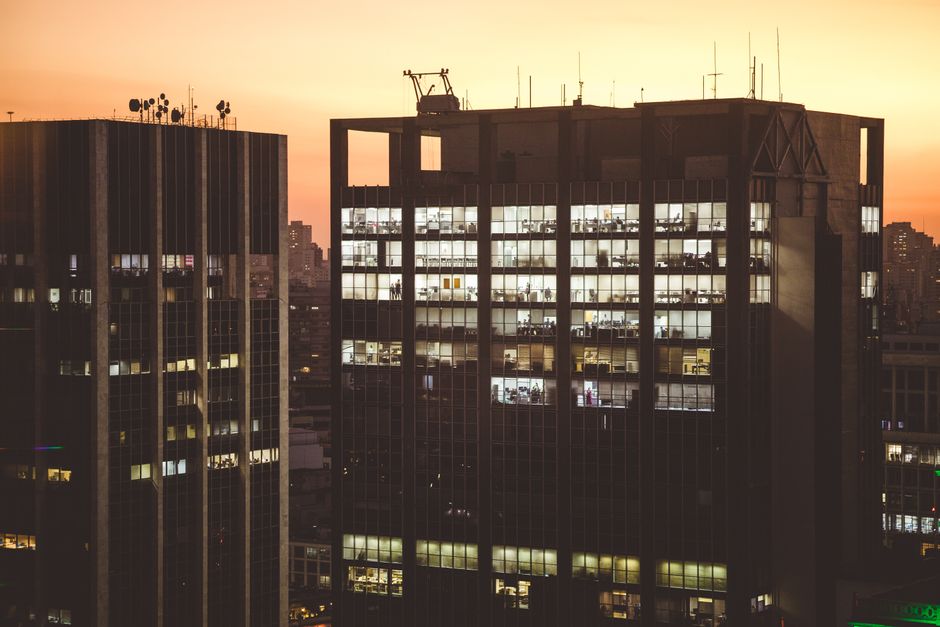
Cairo's Office Market Faces Its Toughest Year in a Decade
Rising vacancy rates, a weakened pound, and a glut of new supply are squeezing landlords and tenants alike across the capital's commercial districts.
Rising vacancy rates, a weakened pound, and a glut of new supply are squeezing landlords and tenants alike across the capital's commercial districts.
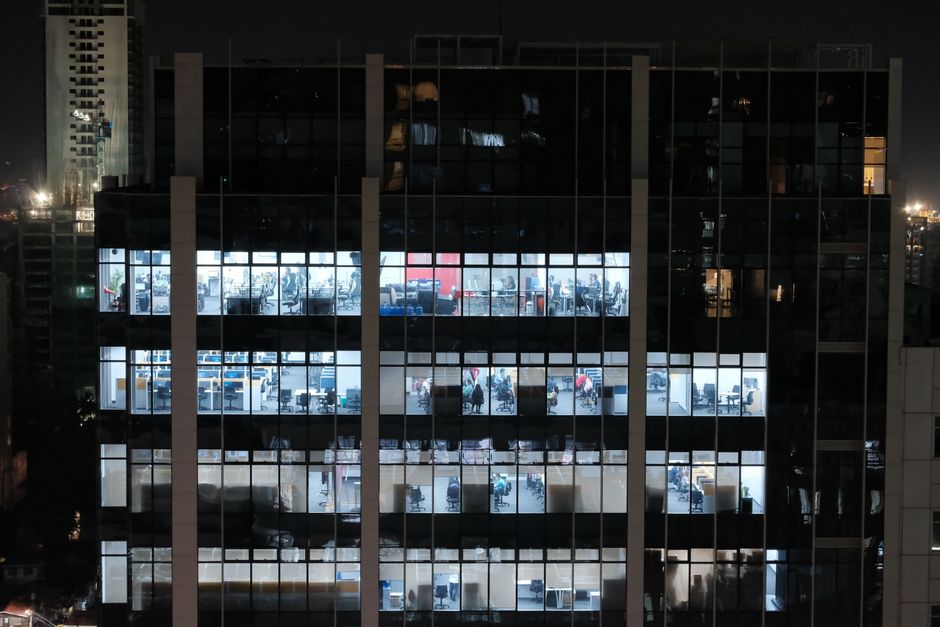
Cairo's commercial property sector entered the second half of 2026 carrying more dead weight than at any point since the post-revolution slump of 2012. Grade-A office vacancy rates in the New Cairo and Sheikh Zayed corridors have climbed past 28 percent, according to figures circulating among brokers active in those markets, as a combination of currency pressure, slowing foreign direct investment, and an oversupply of speculative development conspire to leave entire floors dark across some of the capital's newest towers.
The timing could not be worse. Egypt is midway through a three-year IMF program that has kept the pound under managed pressure, with the exchange rate hovering around 49 to the dollar after the successive devaluations of 2023 and 2024. For multinational tenants paying dollar-denominated rents — standard practice in premium Cairo towers — the arithmetic is brutal. For Egyptian companies earning in pounds and facing rents quoted in dollars, it is worse.
The Fifth Settlement, long marketed as Cairo's answer to Dubai's Business Bay, is where the pain is sharpest. Along the Teseen Street corridor, a stretch of roughly five kilometres that houses dozens of Class-A office buildings, asking rents have fallen from a peak of $28 per square metre per month in late 2024 to closer to $21 today, according to leasing agents working the area. Several buildings completed in 2025 have yet to secure anchor tenants. One tower near the American University in Cairo's New Cairo campus, which opened its doors in January 2026, remains less than 15 percent occupied six months later.
Downtown Cairo tells a different story, though not a more encouraging one. The historic business district around Talaat Harb Square and the older stock along the Corniche el-Nil has seen demand from small and medium enterprises, who are priced out of New Cairo and unwilling to commit to long leases in an uncertain environment. But those buildings carry their own problems: ageing infrastructure, inconsistent power supply, and limited parking. Maadi, which houses a concentration of embassies and NGO offices along Road 9 and the Corniche, has held up better than most sub-markets, but even there, renewal negotiations are stretching longer as tenants push for rent freezes or shorter lease terms.
The core difficulty is that much of the current oversupply was approved and financed before 2022, when Egypt's growth outlook was considerably rosier. The New Administrative Capital, the government's flagship urban project roughly 45 kilometres east of central Cairo, has added another variable. Several ministries and state-owned enterprises relocated to the capital's new government district last year, pulling anchor tenants from established Cairo business addresses and softening demand in districts that had been stable for years.
JLL's Egypt office published data in March 2026 showing that roughly 450,000 square metres of new office space was scheduled for delivery across Greater Cairo by the end of this year. Even in a healthy demand environment, absorbing that volume would take three to four years. In the current climate, brokers privately say five years is more realistic.
The interest rate environment compounds the pressure on developers. The Central Bank of Egypt held its overnight lending rate at 27.25 percent through the first half of 2026, keeping construction finance expensive and pushing some smaller developers toward distressed sales or joint-venture arrangements to service debt. At least two projects in the Heliopolis and Nasr City areas have been quietly restructured since January.
Tenants with leases expiring before the end of 2026 are in the strongest negotiating position they have occupied in years. Landlords willing to offer rent-free fit-out periods of three to six months, or to absorb moving costs, are filling space faster than those holding firm on headline rates. Developers with mixed-use projects — combining office with retail or serviced apartments — are proving more resilient, as the diversified income stream gives them room to discount office components without destroying overall project returns. The market correction, painful as it is, may ultimately force a quality reckoning that Cairo's commercial property sector has long needed.
How does this story make you feel?
Spread the word
About this article
Published by The Daily Cairo
Daily brief
Free, in your inbox before 7am. Weekdays.
More in Business